
Zhengzhou
Yellow River Scenic Area, Zhengzhou
- From Zhengzhou
- About 40 minutes by road from the city centre
- Allow
- Half a day
- Best season
- April–October
From the official website
In the scenic area's own words
Transcribed from the operator's official site, with the date we read it. Independent of the guide above, which is our own writing.
Zhengzhou Yellow River Culture Park is a national scenic area, a national geological park, a national 4A-level tourist area and a national water conservancy scenic area. It stands on the bank of the Yellow River twenty kilometres northwest of Zhengzhou, backed by Yue Mountain and facing the river. This is where the river's 'hanging' section begins, where the Loess Plateau ends and where its middle and lower courses divide — a stretch whose shifting, dangerous, sweeping, broad character gives the park its landscape.
- Location
- On the Yellow River 20 km northwest of Zhengzhou; Yue Mountain to the south, the river to the north
- Geography
- Start of the river's hanging section, end of the Loess Plateau, and the boundary between its middle and lower courses
- Designations
- National scenic area; Zhengzhou Yellow River national geological park; national 4A tourist area; national water conservancy scenic area
- Open area
- More than 20 km² currently open
- Open sections
- Wulong Peak; Yueshan Temple; Dayu Mountain; the Yan-Huang emperors statue; Xinghai Lake
- Points of interest
- More than forty, including the Yan-Huang statue, the Nursing Mother statue, the Hundred Historical Figures sculptures, the Yellow River stele forest, the first railway bridge over the river, the Mao Zedong inspection site, Futian Pavilion and Jimu Pavilion
- Hours and tickets
- Open 7:30–18:00; full ticket ¥48, half price ¥24
What to see
The Yan-Huang emperors statue
The park's defining sight, forming the Yan-Huang area together with its plaza and memorial altar.
The Nursing Mother statue
In the Wulong Peak section — one of the park's long-standing emblematic sculptures.
Yellow River stele forest
One of the forty-odd points of interest, alongside the sculptures of a hundred historical figures.
The first bridge over the Yellow River
One of the park's modern engineering relics.
Wulong Peak and Xinghai Lake
Two of the five open sections, both climbed for the view over the river.
Photographs
These photographs are openly licensed for commercial use (from Wikimedia Commons: CC0, CC BY, CC BY-SA or public domain) and are not the attraction's own gallery. Each photo is credited below with its author and licence, linked to the original file.
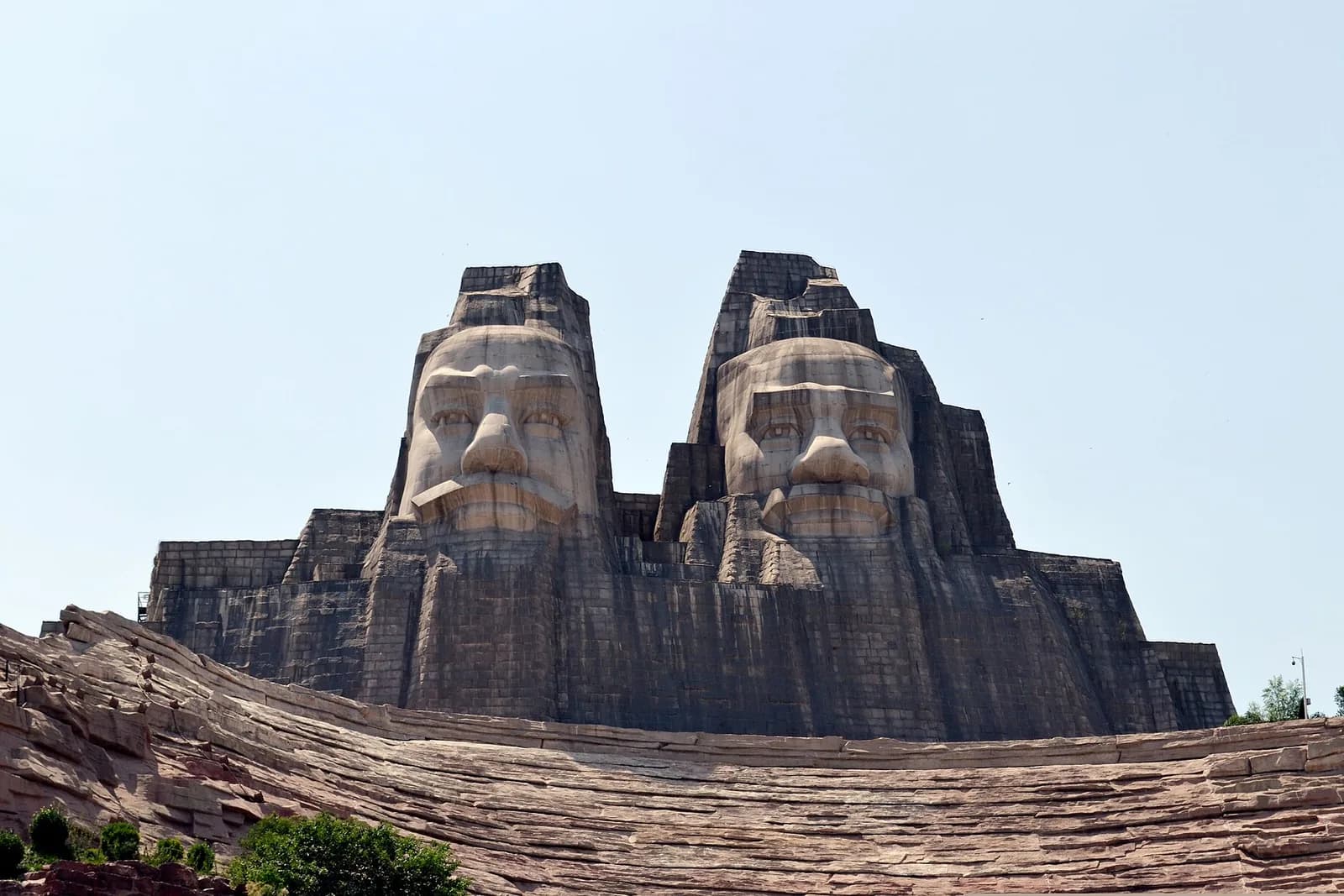
The giant statue of Emperors Yan and Huang
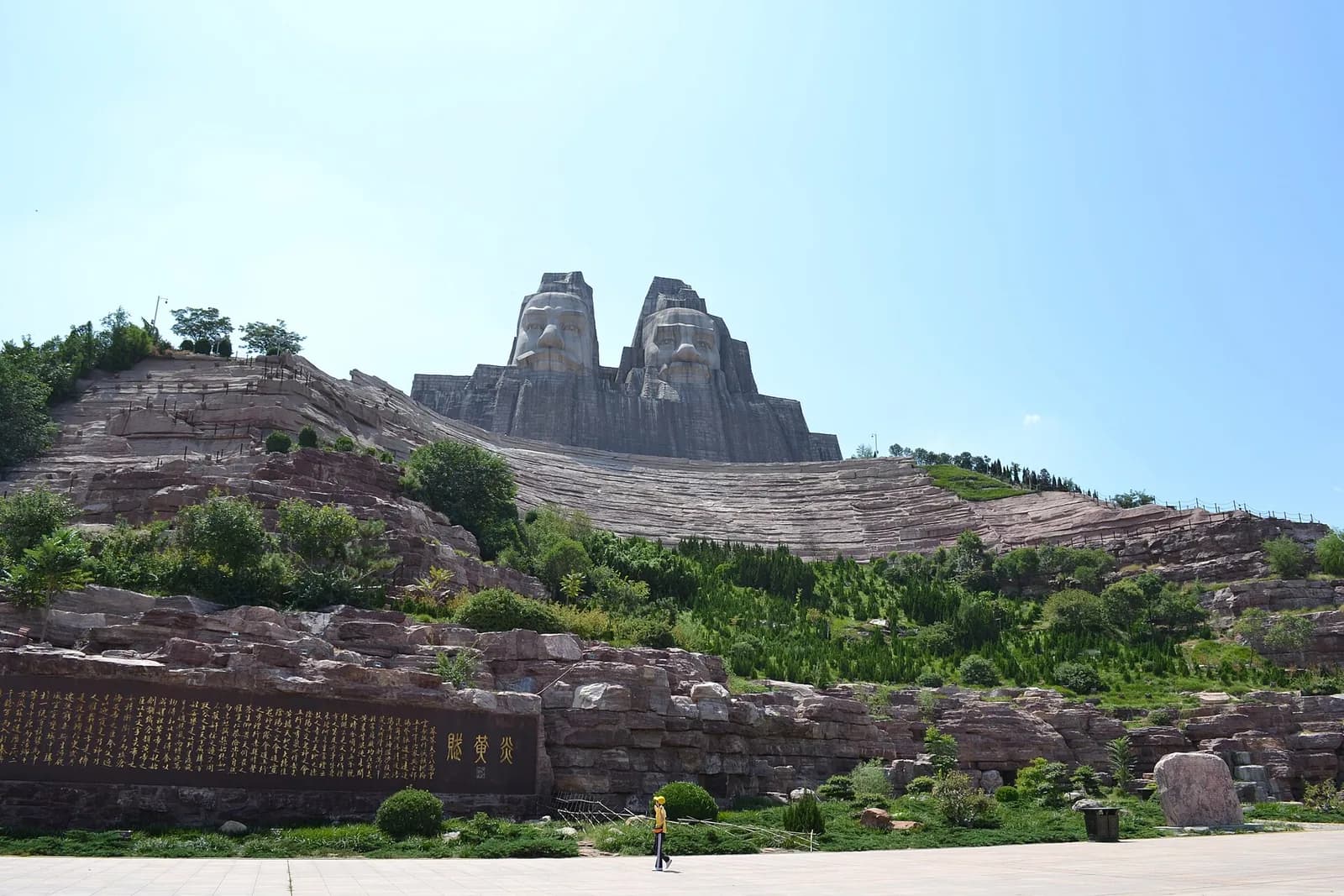
The Yan-Huang statue from a distance
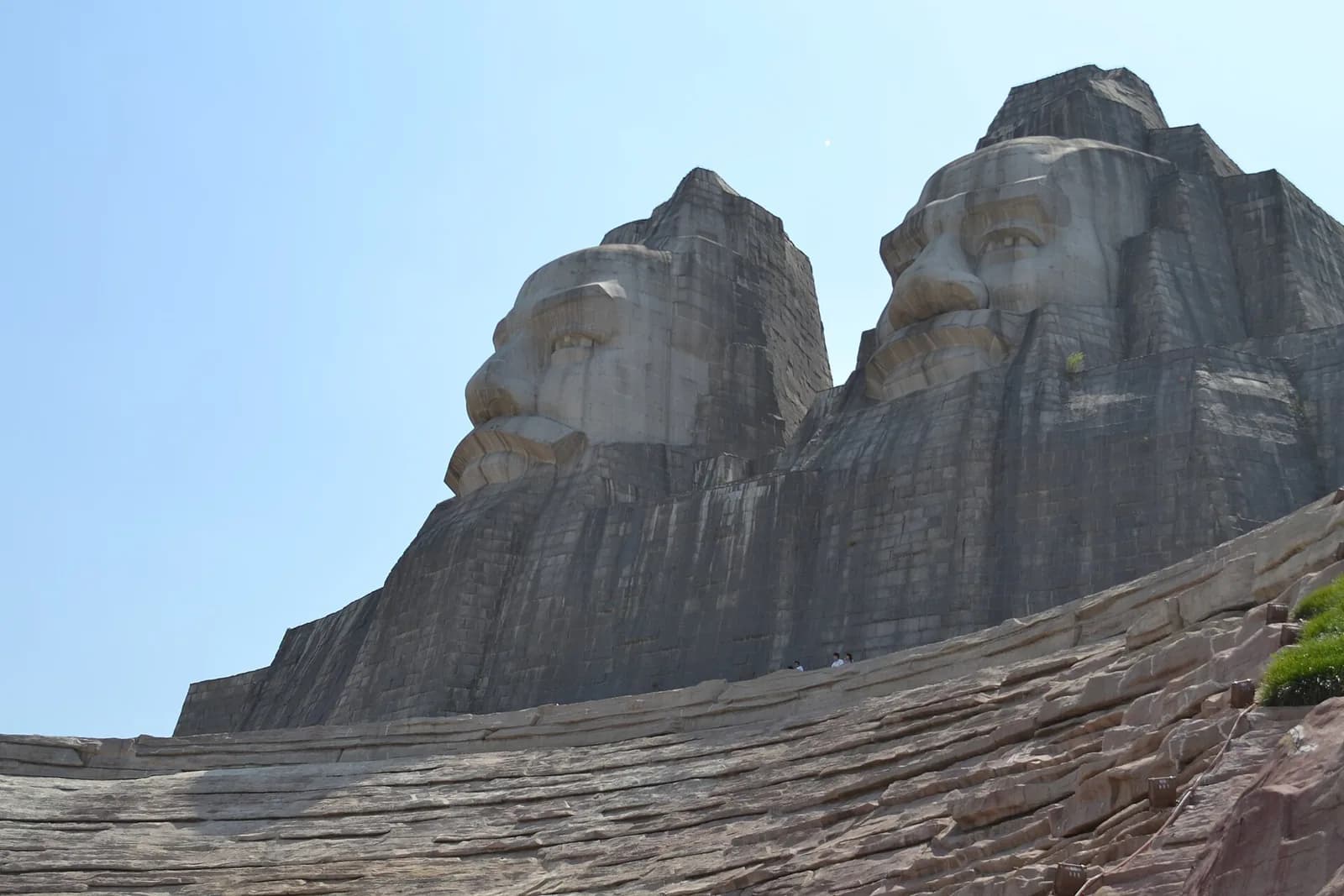
The statue from the side
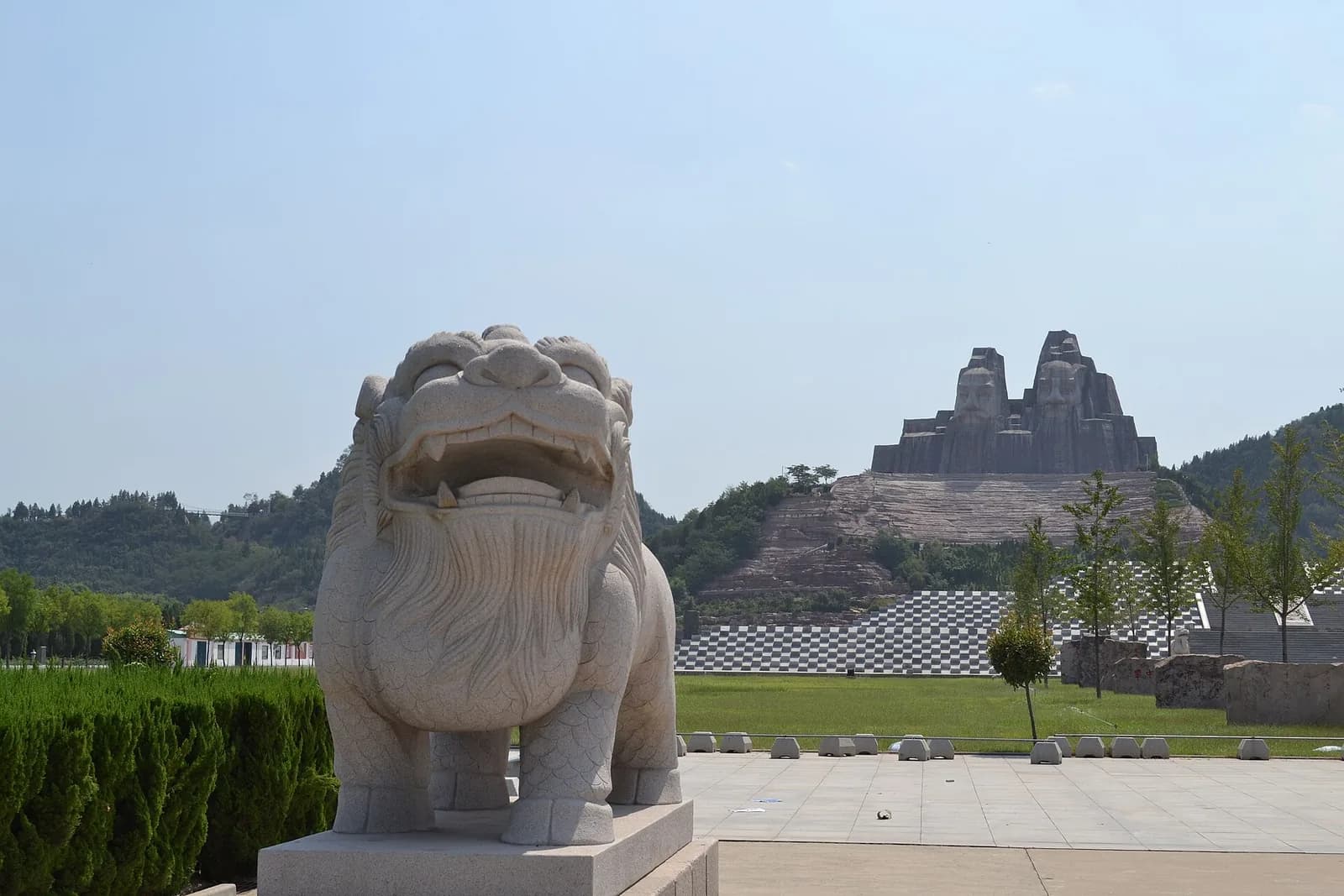
The north side, with a stone guardian
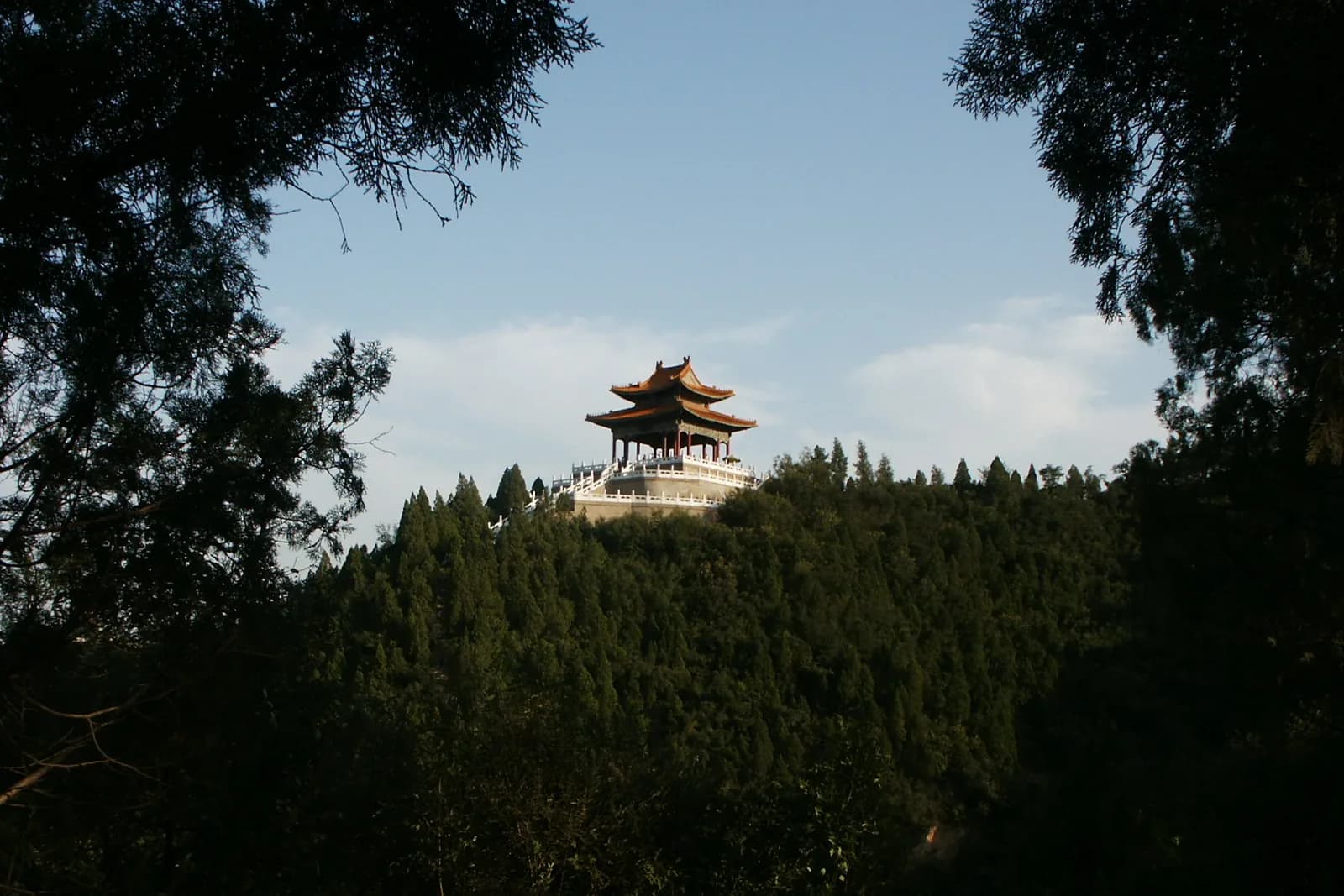
The hill and its pavilion
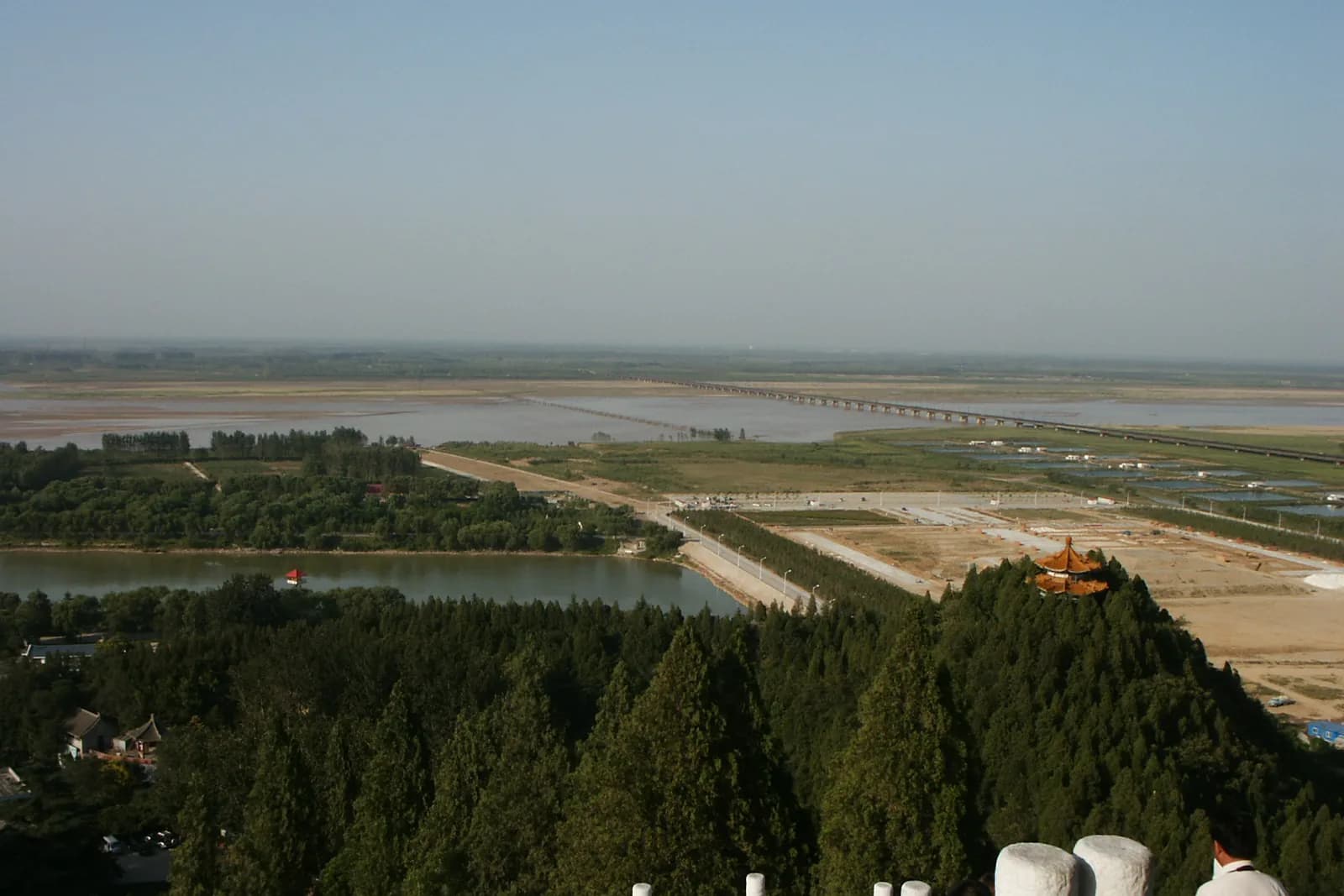
The Yellow River seen from the hills
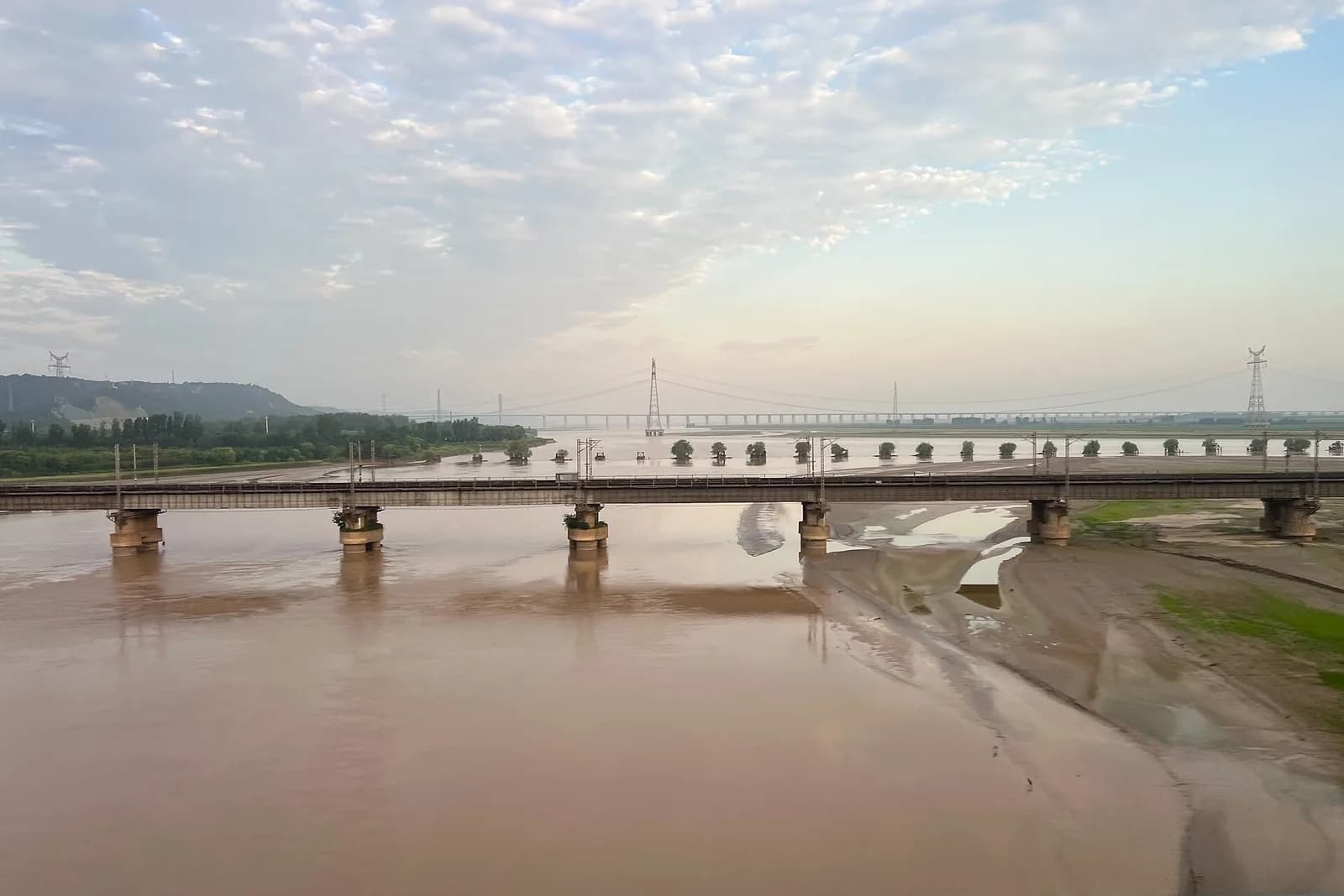
The Yellow River and its bridge at dawn
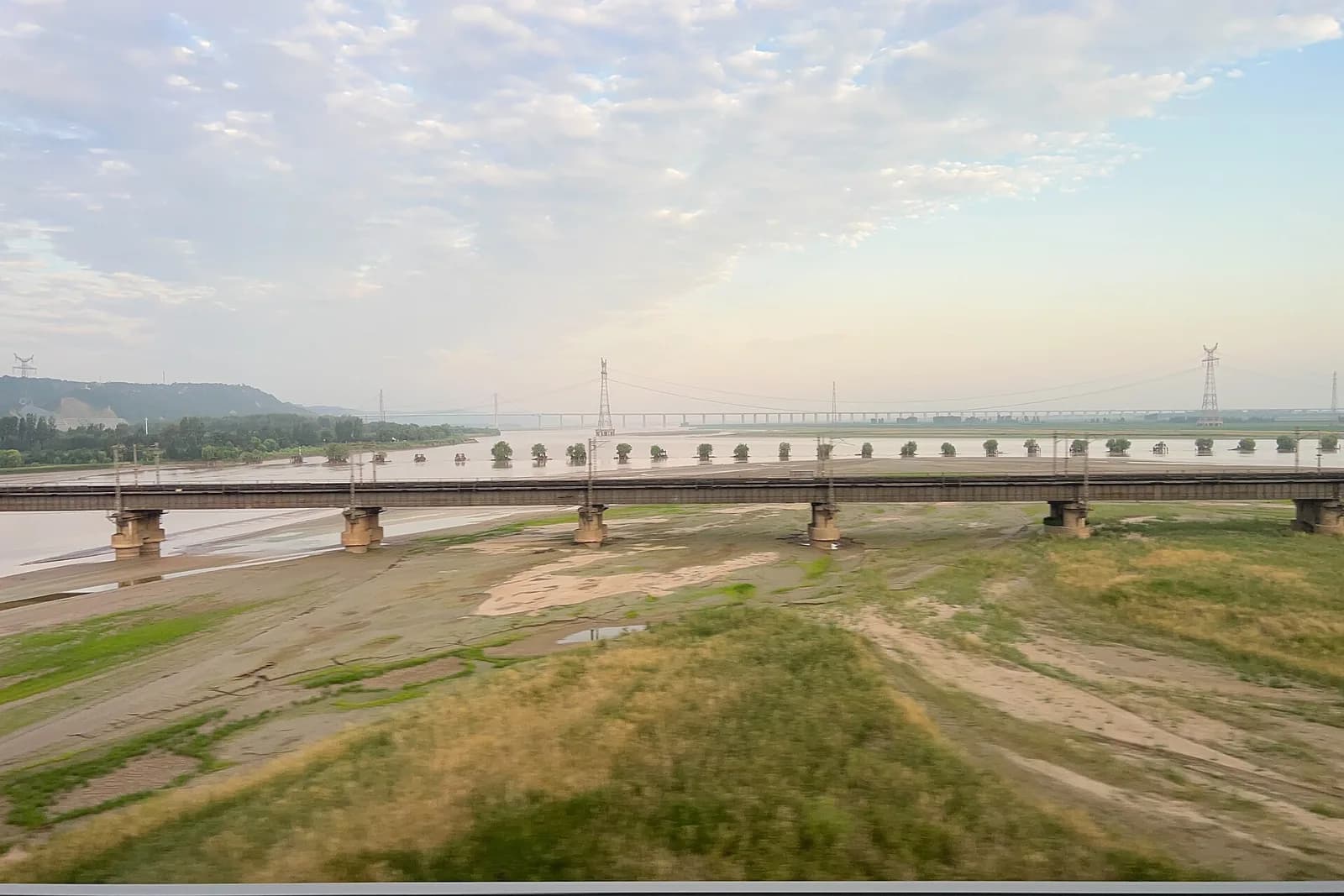
The riverbed and the bridge
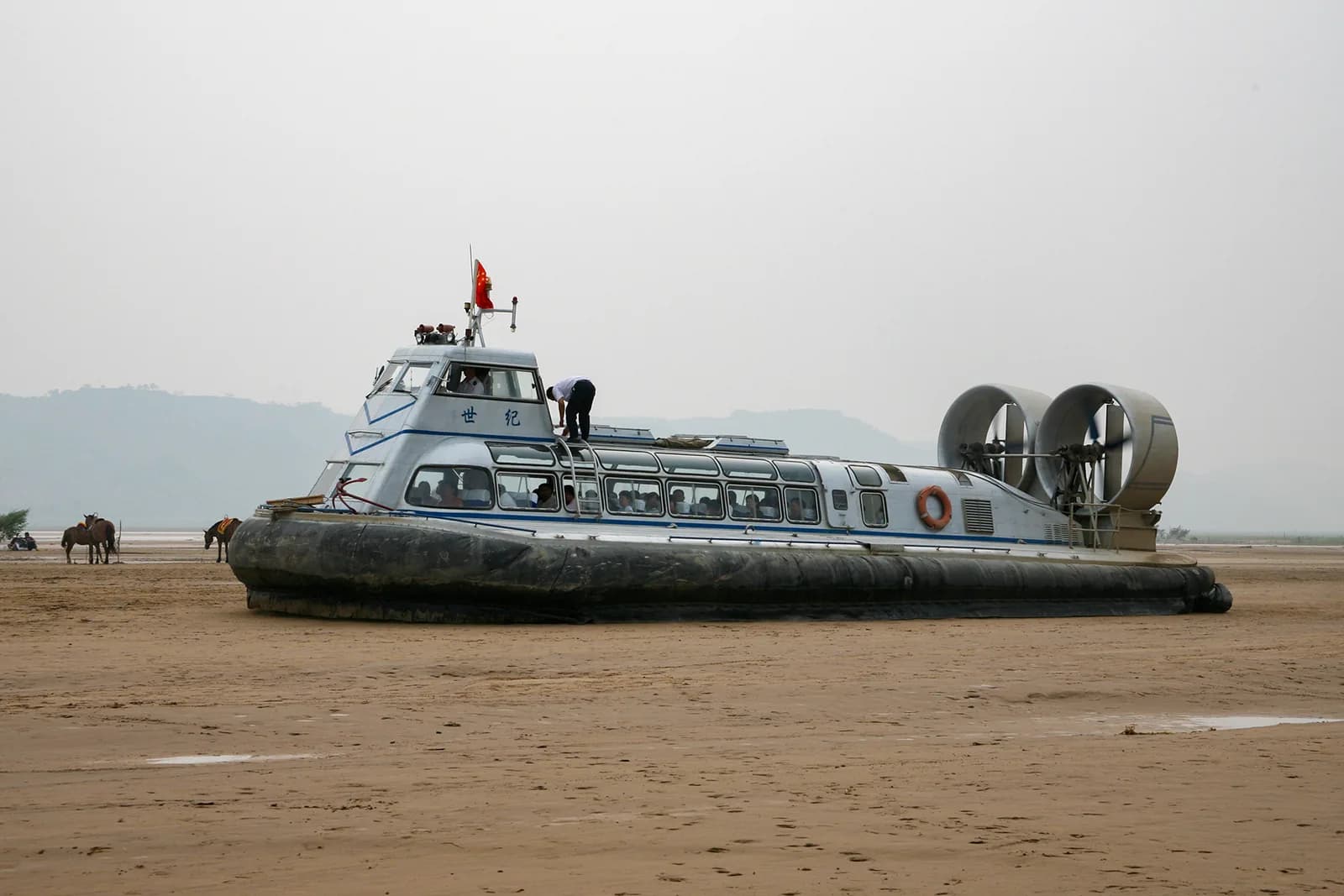
A sightseeing hovercraft on the Yellow River
On the Yellow River north-west of Zhengzhou, at the boundary between its middle and lower reaches. The Yan-Huang emperors sculpture is the centrepiece, and Wulong Peak gives a view over the channel. Its chief practical value is proximity: half a day from the city, which makes it a good light option for arrival day or the day after a checkup.
What to see
- The Yan-Huang sculpture, a large carved monument set into the hillside and the site's landmark.
- Wulong Peak, the high point, looking over the river and both banks.
- The middle/lower reach boundary marker — the clearest place to see why the Yellow River is called a river above the land.
- Hovercraft trips in some seasons; operation depends on the day, so check on site.
Practical notes
Mostly vehicle time with short walks, so the physical demand is low — suitable after a checkup or during post-operative recovery. The banks are exposed with little shade in summer. The river carries a great deal of silt; it does not look like a southern Chinese river, and expecting clear water will disappoint.