
Zhengzhou
Henan Museum
- From Zhengzhou
- In the city, 20–30 minutes by taxi
- Allow
- Half a day
- Best season
- Year-round; a good wet-weather or rest-day option
From the official website
In the scenic area's own words
Transcribed from the operator's official site, with the date we read it. Independent of the guide above, which is our own writing.
Founded in 1927, the Henan Museum is among China's earlier museums and the largest centre in the central plain for collecting, conserving, researching and displaying cultural relics. It stands on Nongye Road in Zhengzhou, occupies 126 mu and has 55,000 m² of floor space. It was among the first group of centrally and locally co-built national museums in 2009. The permanent exhibition runs alongside themed galleries on Ming and Qing Henan, ancient stone carving, Chu bronzes, Ming and Qing treasures and Henan's revolutionary history, plus a national-treasures gallery, an education hall and an ancient music hall.
- Founded
- 1927
- Collection
- 249,000 items
- Site area
- 126 mu
- Floor area
- 55,000 m²
- National museum status
- First centrally co-built group, 2009
What to see
Permanent exhibition
A chronological account of central-plain civilisation — the most concentrated introduction to why this region mattered.
Collection strengths
Strongest in prehistoric material, Shang and Zhou bronzes, ceramics of successive dynasties, jade and stone carving. The museum describes its finest holdings as numerous, wide-ranging and of high quality.
Ancient music hall
Performances on reconstructions of excavated instruments; separately ticketed with limited sessions.
Photographs
These photographs are openly licensed for commercial use (from Wikimedia Commons: CC0, CC BY, CC BY-SA or public domain) and are not the attraction's own gallery. Each photo is credited below with its author and licence, linked to the original file.
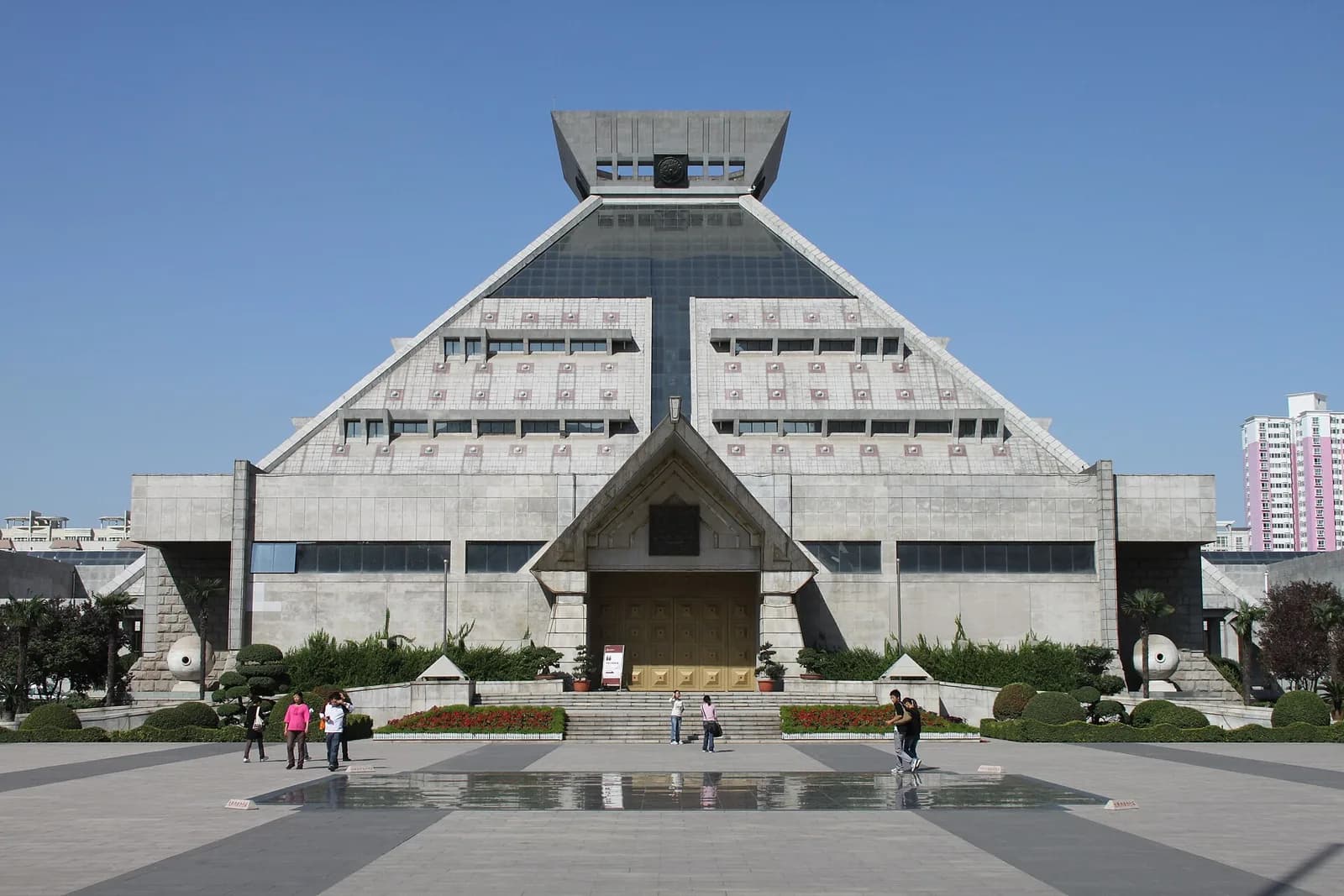
The main building of Henan Museum
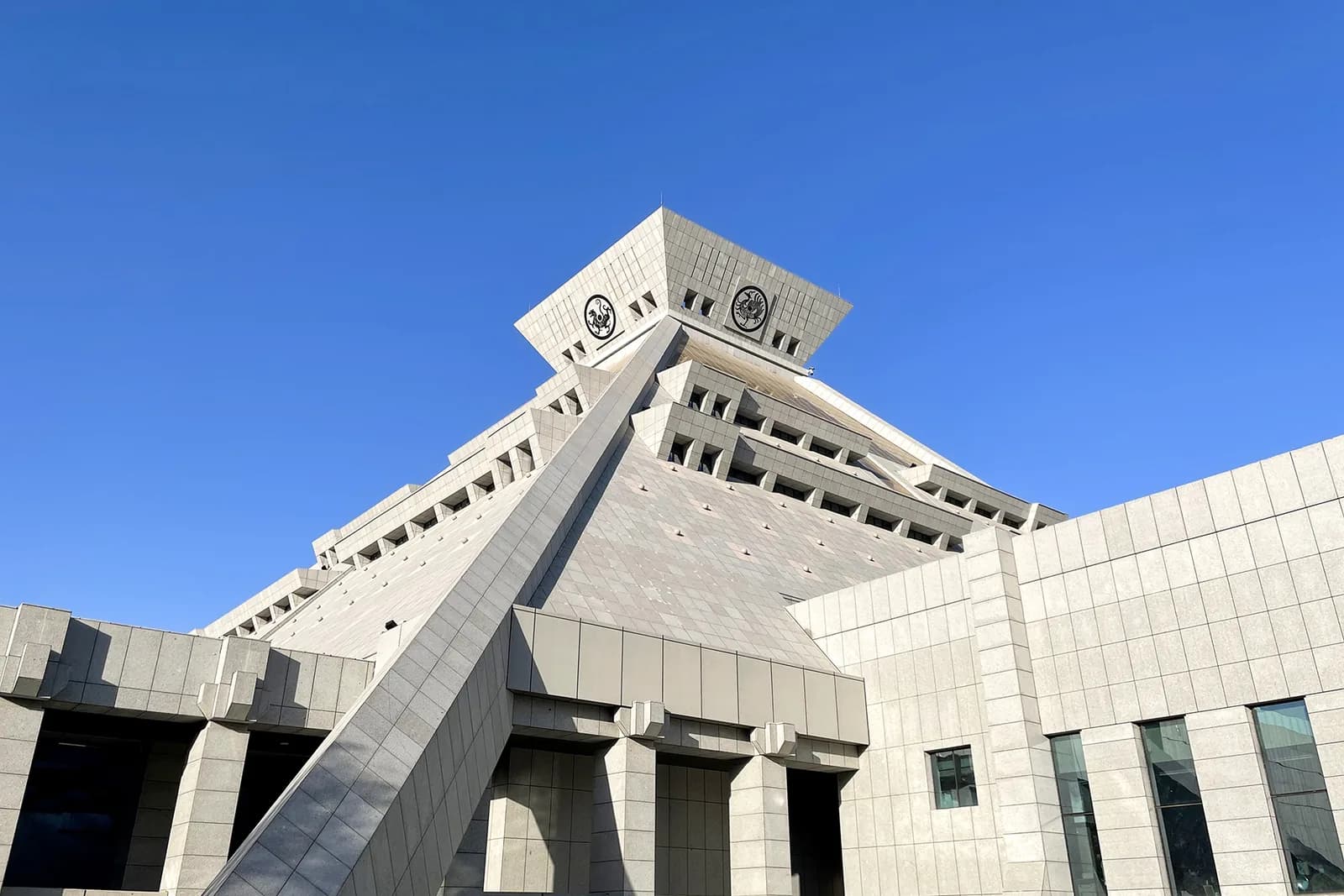
The main hall up close
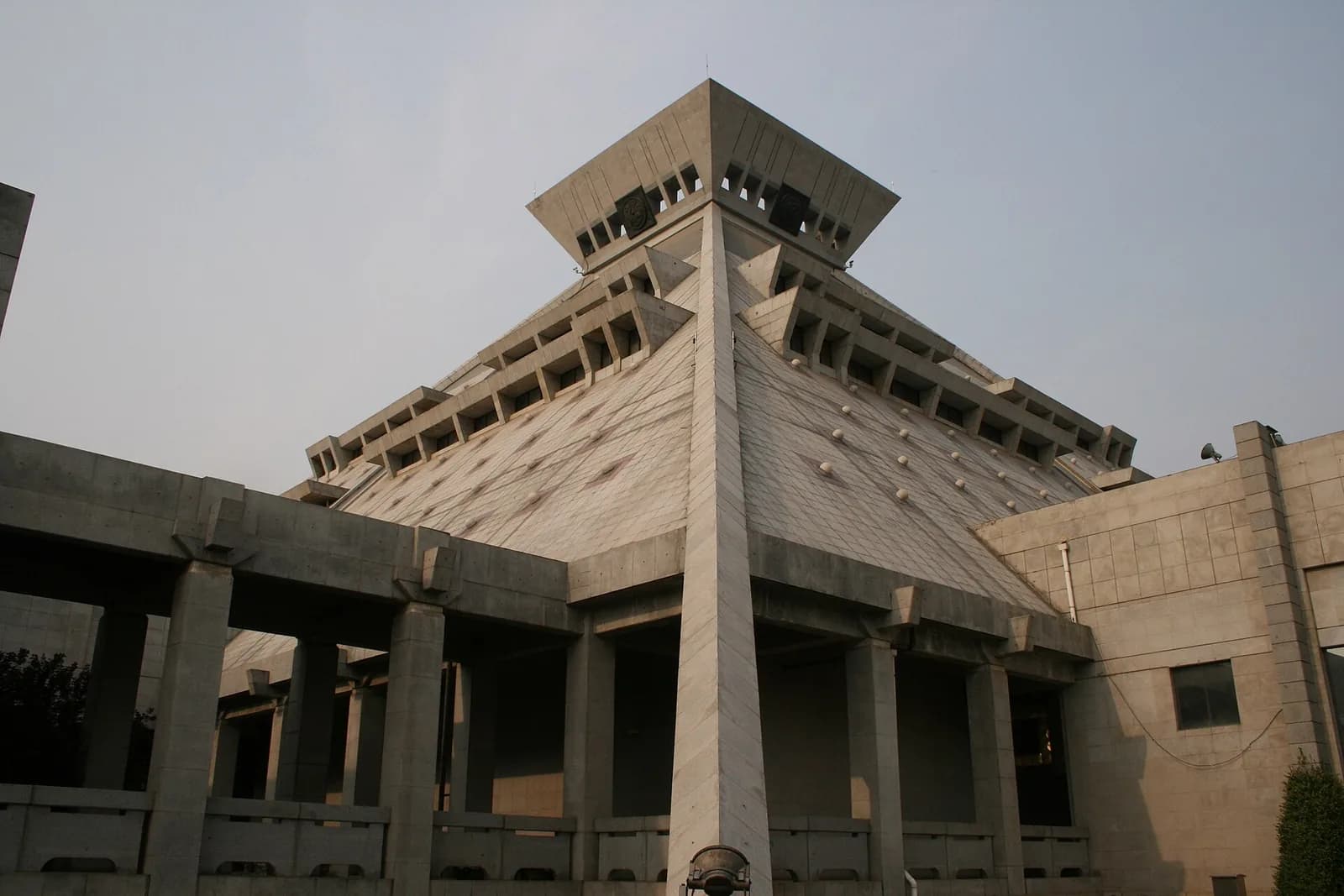
The main building from the corner
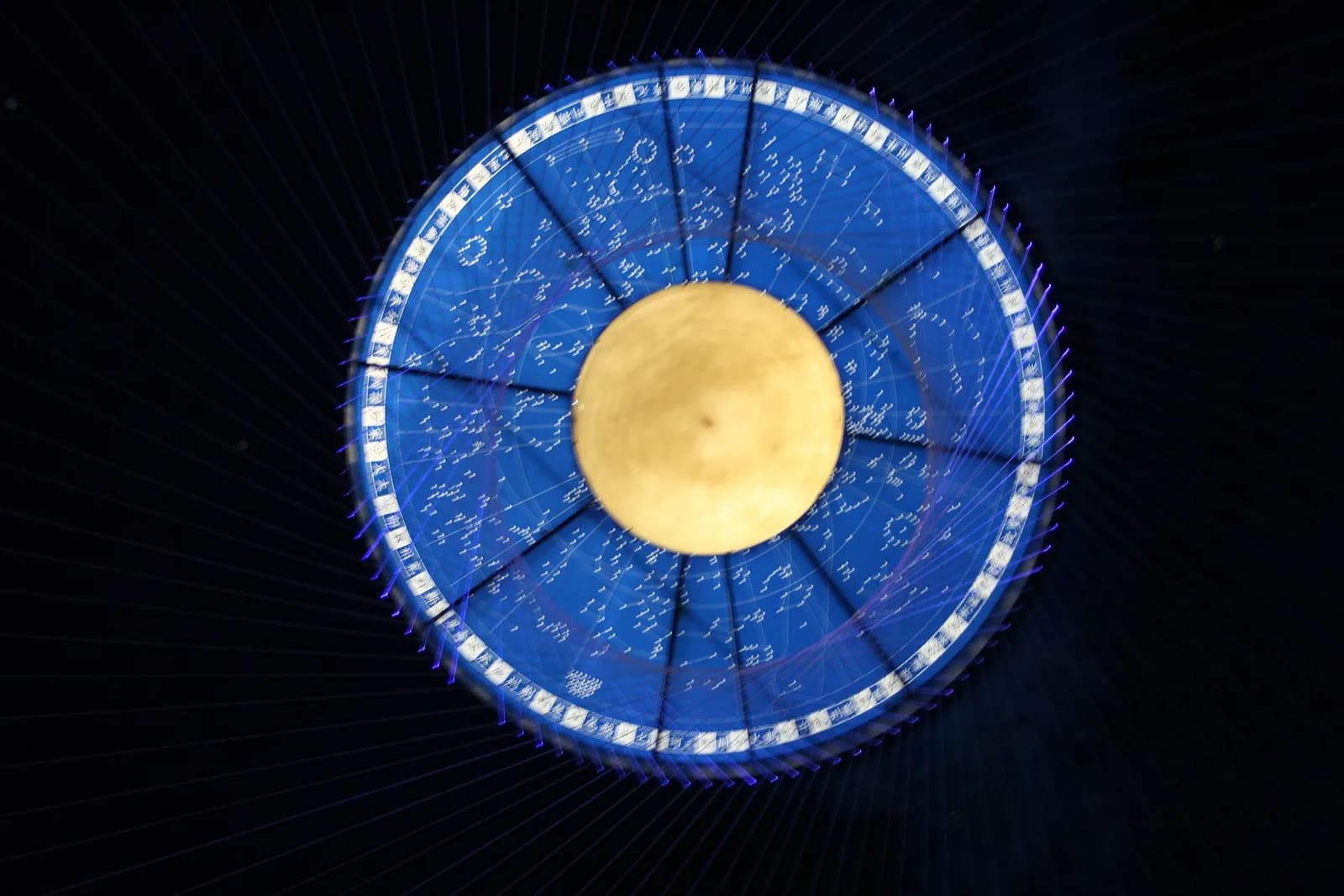
The main hall ceiling
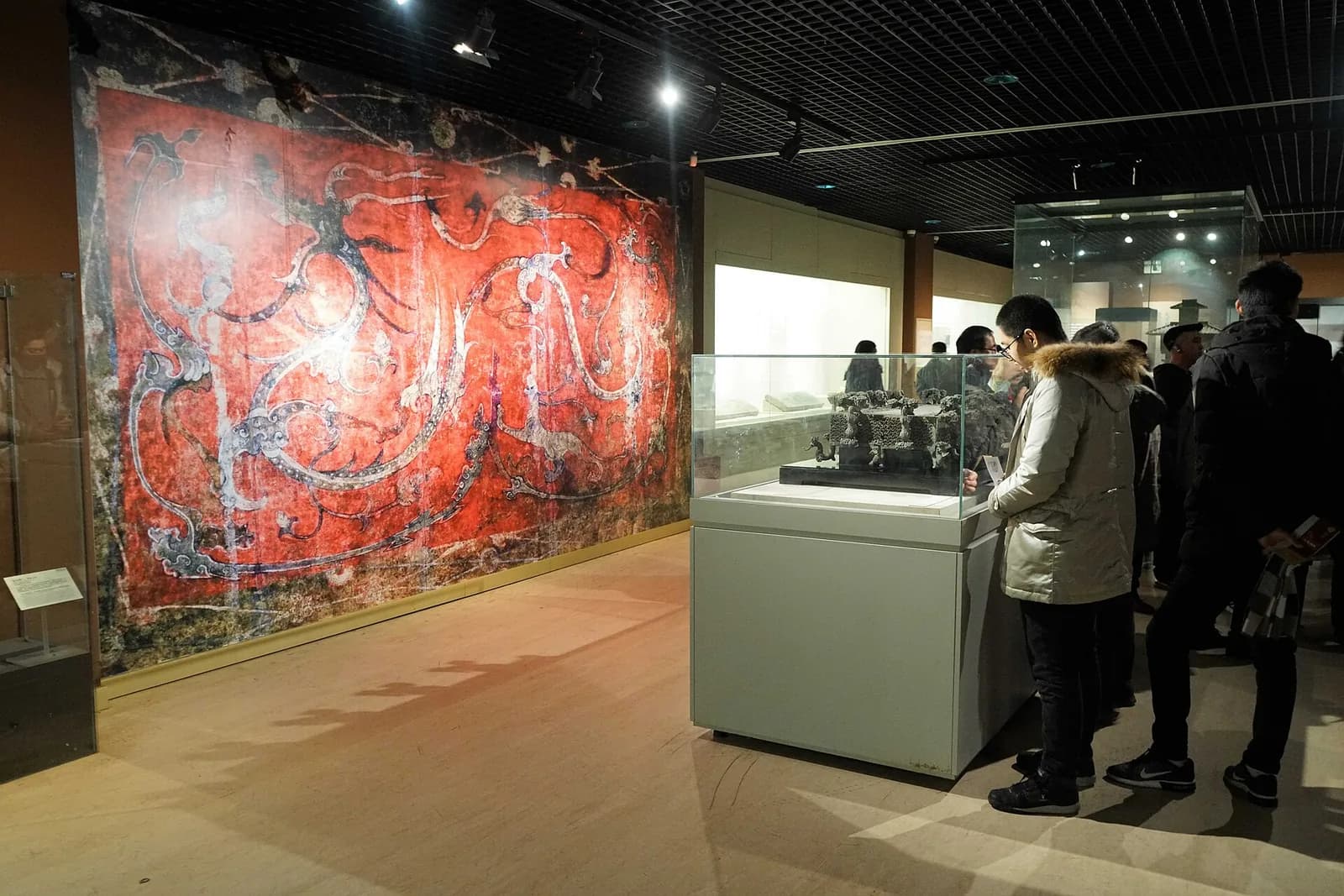
An exhibition gallery
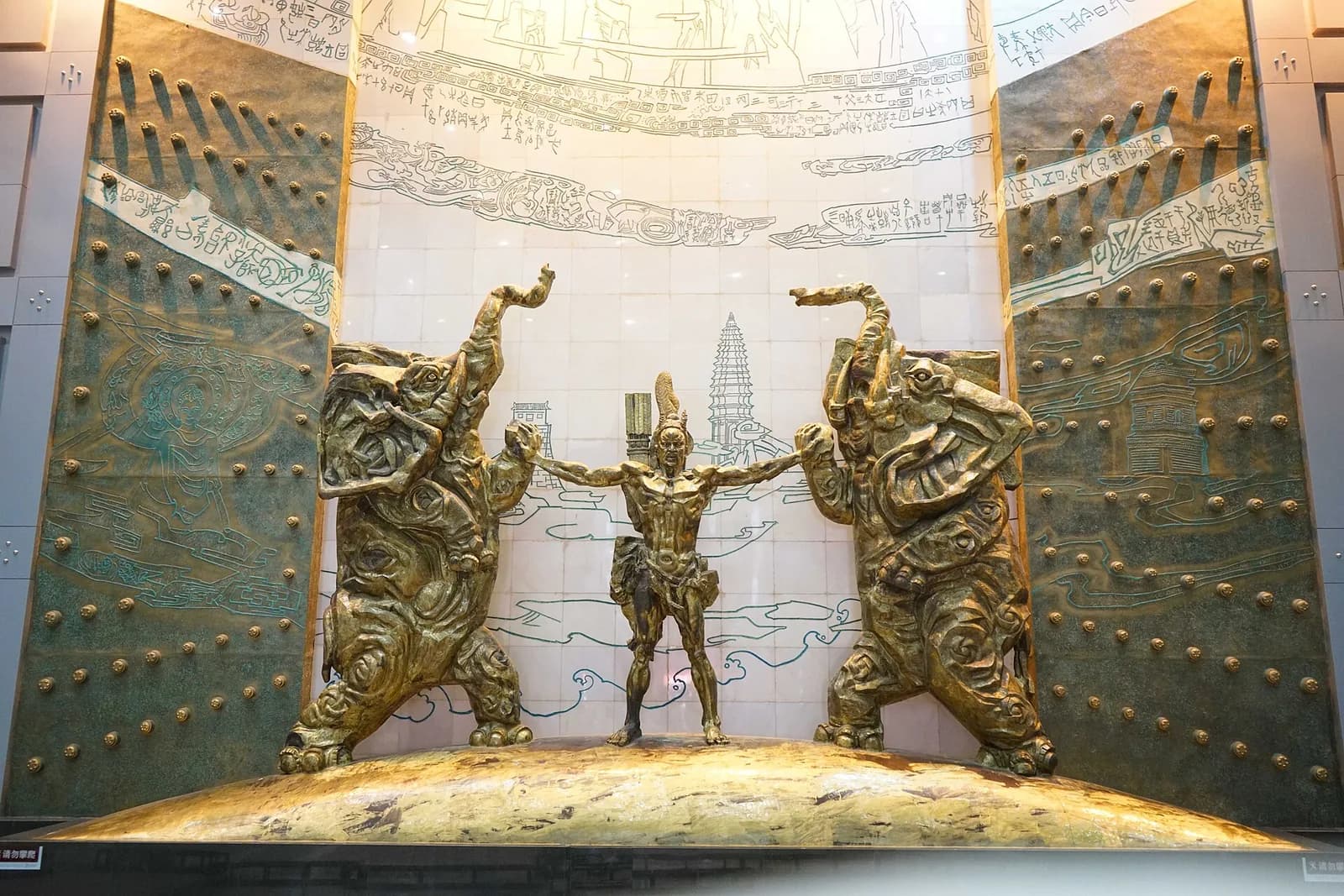
Sculpture in the entrance hall
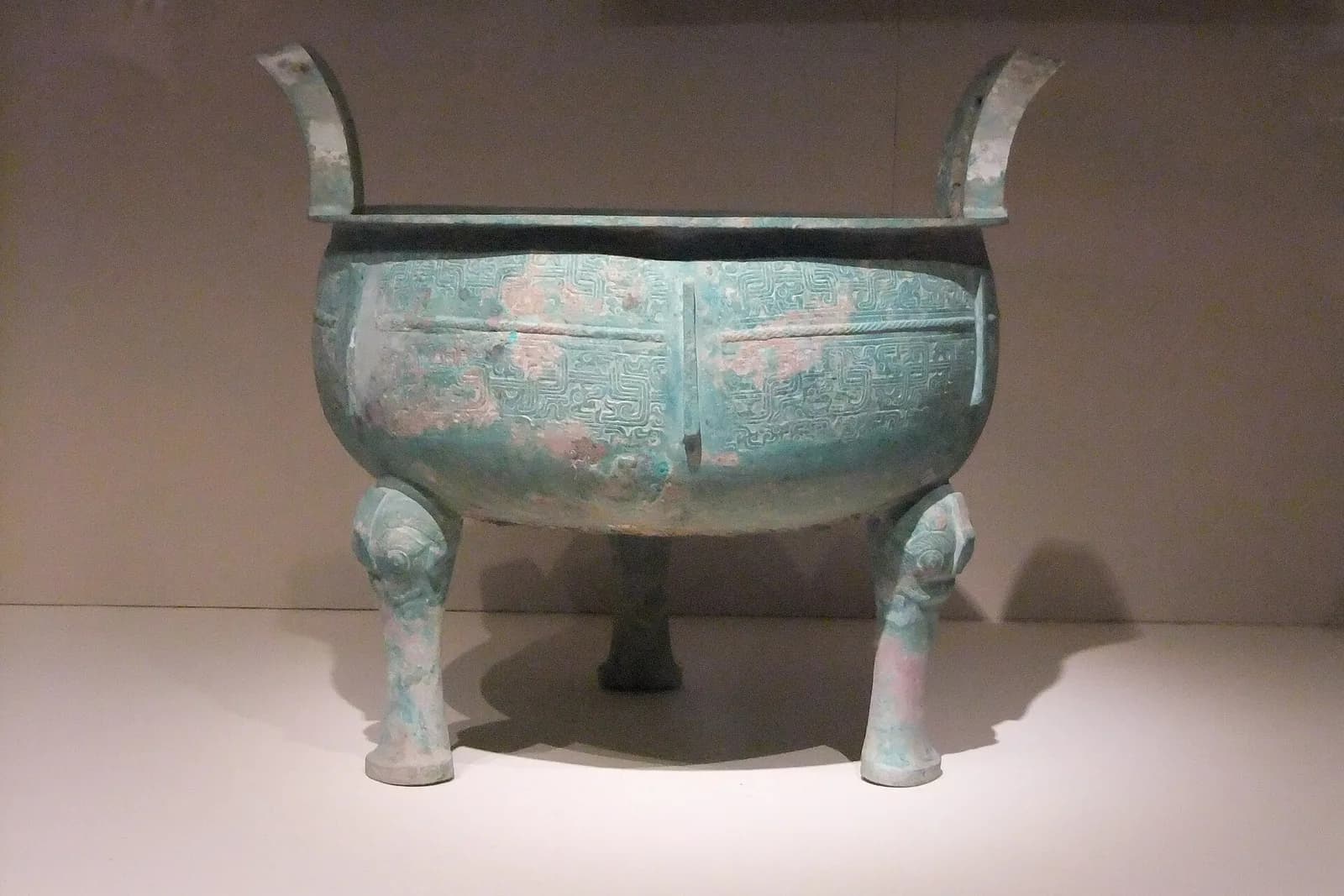
The Nine Ding and Eight Gui of the Zheng rulers, Spring and Autumn period
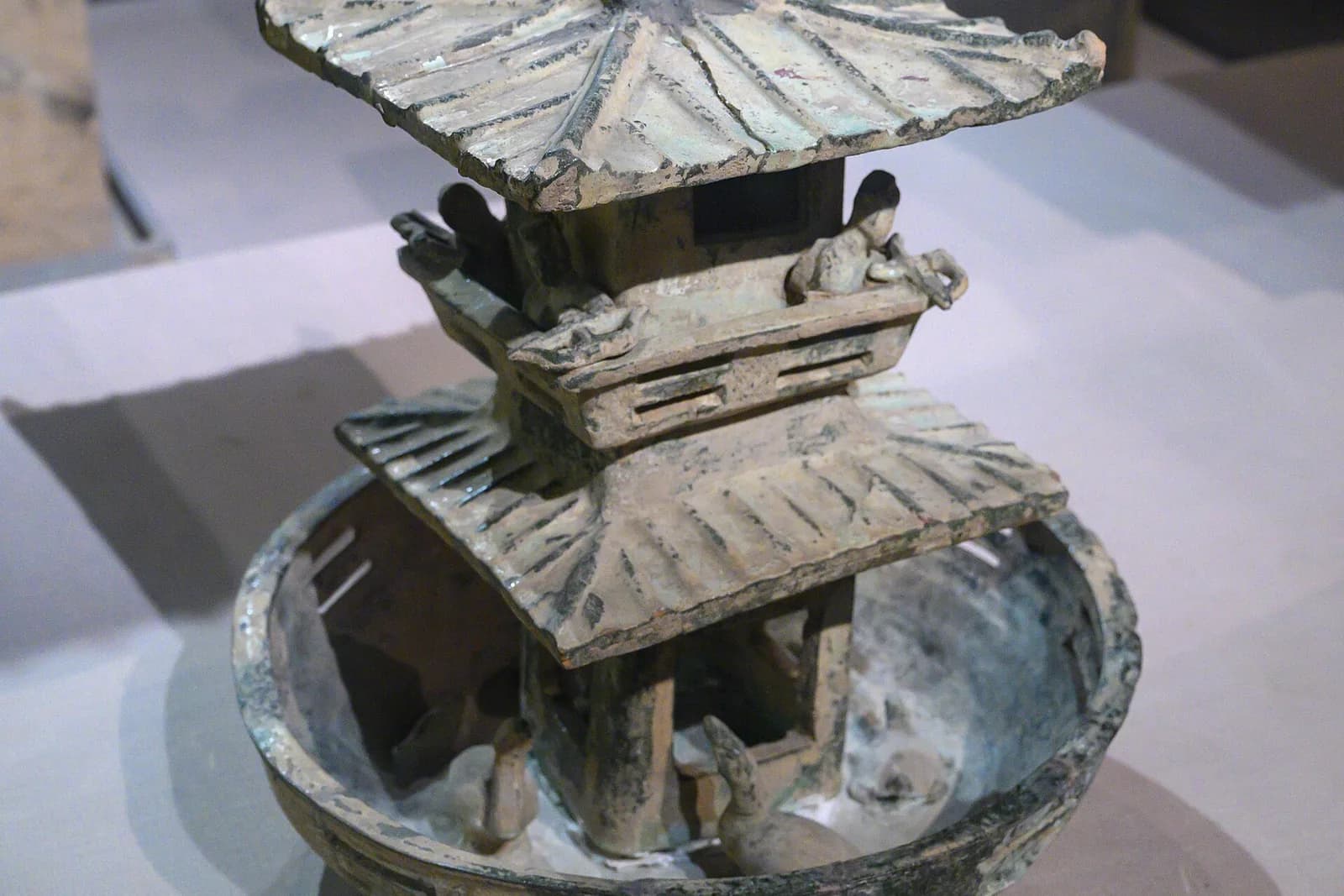
A pottery building model in the collection
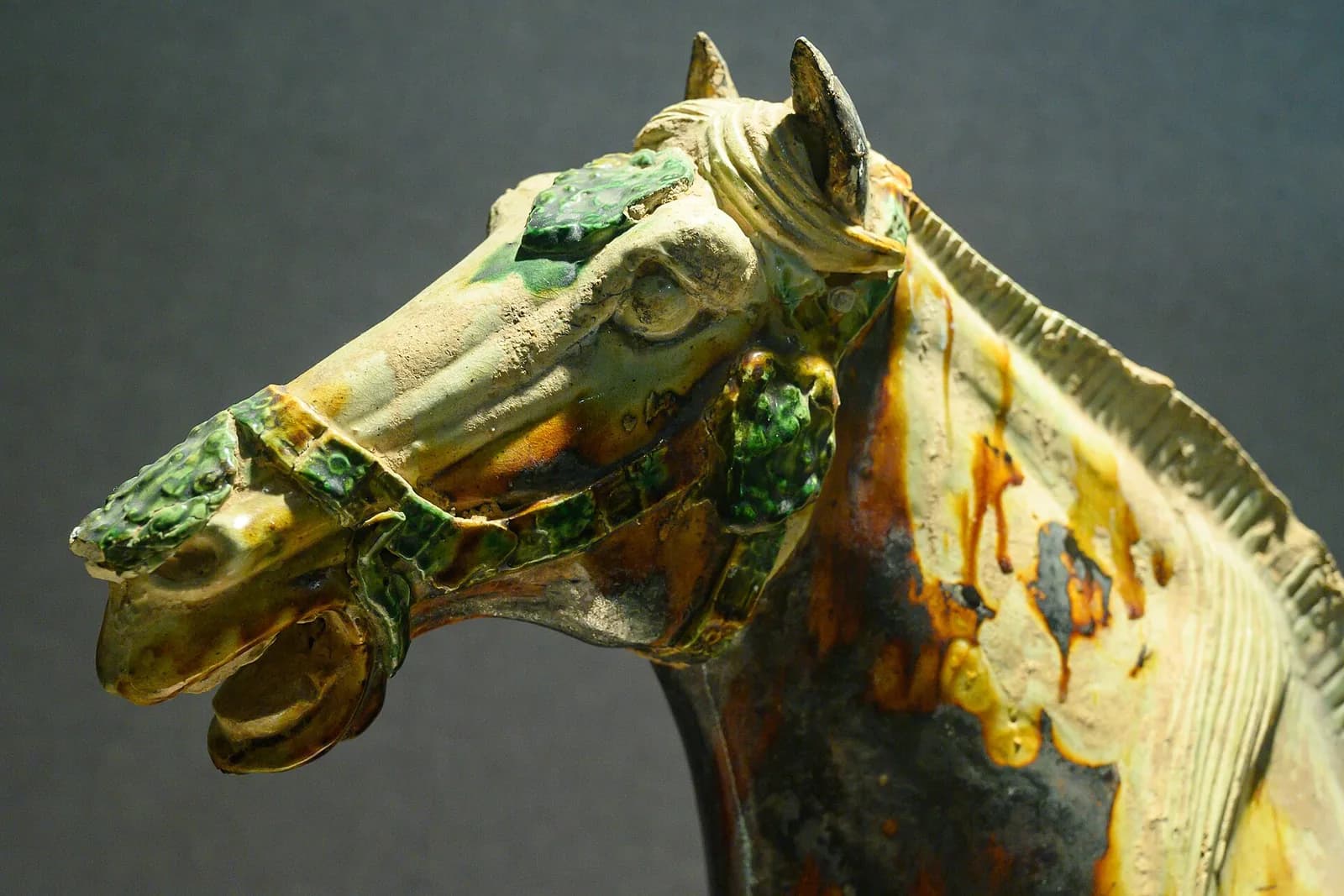
A sancai glazed horse in the collection
Source
A national-level museum jointly run by the central and provincial governments. Its holdings concentrate on prehistory, the Xia–Shang–Zhou period and the Han and Tang. The permanent exhibition runs chronologically and is the single most efficient introduction to central-plain civilisation.
What to see
- The Jiahu bone flutes, roughly 8,000 years old — among the earliest instruments yet found in China.
- The Fu Hao owl-shaped zun, a late Shang bronze vessel from the tomb of Fu Hao at Yin Xu.
- The lotus-and-crane square hu, a Spring and Autumn bronze that marks a turning point in bronze art.
- The ancient music hall, where replicas of excavated instruments are played; separately ticketed and with limited sessions.
Practical notes
On Nongye Road in Zhengzhou, walkable from Guanhutun station on metro line 2. Closed Mondays except public holidays, and entry requires a real-name booking in advance. Allow three hours. If you have had a checkup that day, the museum is flat with plenty of seating and works well as a low-effort afternoon.