
เติ้งเฟิง เจิ้งโจว
วัดเส้าหลินและเขาซงซาน
- จากเจิ้งโจว
- โดยรถยนต์ประมาณ 1.5 ชั่วโมง
- เวลาที่ควรเผื่อ
- หนึ่งวันเต็ม
- ฤดูที่เหมาะ
- เมษายน–มิถุนายน กันยายน–พฤศจิกายน
จากเว็บไซต์ทางการ
สถานที่แนะนำตัวเองผ่านเว็บไซต์ทางการ
ถอดความจากเว็บไซต์ทางการของผู้ดำเนินการ พร้อมวันที่เราเข้าดู และเป็นอิสระจากคำบรรยายของเราเองด้านบน
Shaolin Temple stands on the southern slope of Taishi Mountain northwest of Dengfeng, facing Shaoshi Mountain and backed by Wuru Peak; it takes its name from the dense forest on Shaoshi's shaded side. It was founded in 496 (the twentieth year of Taihe, Northern Wei) by the Indian monk Buddhabhadra, and in 527 the South Indian monk Bodhidharma arrived and began teaching Chan to a growing body of followers. The temple rose and fell repeatedly, prospered from the early Tang, peaked in the Ming and declined after the Qing. It comprises the Kernel Compound, the Pagoda Forest, Chuzu Temple, Erzu Temple, Bodhidharma Cave, the Sweet Dew Terrace and scattered tomb pagodas and carvings — the cradle of Chinese Chan Buddhism and of Shaolin martial arts.
- Location
- Northwest of Dengfeng, Henan; southern slope of Taishi Mountain, shaded side of Shaoshi Mountain
- Founded
- 496 CE (twentieth year of Taihe, Northern Wei)
- Chan Buddhism
- 527 CE: Bodhidharma arrived and taught Chan
- Main complex
- The Kernel Compound runs south to north: gate, Tianwang Hall, Mahavira Hall, Dharma Hall, abbot's quarters, Lixue Pavilion, Thousand Buddha Hall, with bell and drum towers, meditation halls and the Sixth Patriarch Hall to either side
- Holdings
- 245 steles from Northern Qi to the Republic; Ming-dynasty polychrome murals of the five hundred arhats; over a hundred plaques, couplets and metal objects from Jin to Qing
- Heritage status
- Seventh batch of Major Historical and Cultural Sites Protected at the National Level; World Heritage, as part of the Historic Monuments of Dengfeng
จุดชมหลัก
The Kernel Compound
The temple's main body and the place where its monks have always conducted services, on a seven-courtyard axis.
The Pagoda Forest
The tomb pagodas of successive generations of senior monks, west of the temple.
Chuzu Temple
Built in memory of Bodhidharma, the first Chan patriarch, northwest of the temple.
Bodhidharma Cave and Sweet Dew Terrace
Chan sites in the temple's surroundings.
The temple's holdings
The polychrome arhat murals and the steles dating back to the Northern Qi are the direct evidence of the temple's historical and artistic standing.
ภาพสถานที่
These photographs are openly licensed for commercial use (from Wikimedia Commons: CC0, CC BY, CC BY-SA or public domain) and are not the attraction's own gallery. Each photo is credited below with its author and licence, linked to the original file.
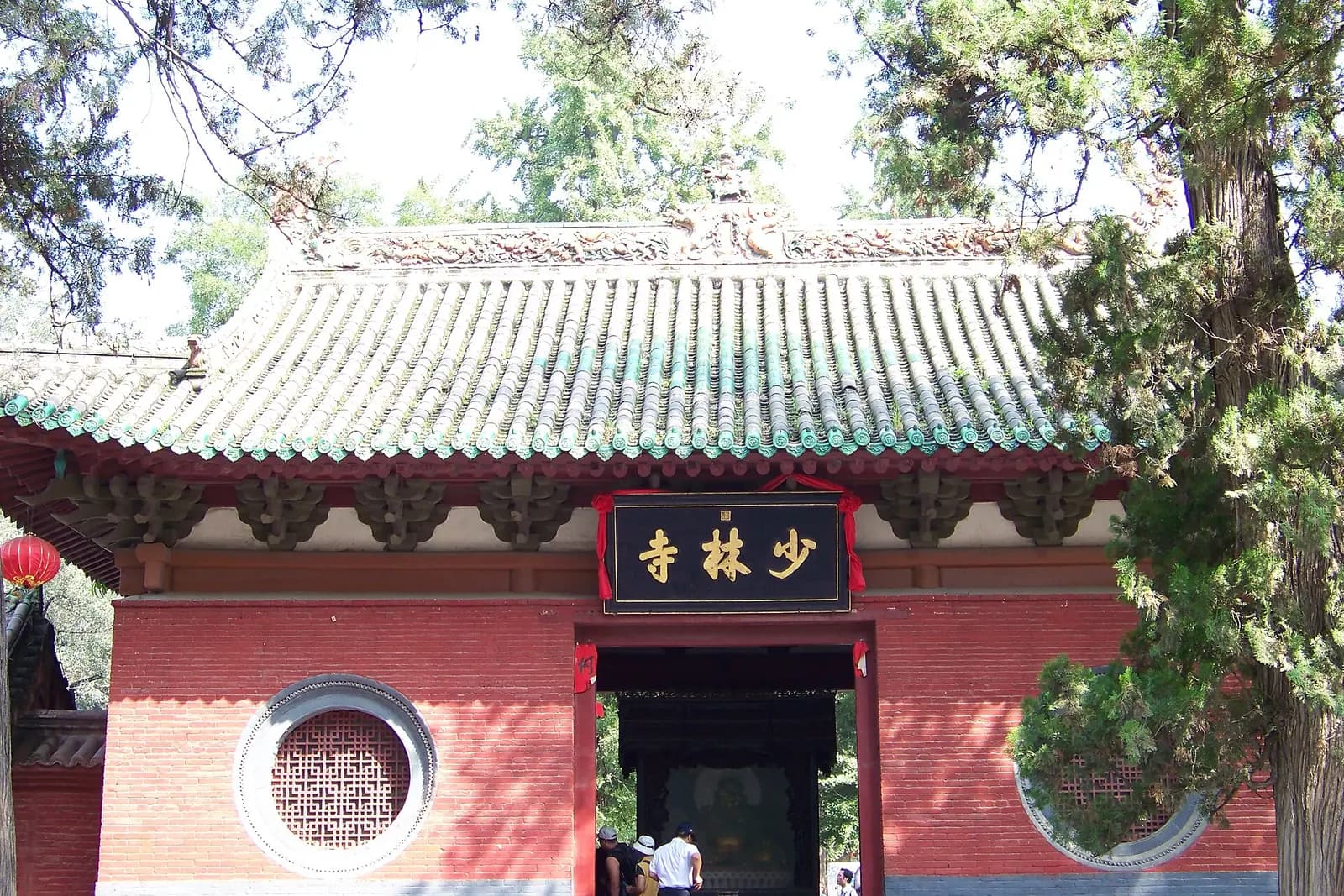
The main gate of Shaolin Temple
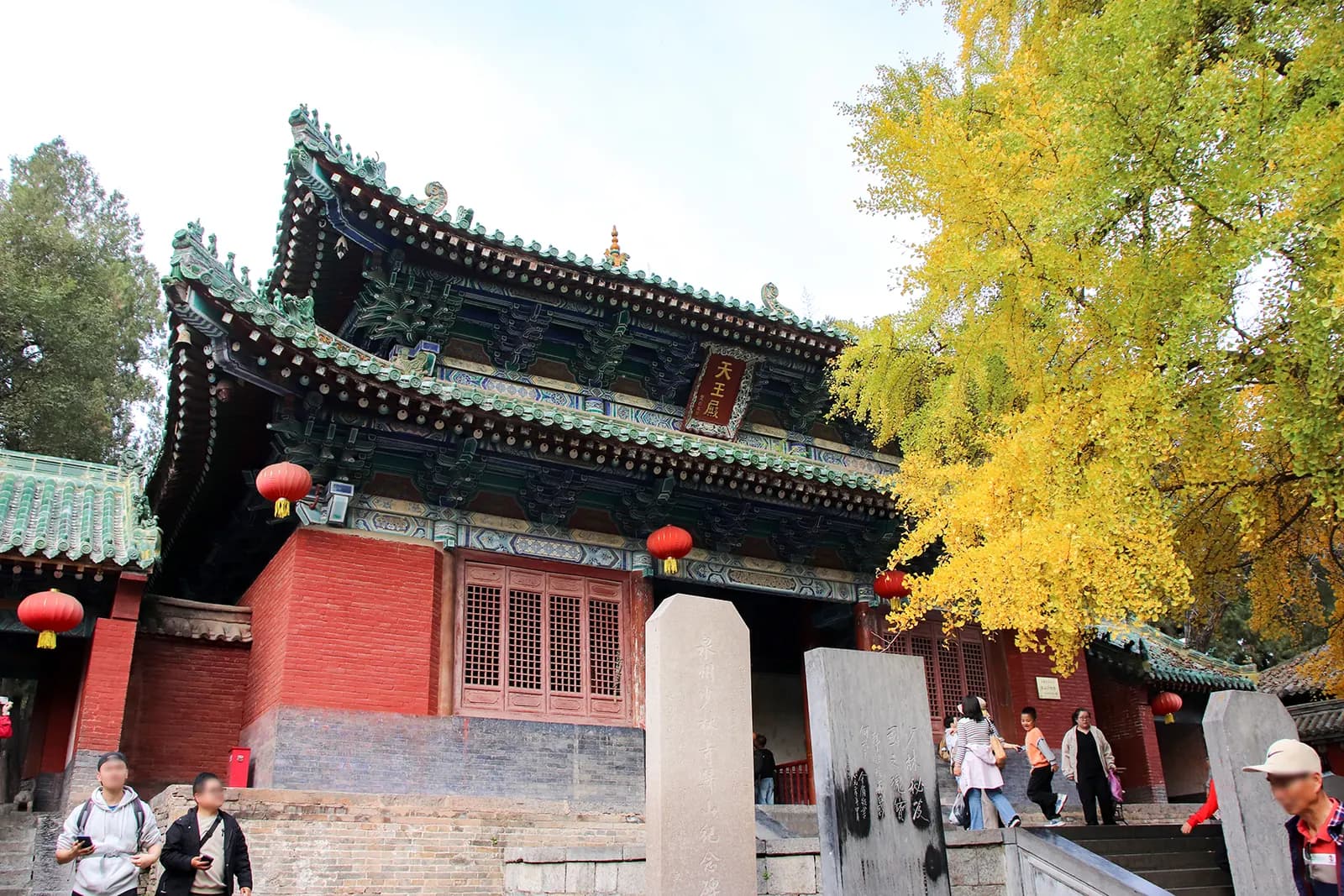
The Hall of Heavenly Kings
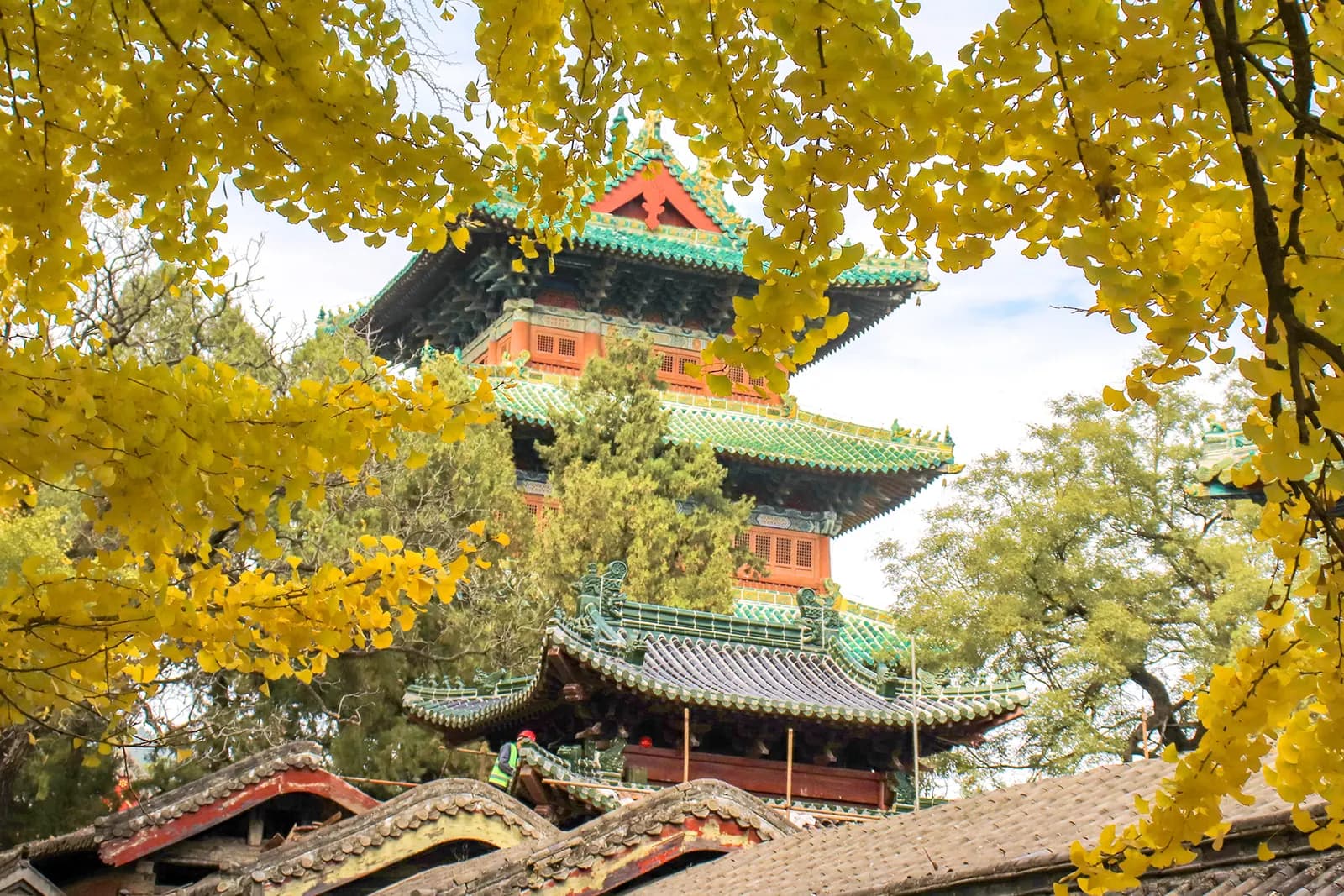
The bell tower behind a ginkgo
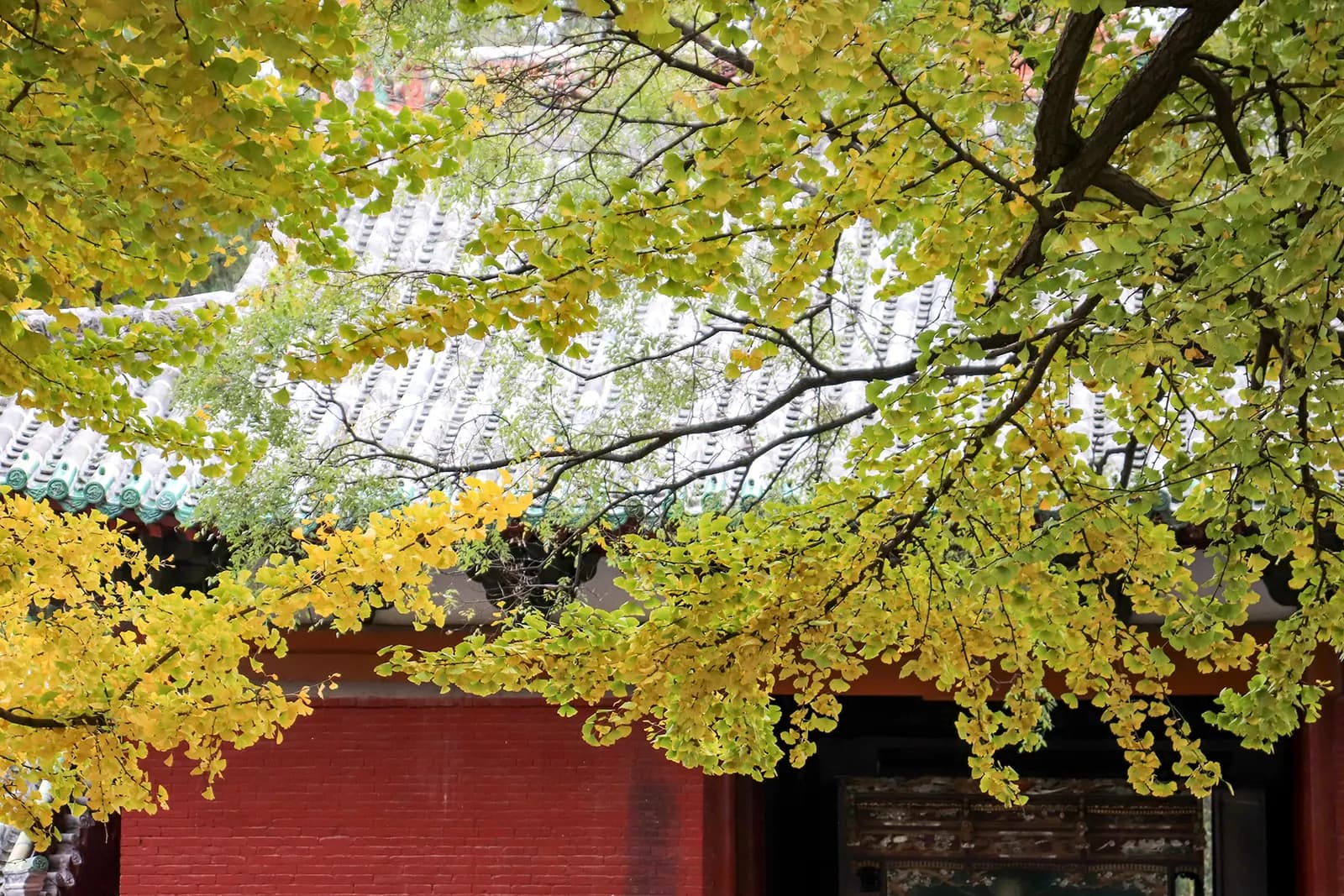
A courtyard of autumn ginkgo
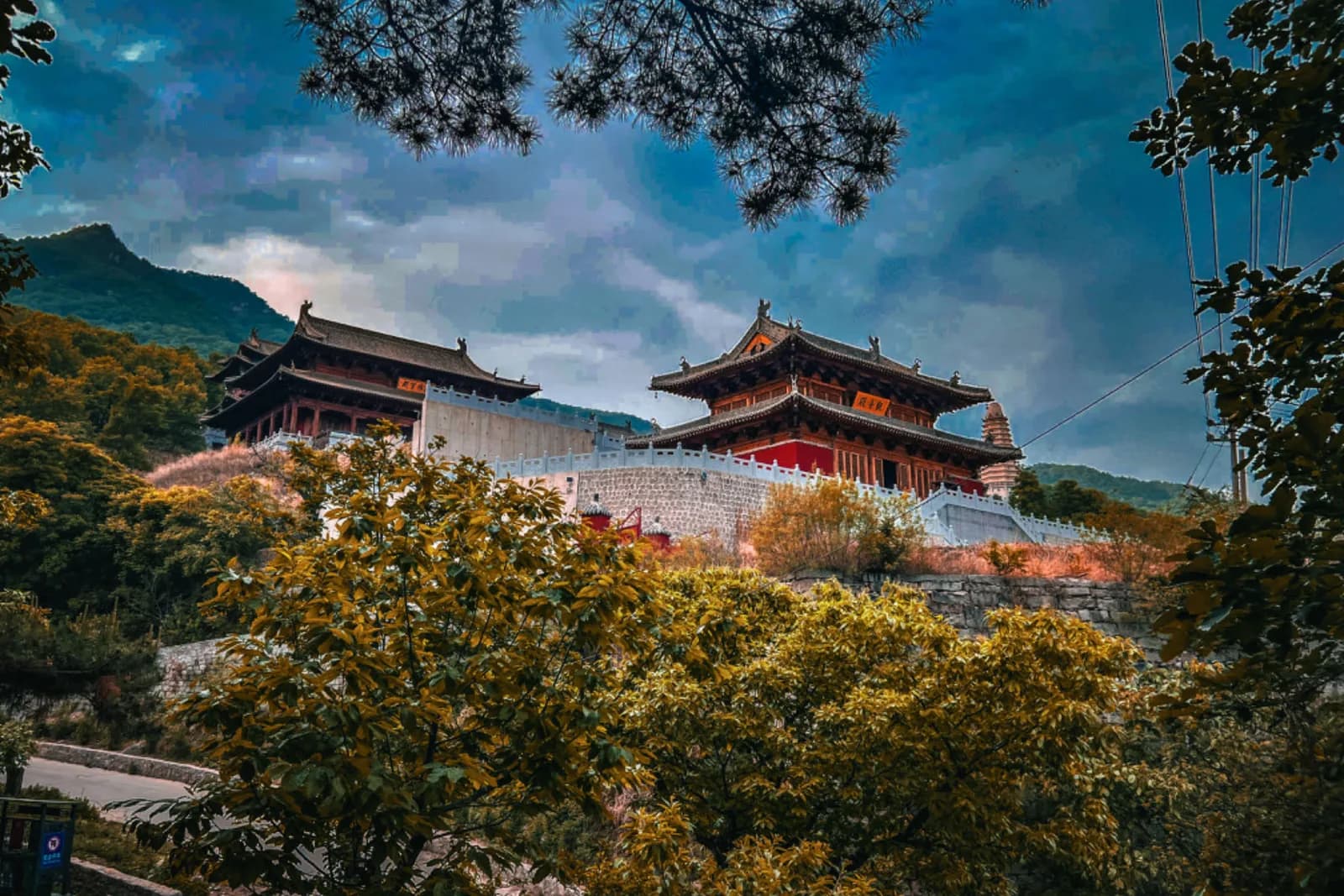
Temple halls framed by trees
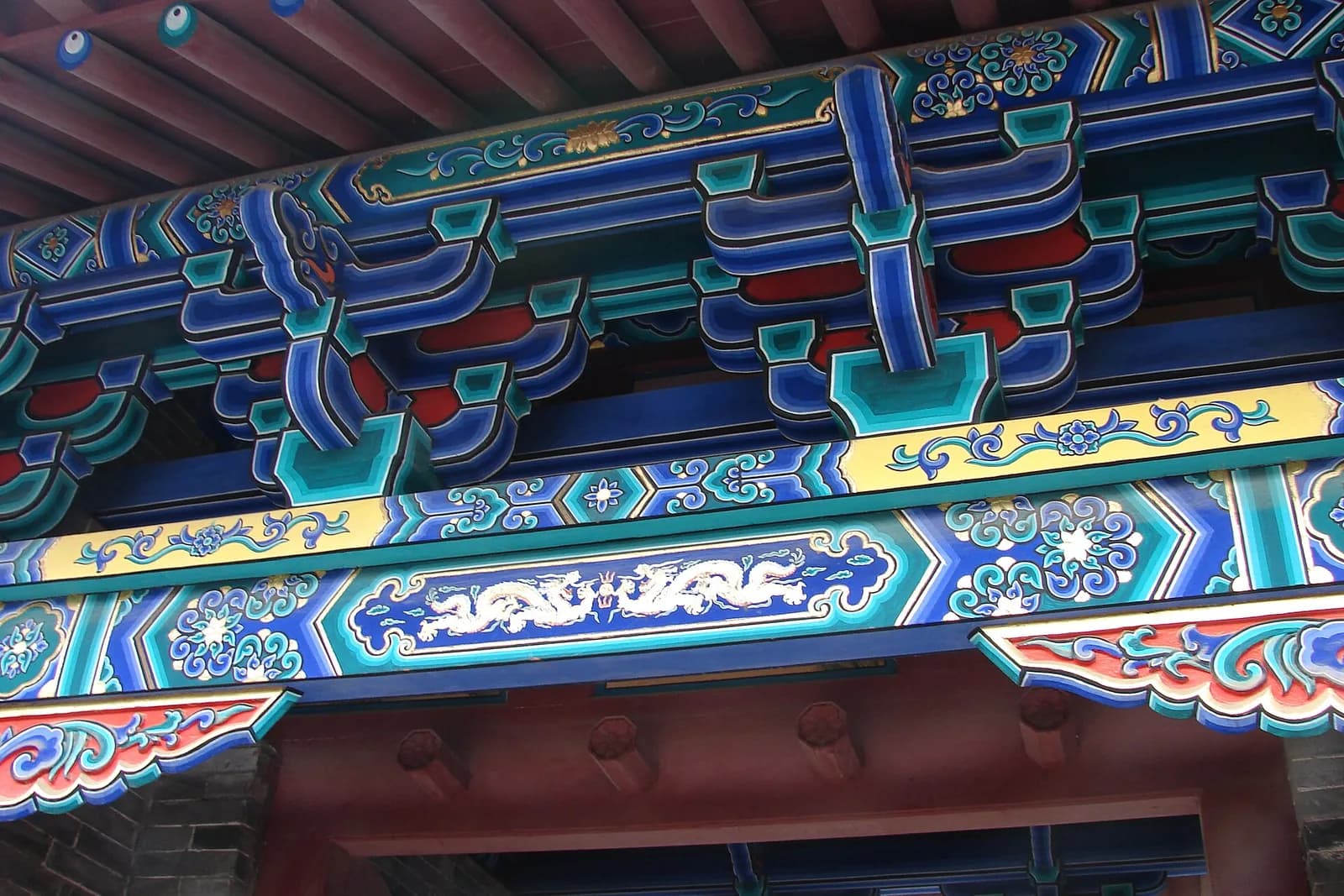
Painted eaves of a temple hall
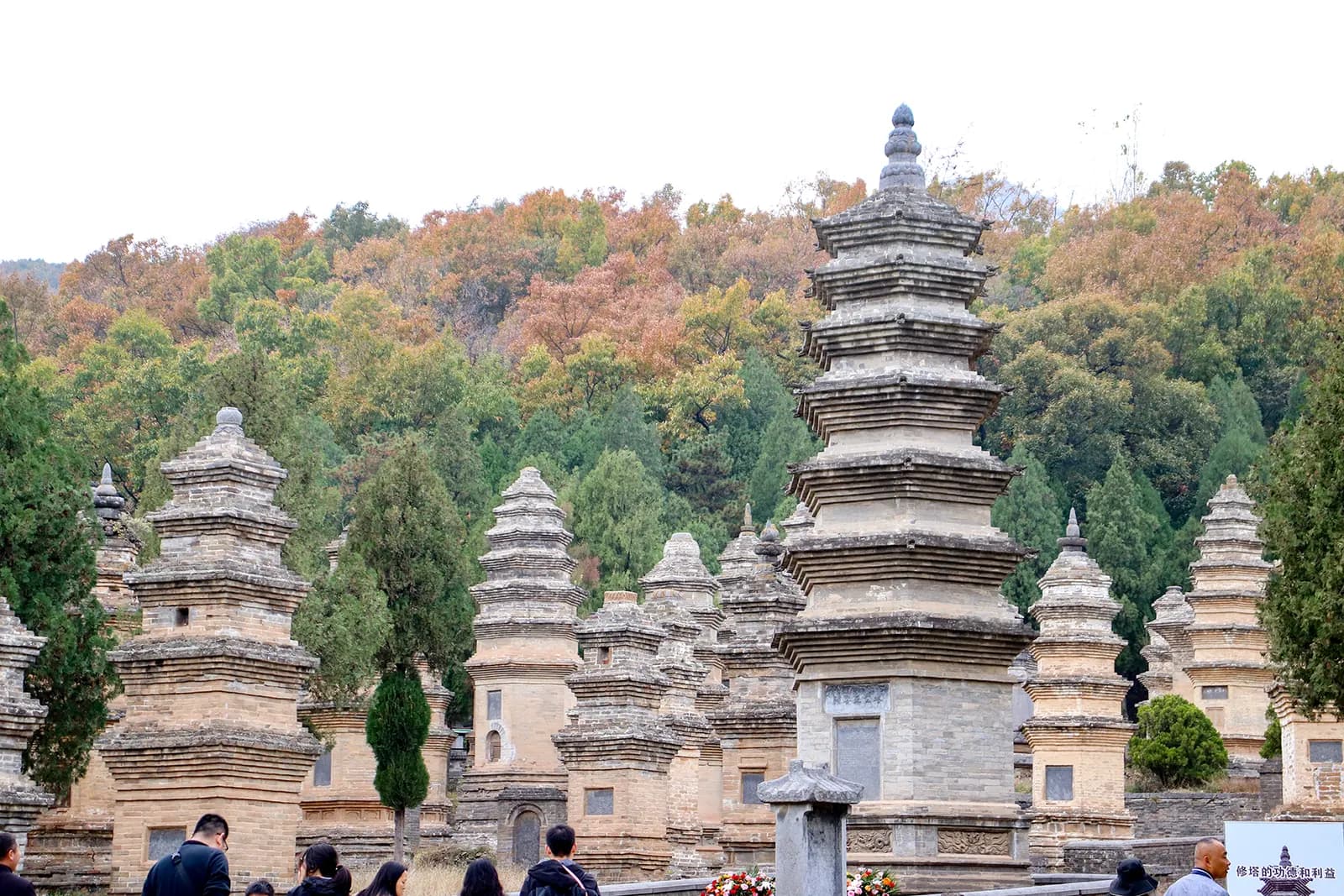
The Pagoda Forest
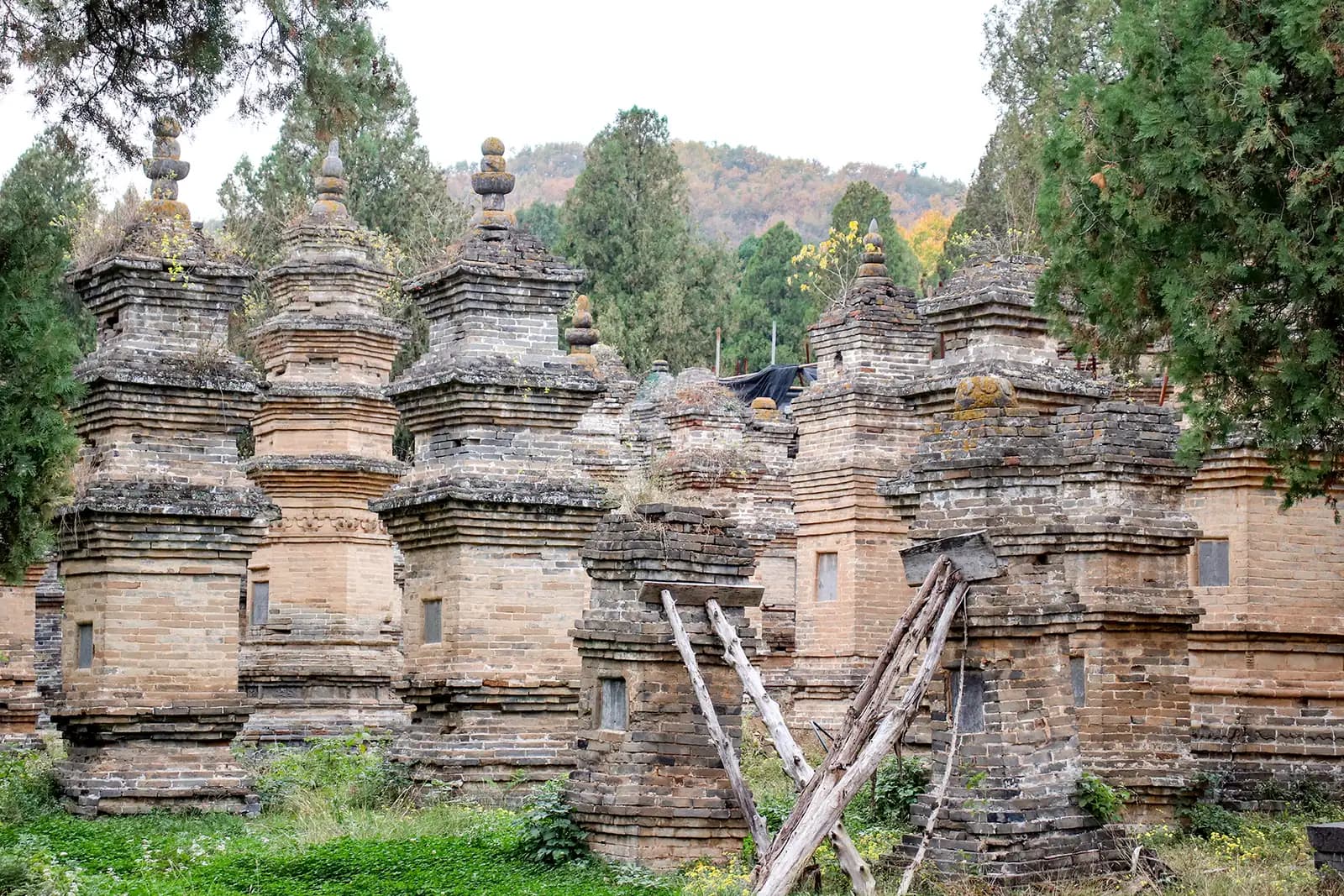
Brick pagodas in the Pagoda Forest
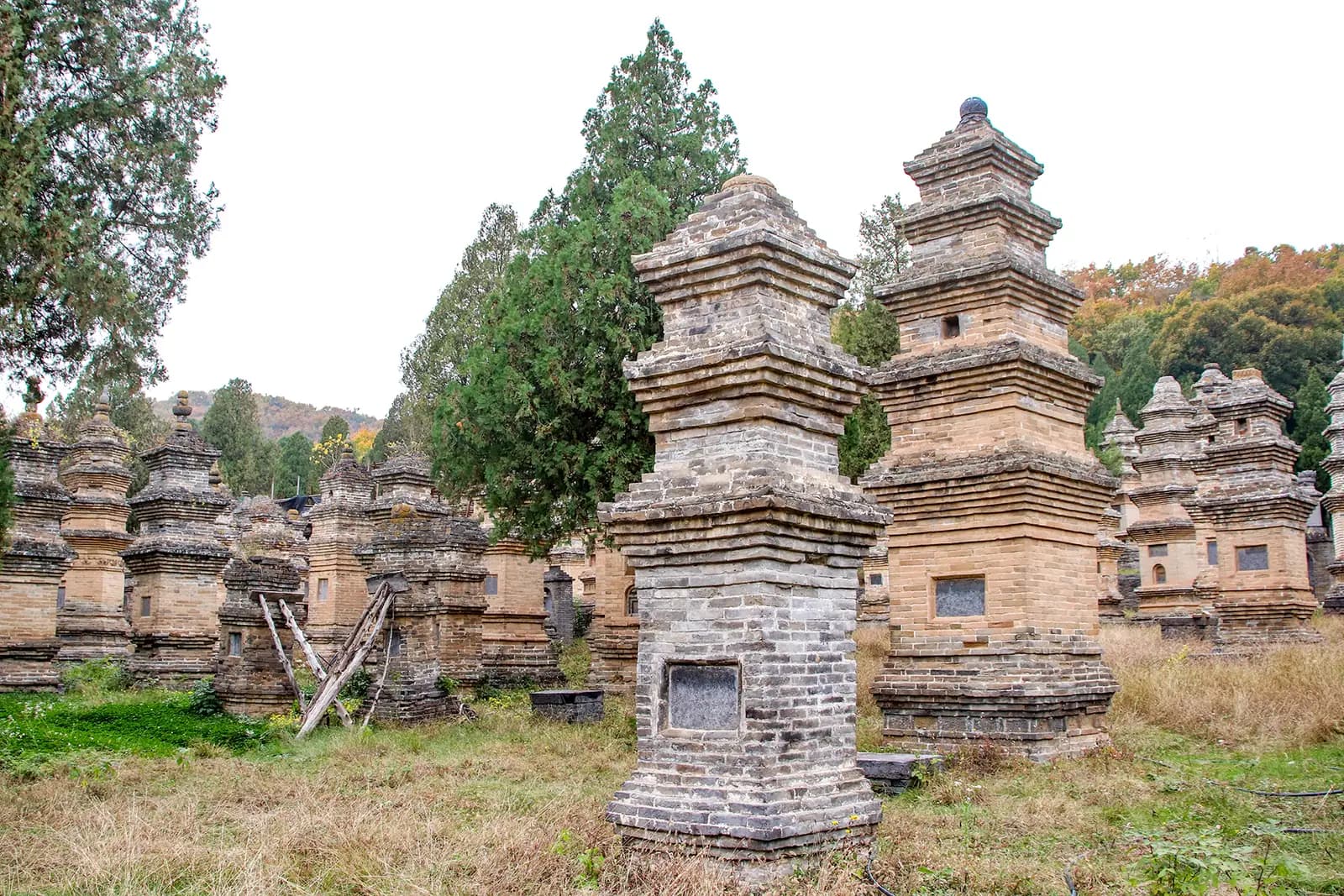
Old pagodas in the Pagoda Forest
แหล่งข้อมูล
วัดเส้าหลินสร้างขึ้นในปี ค.ศ. 495 สมัยราชวงศ์เว่ยเหนือ เป็นวัดต้นกำเนิดของนิกายฉานและแหล่งกำเนิดมวยเส้าหลิน ตั้งอยู่ใต้ยอดอู่หรู่ของเขาซงซาน โดยตัววัด ป่ากระถม เจดีย์ อนามัยบรรพจารย์องค์แรก และถ้ำตั๊กลั่ม รวมกันเป็นภูมิทัศน์วัดเดียว ในปี 2010 กลุ่มสถาปัตยกรรม "ใจกลางฟ้าและดิน" โดยรอบได้ขึ้นทะเบียนมรดกโลกยูเนสโก
จุดน่าสนใจ
- วัดหลัก: ประตูวัด วิหารท้าวจตุโลกบาล วิหารมหาวิระ หอพระไตรปิฎก และวิหารพันพุทธะ เรียงบนแกนเดียว จิตรกรรมสมัยหมิงในวิหารพันพุทธะเป็นภาพที่ล้ำค่าที่สุดของวัด
- ป่ากระถมเจดีย์: เจดีย์อิฐและหินกว่า 240 องค์ ตั้งแต่สมัยถังถึงชิง ใหญ่ที่สุดในจีน
- มวยเส้าหลิน: มีการสาธิตทุกวัน และสามารถจัดคอร์สเบื้องต้นที่โรงเรียนใกล้เคียงได้หากแจ้งล่วงหน้า
- ซานหวงไข่: ทางเดินริมผาด้านตะวันตกของเขาซงซาน ผู้ที่มีร่างกายแข็งแรงควรเผื่อวันแยกต่างหาก ไม่ควรรวมกับวัด
ข้อควรรู้
ที่นี่เป็นศาสนสถานที่ยังใช้งานจริง ควรใส่กางเกงขายาว หลีกเลี่ยงเสื้อผ้าเปิดเผย และห้ามถ่ายภาพในวิหาร วันหยุดสุดสัปดาห์และวันหยุดราชการคนแน่น ควรมาถึงก่อน 08:00 กระเช้าช่วยลดการเดินได้บ้าง แต่ตัววัดและป่ากระถมต้องเดิน ใช้เวลารวมราวสามถึงสี่ชั่วโมง