
Лоян
Гроты Лунмэнь
- От Чжэнчжоу
- Около 40 минут на скоростном поезде
- Время на осмотр
- От половины дня до целого дня
- Лучший сезон
- Апрель–май (сезон пионов), сентябрь–октябрь
С официального сайта
Официальный сайт объекта о себе
Перенесено с официального сайта оператора с указанием даты чтения. Не зависит от нашего описания выше.
The Longmen Grottoes stand five kilometres south of Luoyang, where Mount Xiang and Mount Longmen face each other with the Yi river running between them — a natural gateway that gave the site its old name, Yique. Carving began around the time the Northern Wei moved their capital to Luoyang and continued through the Northern Wei, Eastern and Western Wei, Northern Qi, Sui, Tang, Five Dynasties and Song. The span is what makes the site a record of Buddhism's absorption into China. Designated a Major Historical and Cultural Site Protected at the National Level in 1961 and inscribed on the UNESCO World Heritage List in 2000.
- Niches and caves
- 2,345
- Figures
- over 100,000
- Inscriptions
- over 2,800
- Vairocana Buddha height
- 17.14 m
- Smallest figure
- 2 cm, south wall of Lotus Cave
Что посмотреть
Guyang Cave
In the southern section of the west bank, cut into a natural karst cavity: 11.2 m high, 7.27 m wide and 11.83 m deep. It is the earliest, most richly carved and most heavily inscribed of the large caves — over 1,500 niches and more than 800 inscriptions. Nineteen of the twenty celebrated Longmen inscriptions are here. The 6.1 m Shakyamuni shows the Northern Wei "refined bones and clear features" manner.
Middle Binyang Cave
Commissioned by Emperor Xuanwu of the Northern Wei for his parents, Emperor Xiaowen and Empress Wenzhao — one of the most representative imperial caves of the Northern Wei period. Cut between 500 and 523 CE, about 24 years of work recorded as 802,366 labour units. The ceiling carries a canopy, the floor a lotus pond.
Prescription Cave
Holds the earliest stone-carved medical prescriptions found in China, dated to the Tang. The contents were incorporated into the Japanese Ishinpō — physical evidence of Chinese medicine travelling outward.
Fengxian Temple
The Vairocana Buddha, 17.14 m tall — the site's defining image.
Фотографии
These photographs are openly licensed for commercial use (from Wikimedia Commons: CC0, CC BY, CC BY-SA or public domain) and are not the attraction's own gallery. Each photo is credited below with its author and licence, linked to the original file.
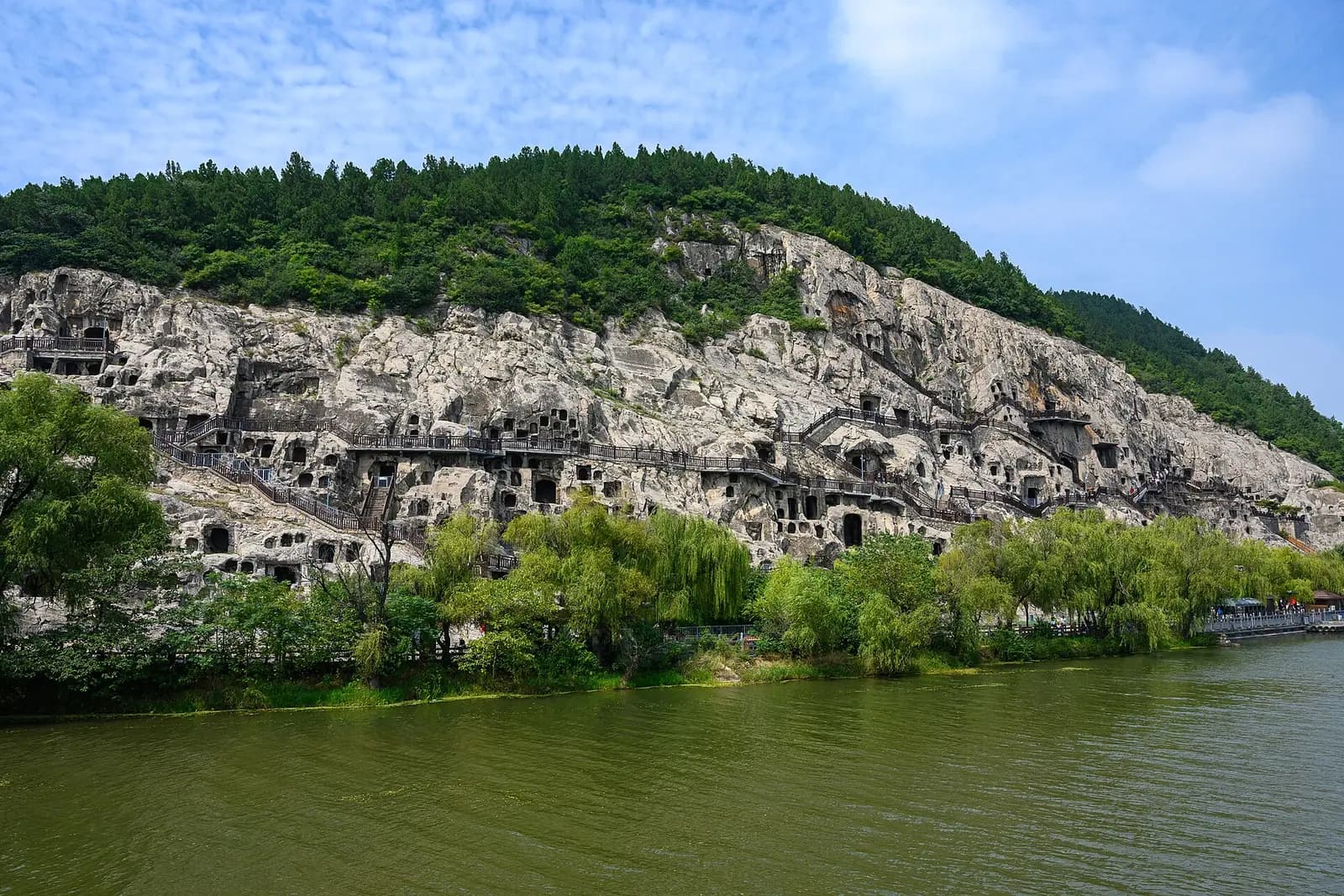
The Yi river and the west-bank cliffs
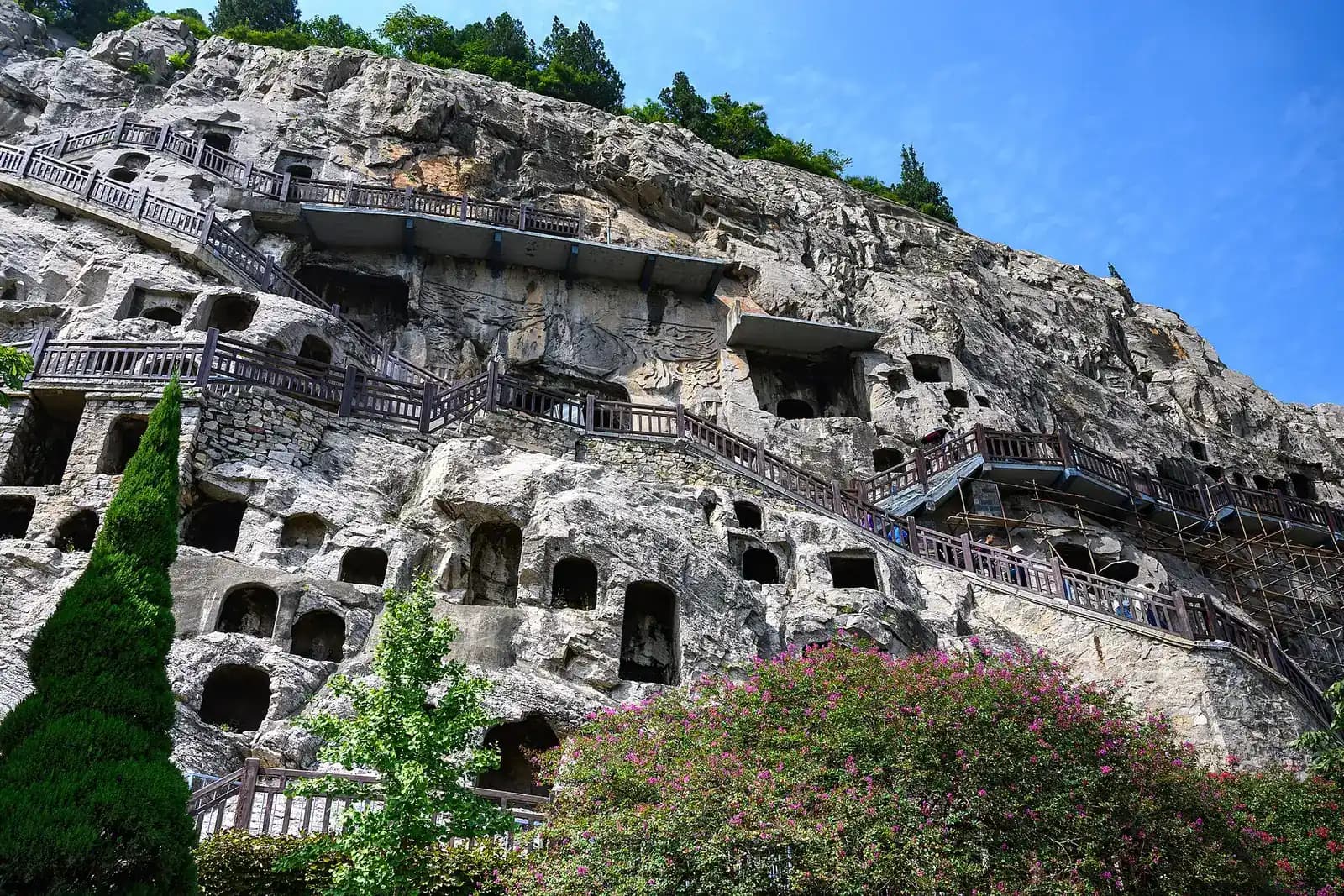
Niches crowding the cliff face
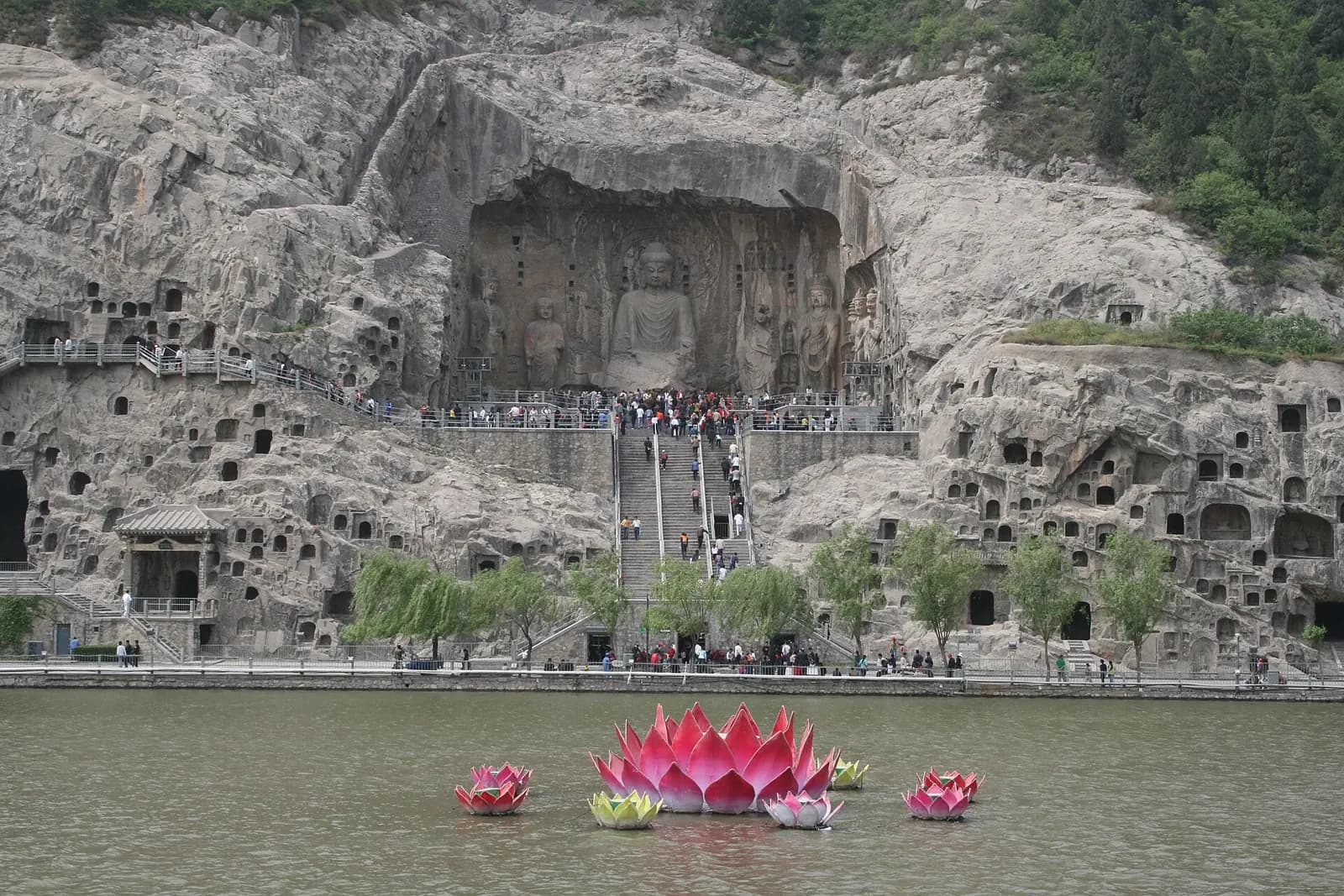
The great niche of Fengxian Temple
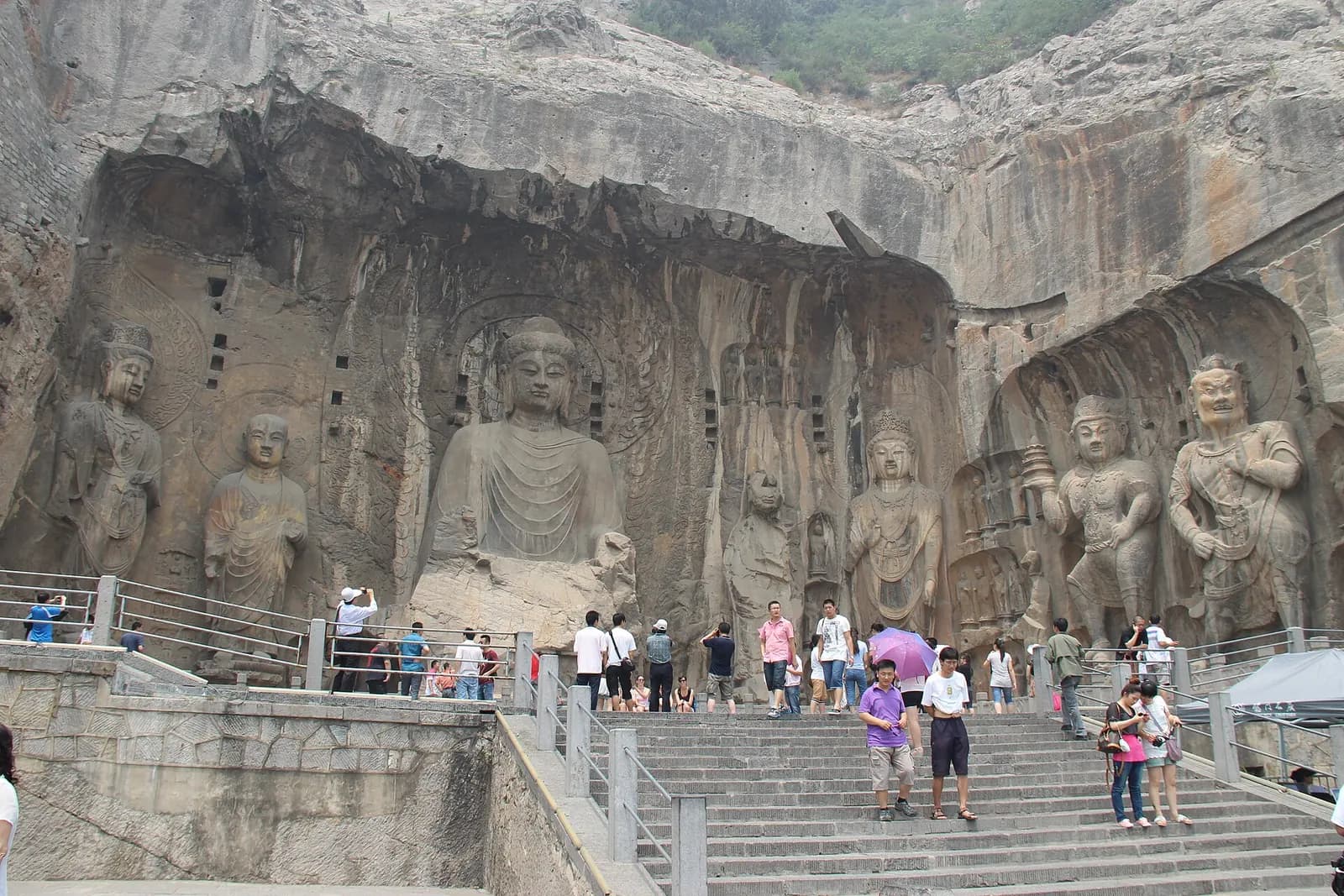
Vairocana Buddha and attendants, Fengxian Temple
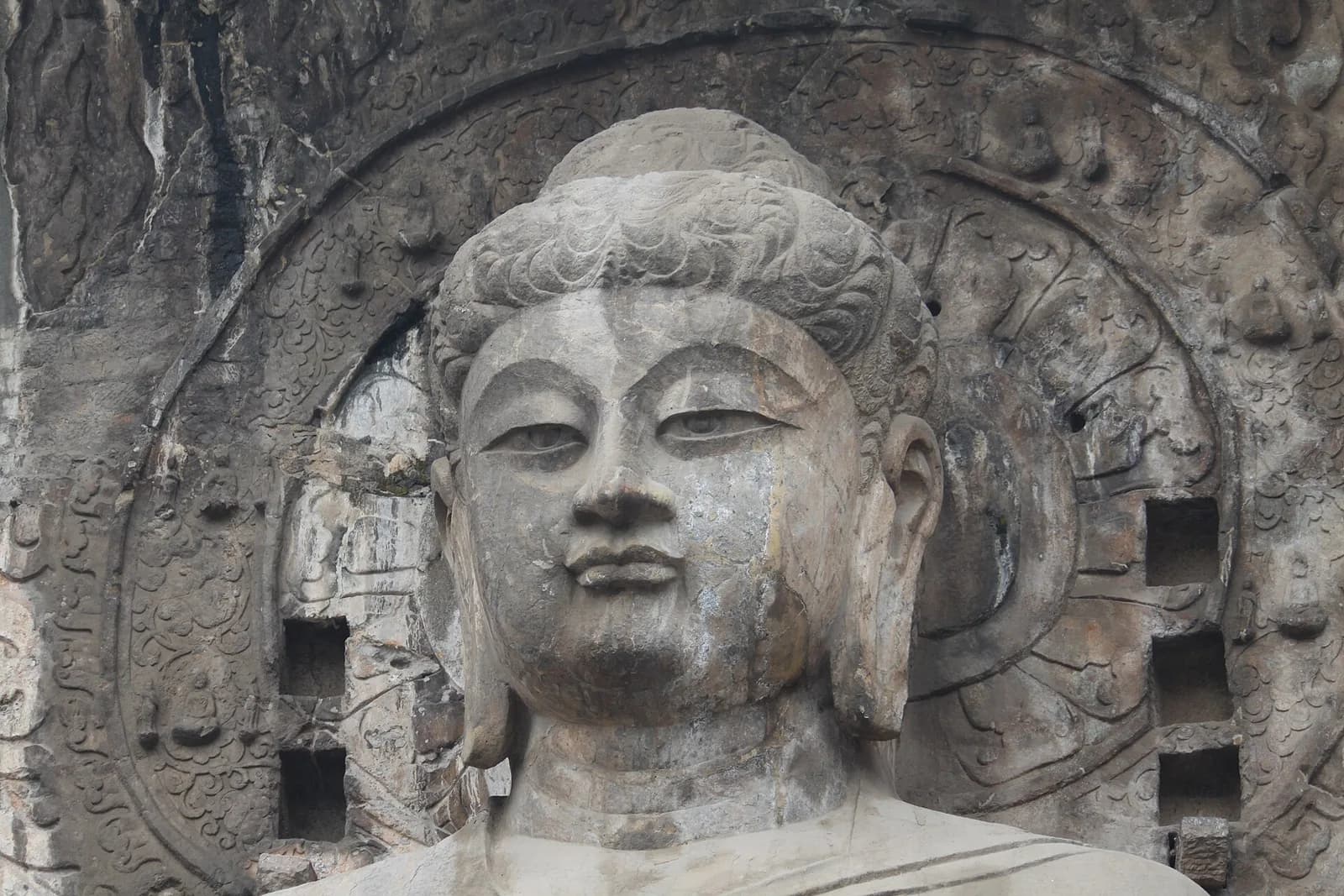
The Vairocana Buddha
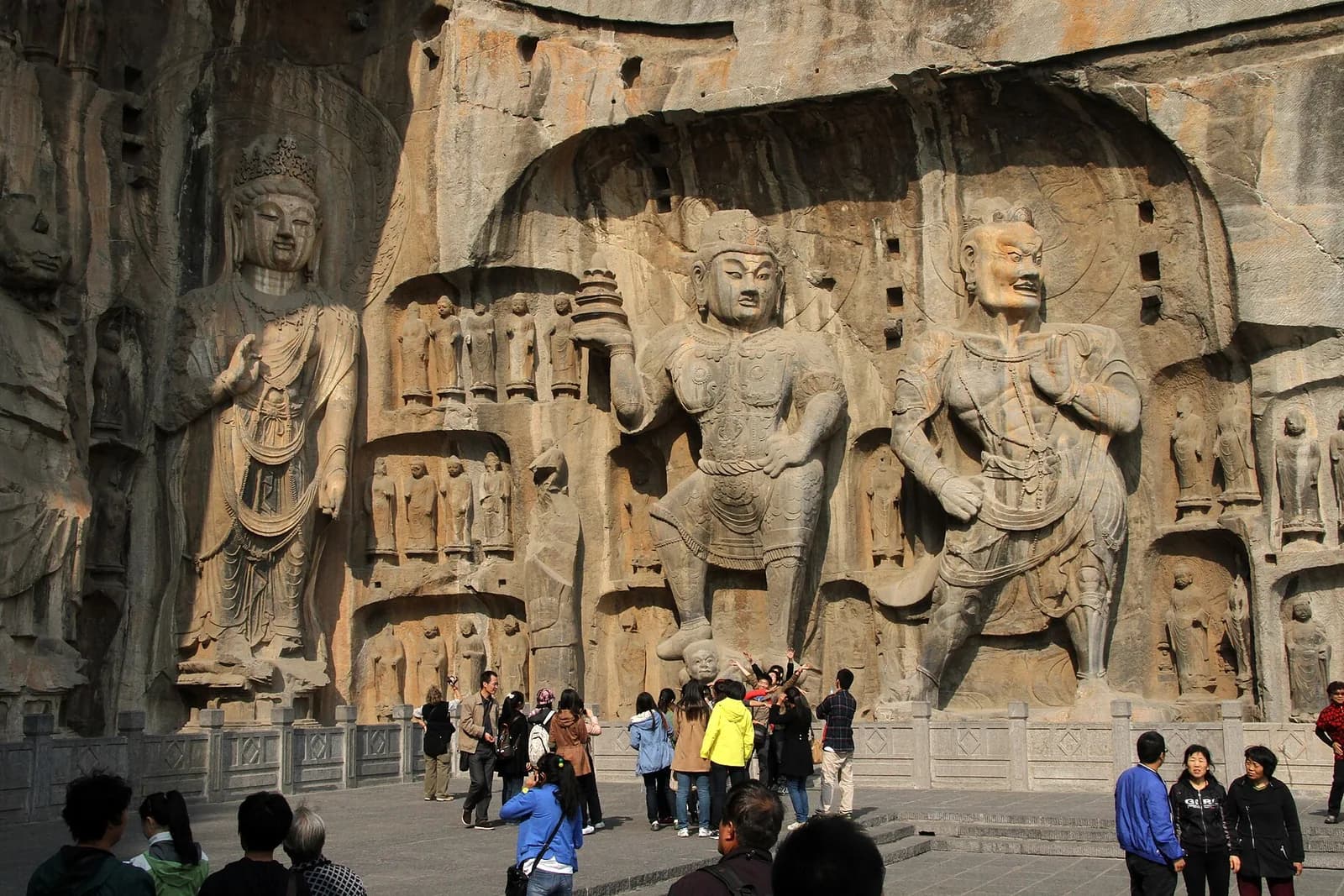
The Fengxian Temple figures
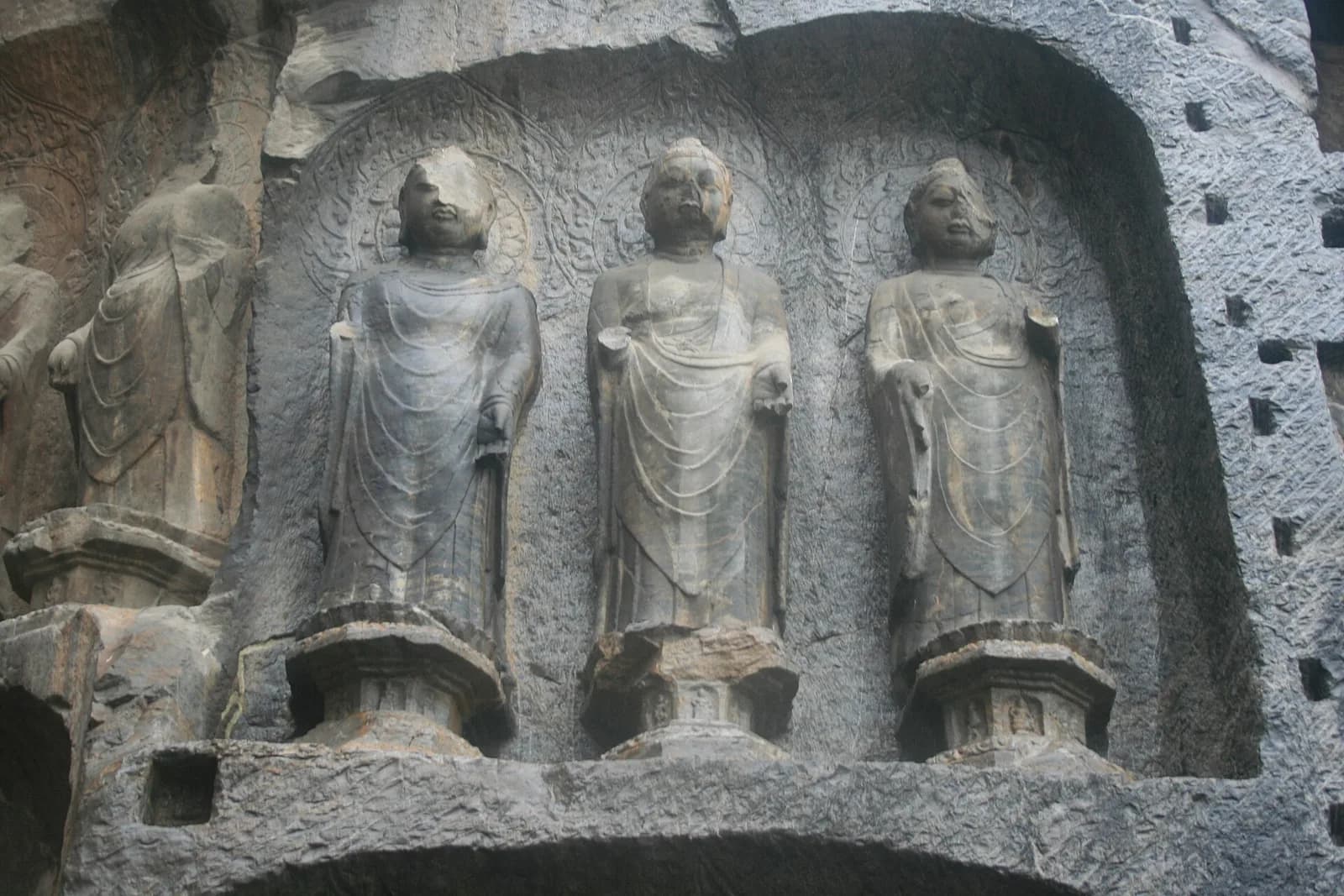
Attendant bodhisattvas, Fengxian Temple
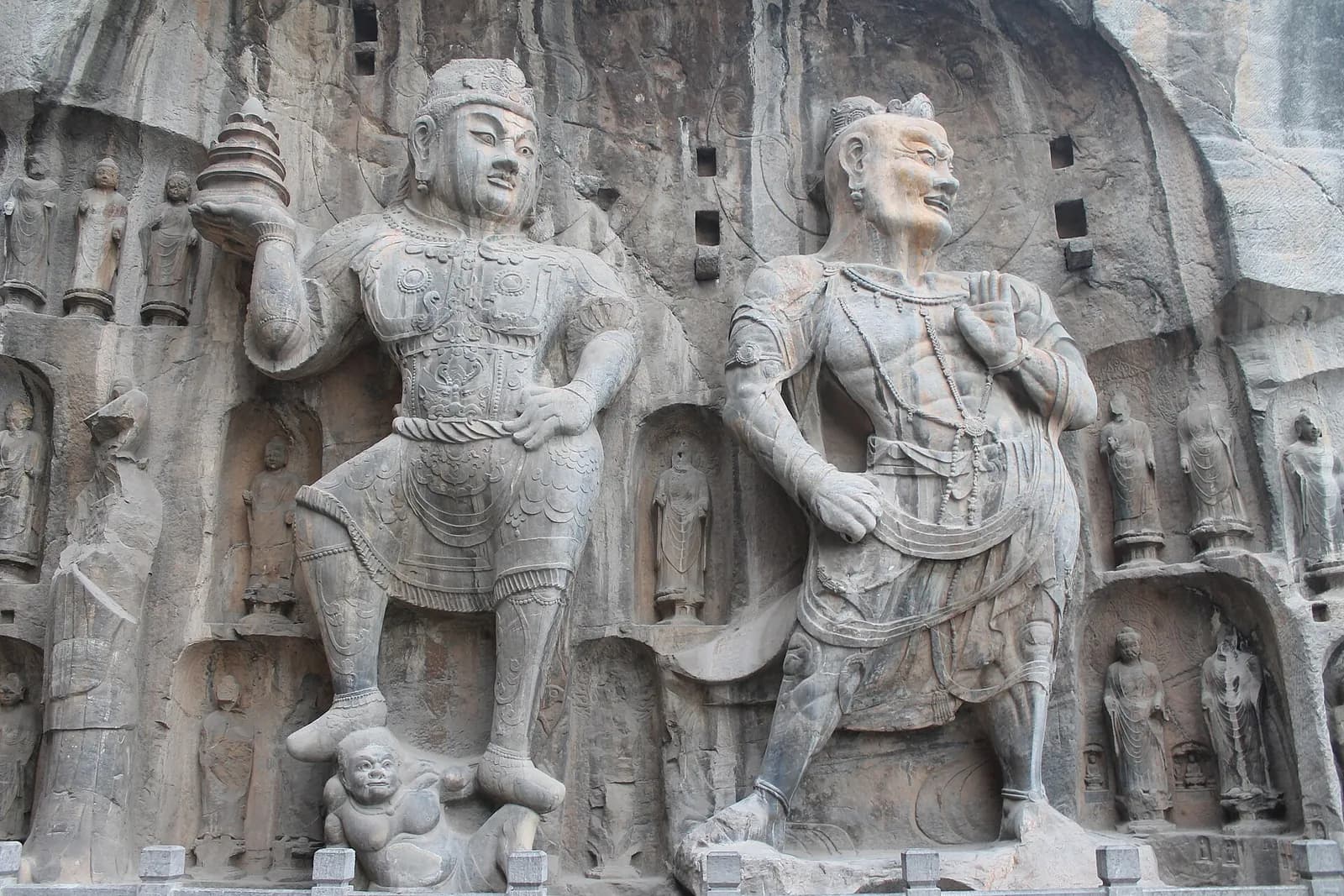
Standing bodhisattvas
Dominik Tefert · Public domain
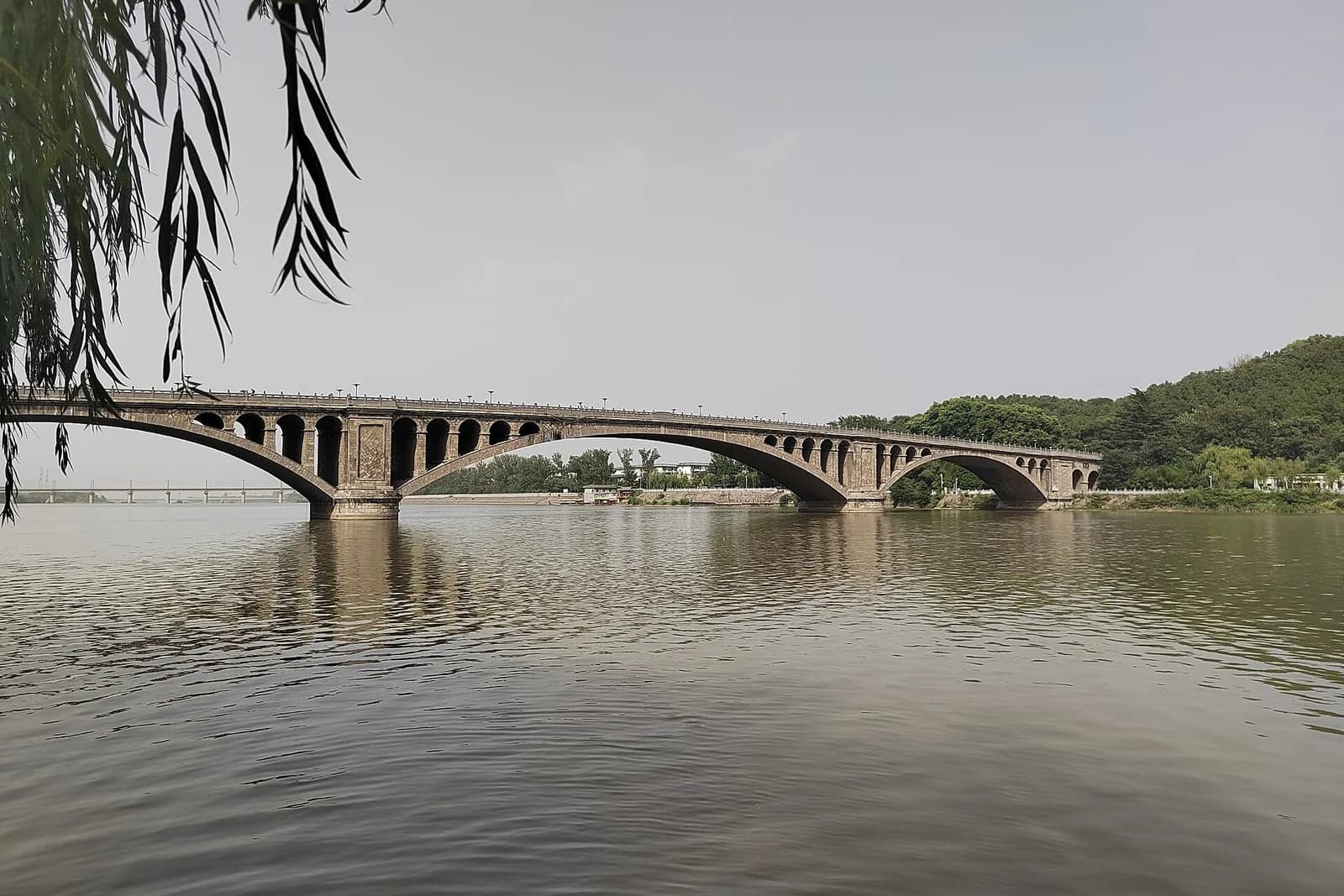
The Longmen bridge over the Yi river
Источник
Вырубка началась около 493 года н. э., когда Северная Вэй перенесла столицу в Лоян, и продолжалась при Восточной и Западной Вэй, Северной Ци, Суй, Тан и Сун — более четырёх веков непрерывной работы. Сохранилось свыше 2 300 ниш и пещер, около 100 000 фигур и 2 800 надписей. В 2000 году включены в Список всемирного наследия ЮНЕСКО.
Что смотреть
- Будда Вайрочана в храме Фэнсянь: высота 17,14 м, шедевр танской императорской пещерной скульптуры и главный образ этого места.
- Три пещеры Биньян: императорские пещеры Северной Вэй. Рельефы с императорскими процессиями вывезены в зарубежные собрания, но сами пещеры остаются эталоном искусства Северной Вэй.
- Пещера Ваньфо (Десяти тысяч будд): 15 000 мелких фигур, плотно вырезанных на обеих боковых стенах.
- Храм Сяншань и сад Бай на восточном берегу, где похоронен танский поэт Бай Цзюйи, — обычно посещают в тот же день.
Практические замечания
Берега два: западный и восточный; лучшее резное убранство — на западном, поэтому начинайте с него. Предстоит четыре–пять километров пешком, обувь нужна подходящая. С апреля по октябрь гроты открыты вечером, и подсвеченные фигуры выглядят совершенно иначе, чем днём; стоит отдельного визита. В высокий сезон бронируйте онлайн заранее.