
อันหยาง
อินซวี (ซากเมืองอิน)
- จากเจิ้งโจว
- รถไฟความเร็วสูงประมาณ 1.5 ชั่วโมง
- เวลาที่ควรเผื่อ
- ครึ่งวันถึงหนึ่งวัน
- ฤดูที่เหมาะ
- ได้ตลอดปี ฤดูใบไม้ผลิและใบไม้ร่วงสบายที่สุด
จากเว็บไซต์ทางการ
สถานที่แนะนำตัวเองผ่านเว็บไซต์ทางการ
ถอดความจากเว็บไซต์ทางการของผู้ดำเนินการ พร้อมวันที่เราเข้าดู และเป็นอิสระจากคำบรรยายของเราเองด้านบน
Yin Xu is the site of the late Shang capital. In 1300 BCE King Pan Geng moved the court to what is now the area around Xiaotun village northwest of Anyang; the city was known as Yin and served eight generations and twelve kings over 255 years. It holds China's first Shang capital attested both in documents and by oracle-bone and archaeological evidence, its earliest systematic script, its earliest chariot-and-horse pits, the tomb of Fu Hao — its earliest woman general — and the Simuwu ding, the largest bronze vessel yet excavated anywhere in the world. City, script and bronze are its three defining elements.
- What it is
- The site of the late Shang capital
- Capital
- Pan Geng moved the capital here in 1300 BCE; eight generations, twelve kings, 255 years
- Oracle bones
- China's earliest systematic script; the YH127 pit alone yielded over ten thousand pieces in 1936
- Simuwu ding
- 133 cm high, 110 cm across the mouth, 875 kg — the largest bronze vessel yet excavated
- Tomb of Fu Hao
- Excavated in 1976; 1,928 grave goods, including over 460 bronzes, over 750 jades and some 6,800 shell coins
- Royal cemetery
- 2.14 hectares; twelve royal tombs and more than 2,000 sacrificial pits and attendant burials
- Yachang ox zun
- 40 cm long, 22.5 cm high with its lid, 7.1 kg — the site's only ox-shaped bronze zun
จุดชมหลัก
Palace and ancestral temple site
A century of excavation has yielded quantities of oracle bones, bronzes, jades and hardstone objects.
Royal cemetery
The burial and sacrificial ground of the late Shang kings — the earliest complete royal cemetery known in China.
Oracle-bone pit
Pit YH127, where more than ten thousand pieces were found together, is called China's earliest oracle-bone archive.
Chariot-and-horse pits
The earliest physical evidence of animal-drawn vehicles found in China; six chariots with road traces are displayed, largely intact.
Tomb of Fu Hao
The only royal tomb at the site found unlooted, and the only one whose occupant and date can be fixed against the oracle bones.
ภาพสถานที่
These photographs are openly licensed for commercial use (from Wikimedia Commons: CC0, CC BY, CC BY-SA or public domain) and are not the attraction's own gallery. Each photo is credited below with its author and licence, linked to the original file.
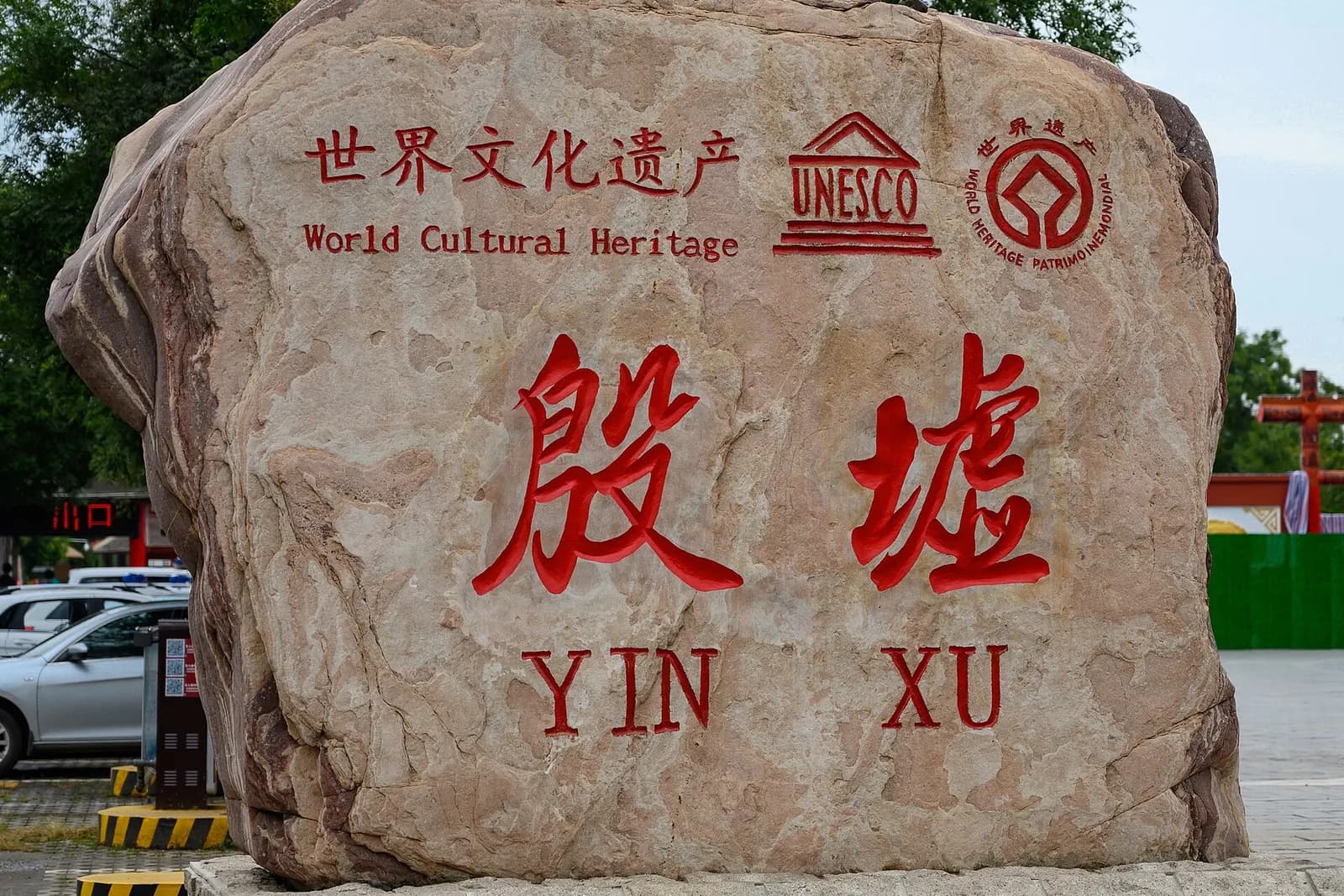
The Yinxu marker stone
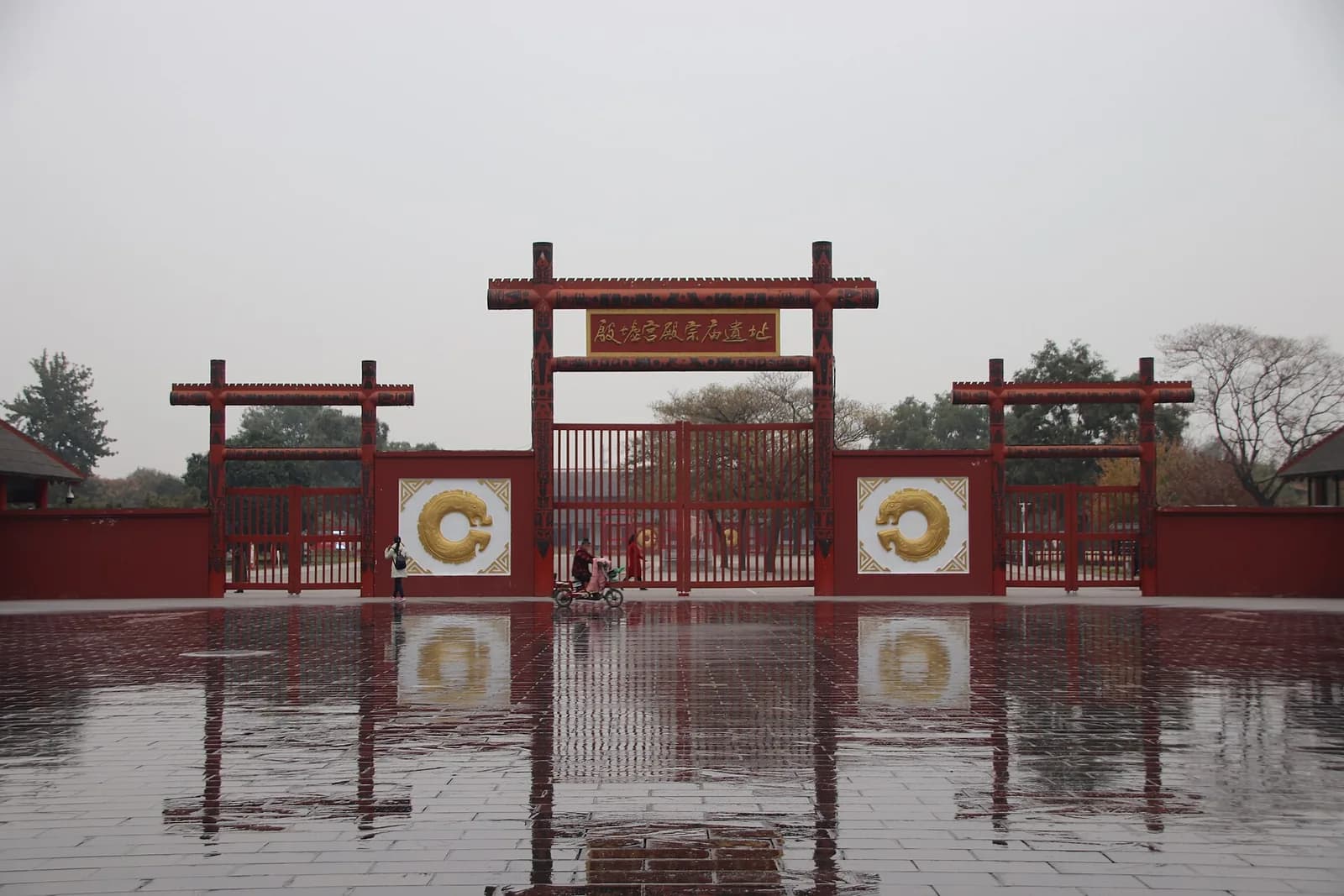
Entrance to the palace and temple site
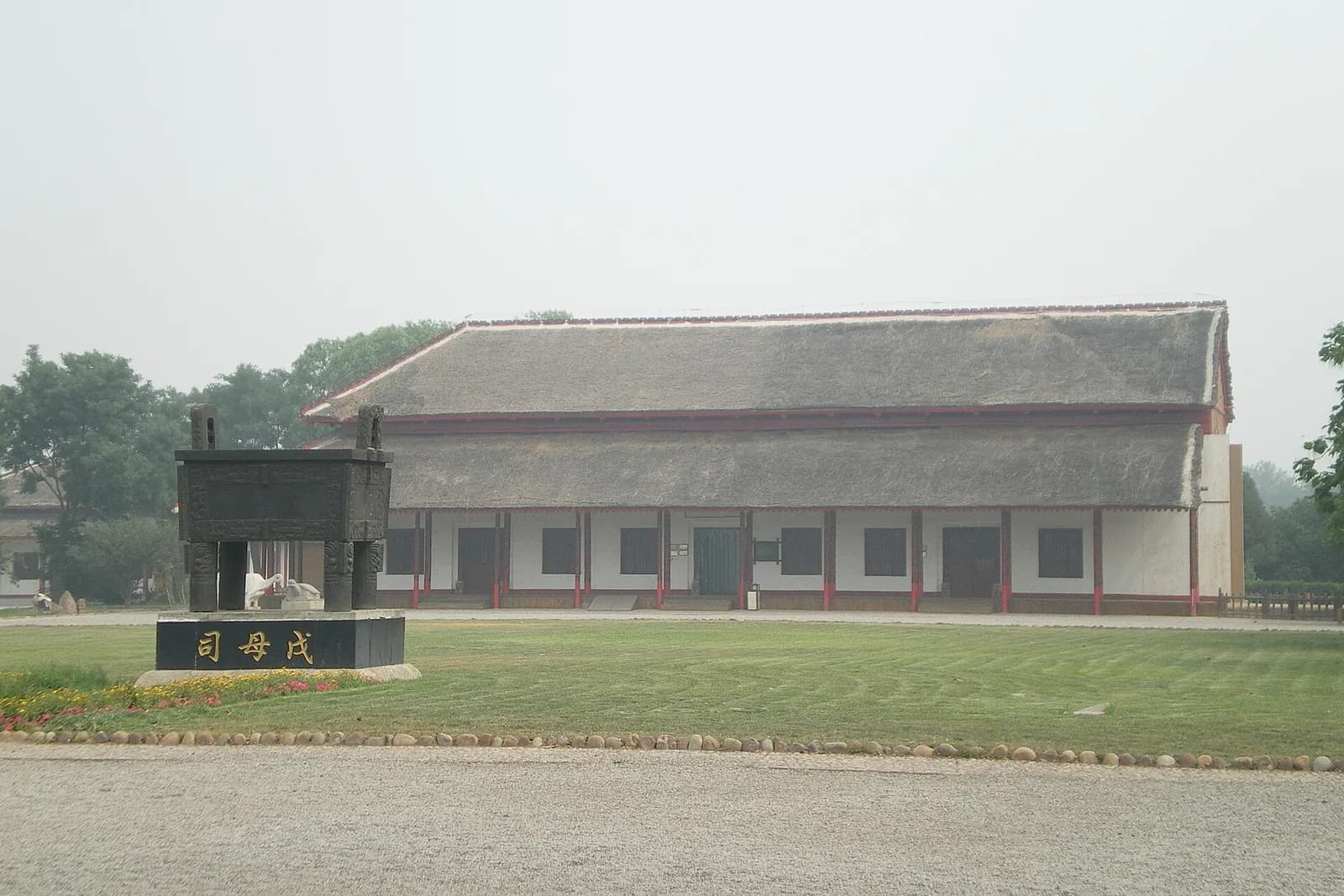
A reconstructed hall on the site
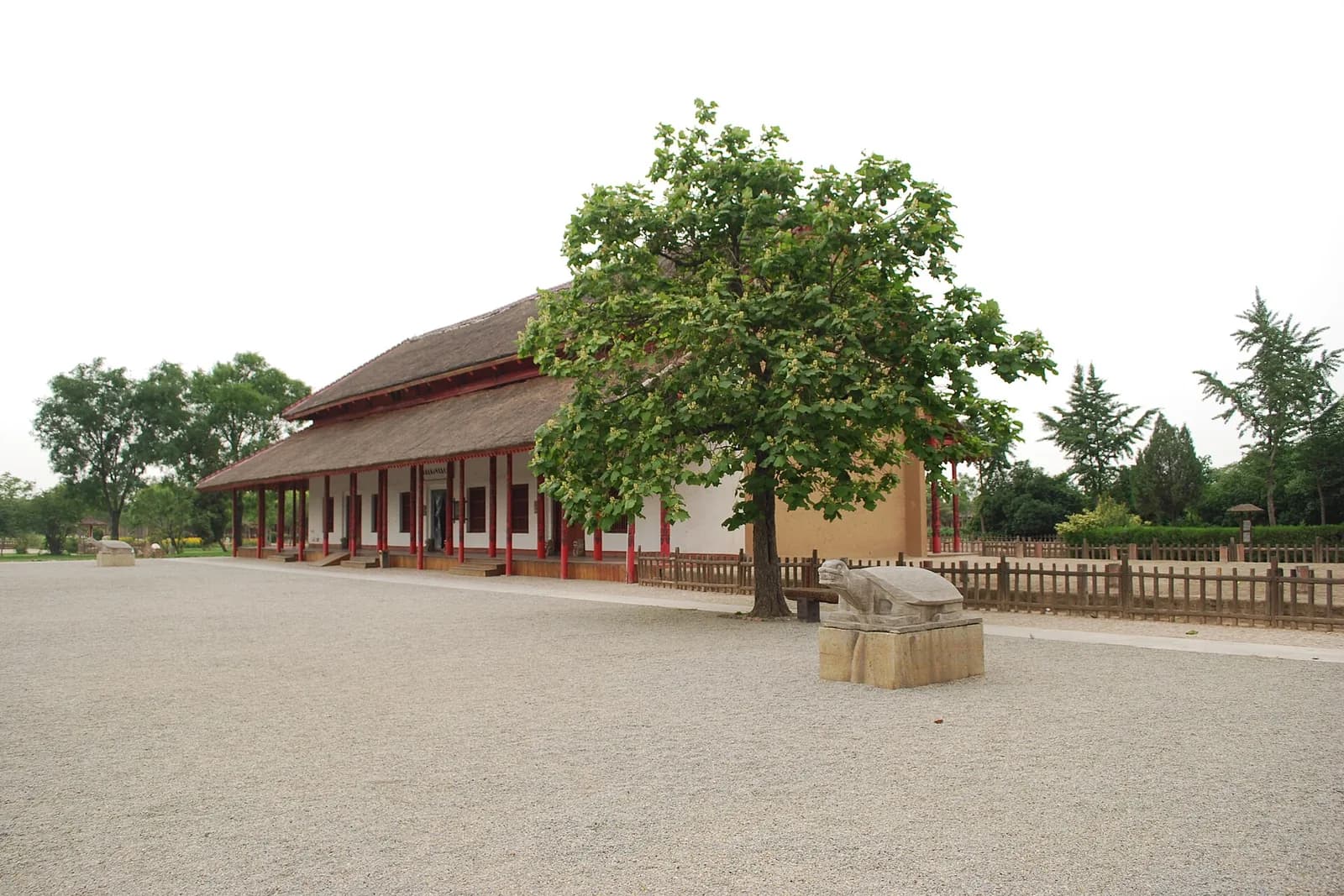
The reconstructed Yi-20 Shang hall
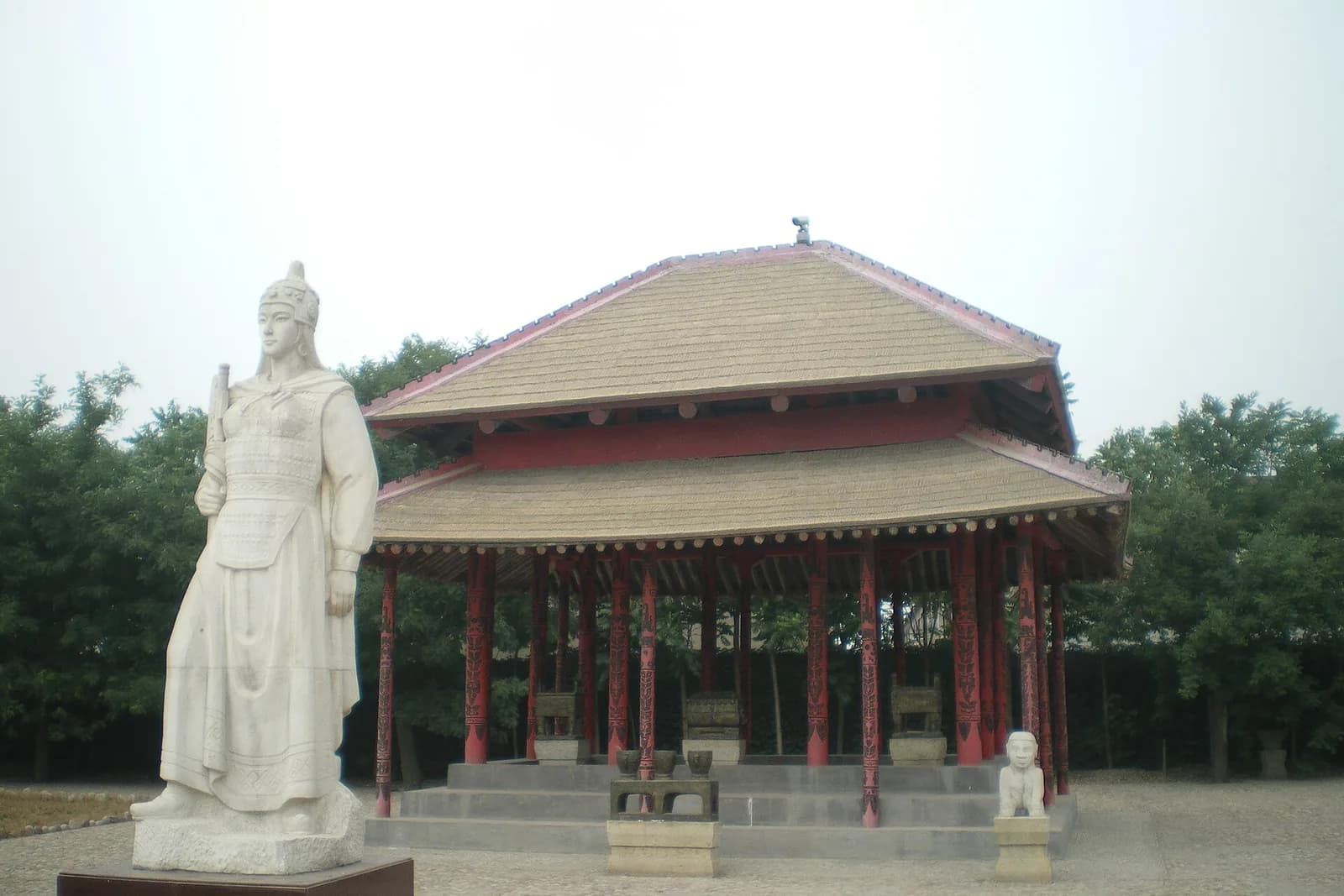
The statue of Fu Hao before a hall
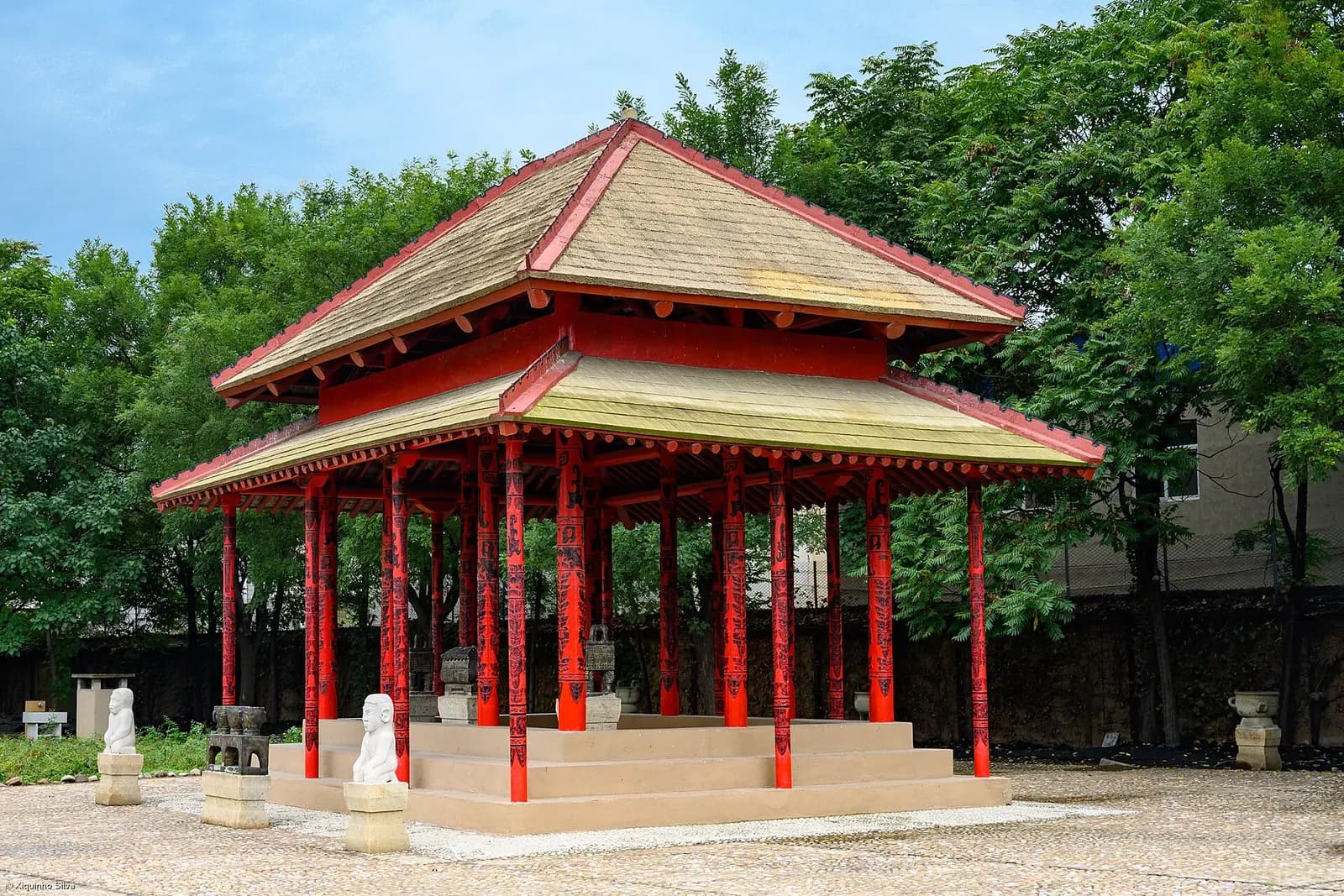
A reconstructed pavilion at the royal tombs
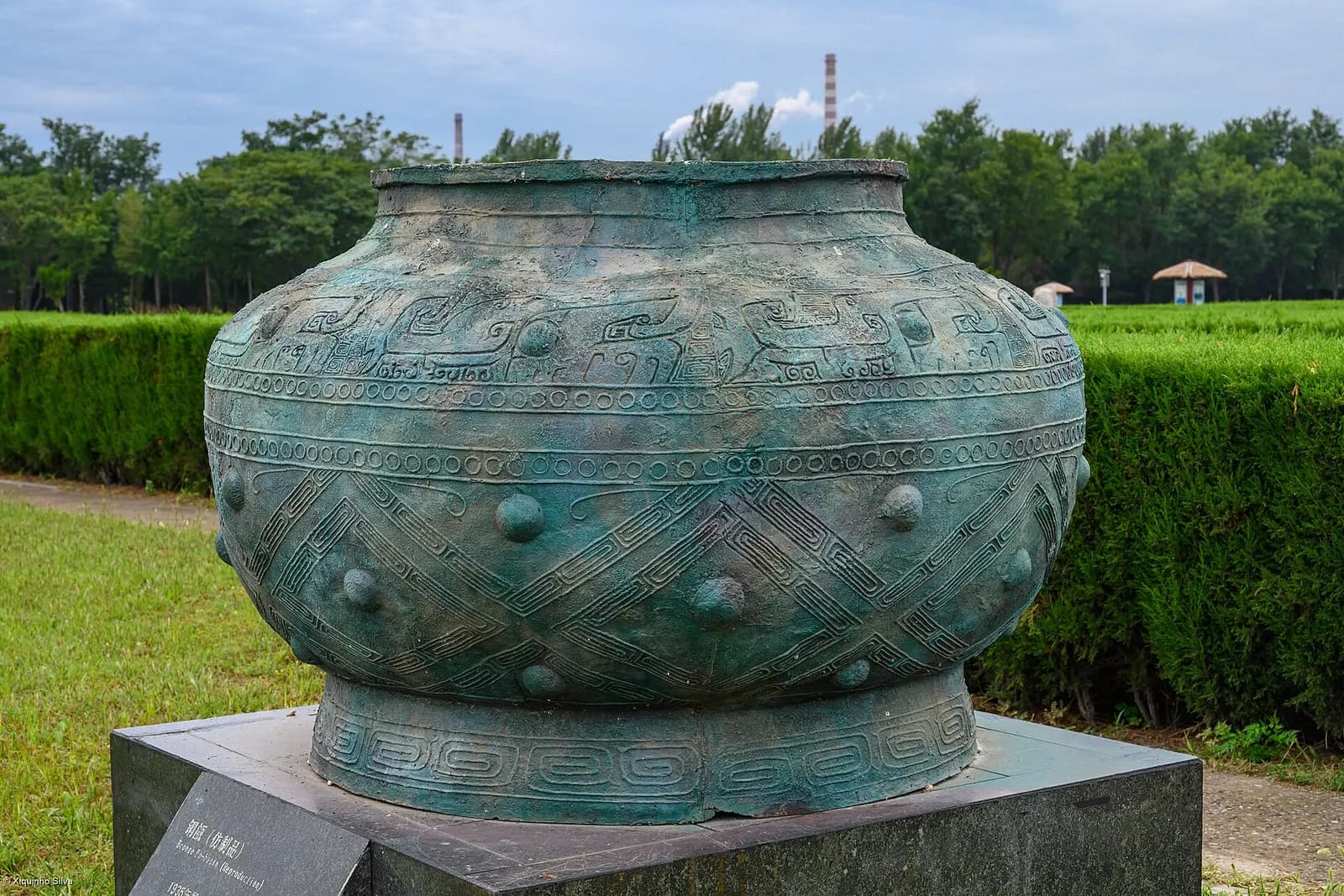
A bronze replica at the royal tombs
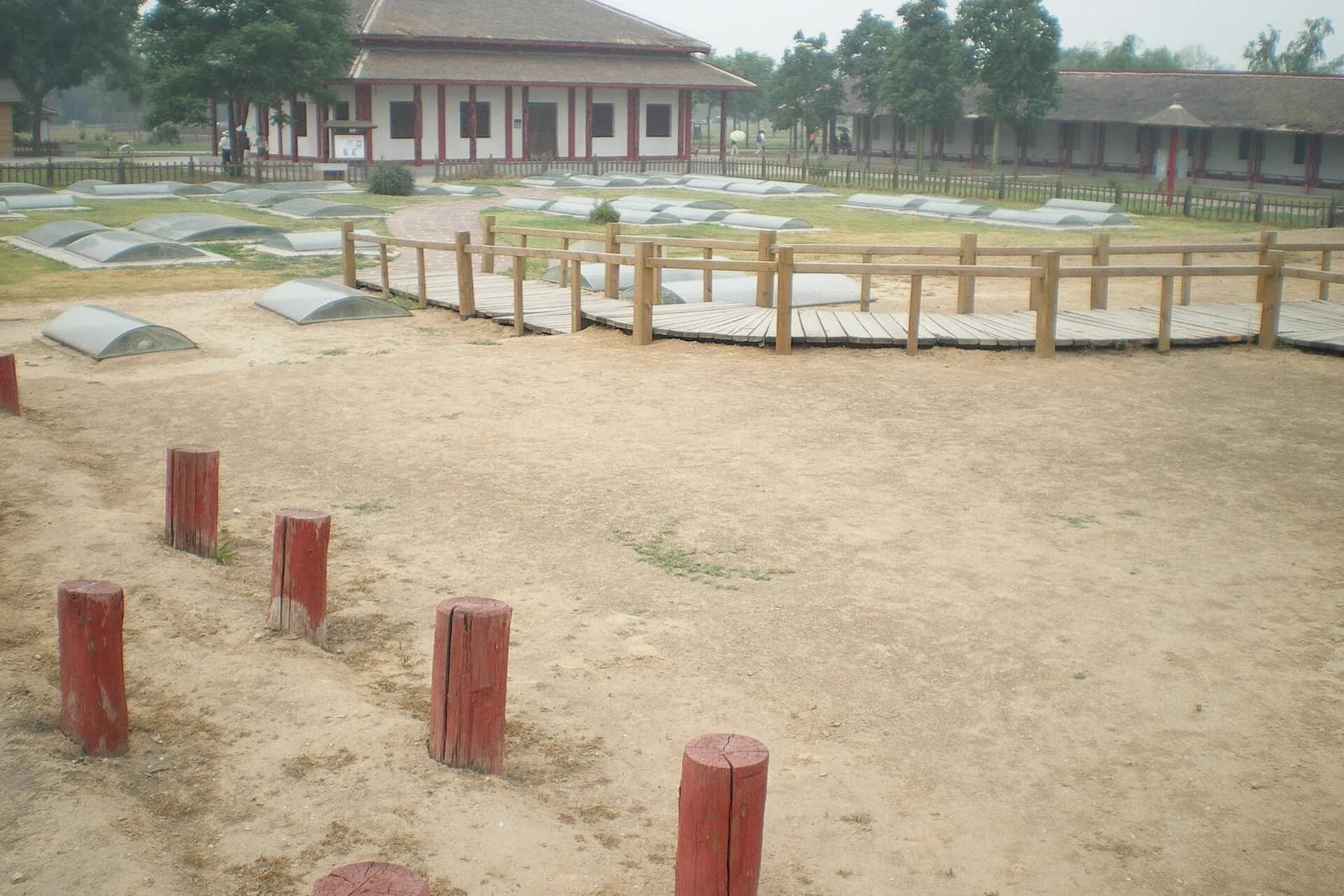
Palace foundations
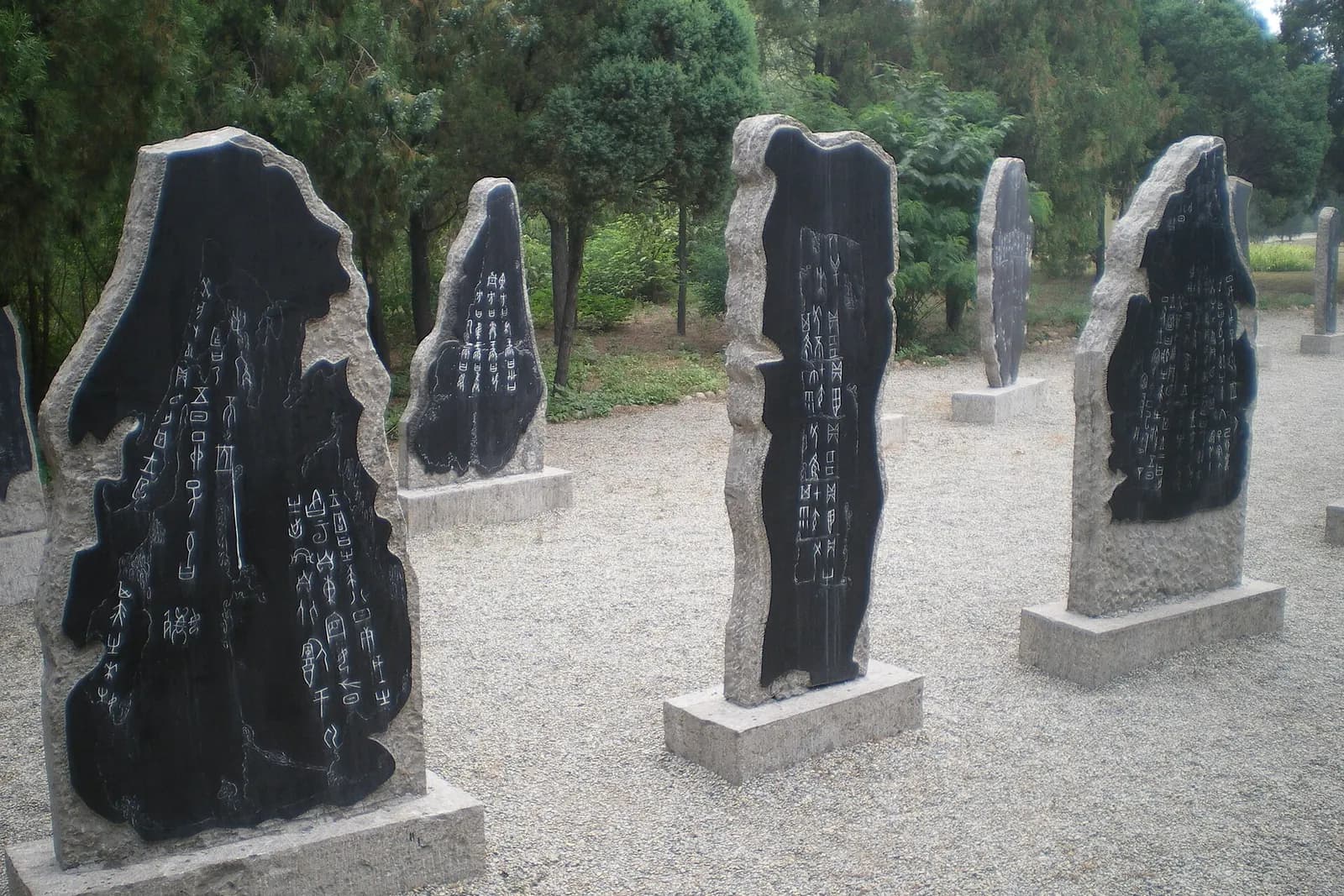
Inscribed steles
แหล่งข้อมูล
เมืองหลวงของราชวงศ์ซางตอนปลาย ตั้งแต่ราว 1300 ปีก่อนคริสตกาลเมื่อพานเกิงย้ายราชสำนักมาที่อิน จนถึงการล่มสลายของราชวงศ์ มีแปดรุ่นสิบสองกษัตริย์ปกครองที่นี่รวม 254 ปี ที่นี่เป็นแหล่งค้นพบอักษรกระดูกเสี่ยงทาย และเป็นที่กำเนิดของโบราณคดีสมัยใหม่ของจีน ขึ้นทะเบียนมรดกโลกยูเนสโกในปี 2006
จุดน่าสนใจ
- เขตพระราชวังและวัดบรรพบุรุษ พบฐานอาคารดินอัดขนาดใหญ่ที่ขุดพบแล้วหลายสิบแห่ง
- สุสานฟู่ฮ่าว ขุดพบปี 1976 เป็นสุสานหลวงสมัยซางแห่งเดียวในพื้นที่ที่ไม่ได้ถูกโจรกรรม มีของฝังศพกว่า 1,900 ชิ้น
- หลุมกระดูกเสี่ยงทาย YH127 ซึ่งให้ชิ้นส่วนกว่า 17,000 ชิ้นจากการขุดครั้งเดียว
- พิพิธภัณฑ์อินซวีแห่งใหม่ เปิดปี 2024 ควรเข้าพิพิธภัณฑ์ก่อนแล้วจึงไปชมซากเมือง
ข้อควรรู้
เขตโบราณสถานกว้างใหญ่และส่วนใหญ่เป็นฐานดินอัดที่มีป้ายบอกระดับพื้น การเข้าพิพิธภัณฑ์ก่อนทำให้เข้าใจพื้นที่ได้ชัดขึ้นมาก ฤดูร้อนมีร่มเงาน้อย รถไฟความเร็วสูงระหว่างอันหยางกับเจิ้งโจวมีบ่อย จึงเที่ยวแบบไปเช้าเย็นกลับได้