
آنيانغ
آثار يين
- من تشنغتشو
- نحو ١٫٥ ساعة بالقطار السريع
- الوقت المطلوب
- من نصف يوم إلى يوم كامل
- أفضل موسم
- طوال العام؛ والربيع والخريف ألطف
من الموقع الرسمي
الموقع السياحي يعرّف بنفسه عبر موقعه الرسمي
منقول من الموقع الرسمي للمشغّل مع تاريخ اطّلاعنا عليه، ومستقل عن الوصف أعلاه الذي كتبناه بأنفسنا.
Yin Xu is the site of the late Shang capital. In 1300 BCE King Pan Geng moved the court to what is now the area around Xiaotun village northwest of Anyang; the city was known as Yin and served eight generations and twelve kings over 255 years. It holds China's first Shang capital attested both in documents and by oracle-bone and archaeological evidence, its earliest systematic script, its earliest chariot-and-horse pits, the tomb of Fu Hao — its earliest woman general — and the Simuwu ding, the largest bronze vessel yet excavated anywhere in the world. City, script and bronze are its three defining elements.
- What it is
- The site of the late Shang capital
- Capital
- Pan Geng moved the capital here in 1300 BCE; eight generations, twelve kings, 255 years
- Oracle bones
- China's earliest systematic script; the YH127 pit alone yielded over ten thousand pieces in 1936
- Simuwu ding
- 133 cm high, 110 cm across the mouth, 875 kg — the largest bronze vessel yet excavated
- Tomb of Fu Hao
- Excavated in 1976; 1,928 grave goods, including over 460 bronzes, over 750 jades and some 6,800 shell coins
- Royal cemetery
- 2.14 hectares; twelve royal tombs and more than 2,000 sacrificial pits and attendant burials
- Yachang ox zun
- 40 cm long, 22.5 cm high with its lid, 7.1 kg — the site's only ox-shaped bronze zun
أبرز المعالم
Palace and ancestral temple site
A century of excavation has yielded quantities of oracle bones, bronzes, jades and hardstone objects.
Royal cemetery
The burial and sacrificial ground of the late Shang kings — the earliest complete royal cemetery known in China.
Oracle-bone pit
Pit YH127, where more than ten thousand pieces were found together, is called China's earliest oracle-bone archive.
Chariot-and-horse pits
The earliest physical evidence of animal-drawn vehicles found in China; six chariots with road traces are displayed, largely intact.
Tomb of Fu Hao
The only royal tomb at the site found unlooted, and the only one whose occupant and date can be fixed against the oracle bones.
الصور
These photographs are openly licensed for commercial use (from Wikimedia Commons: CC0, CC BY, CC BY-SA or public domain) and are not the attraction's own gallery. Each photo is credited below with its author and licence, linked to the original file.
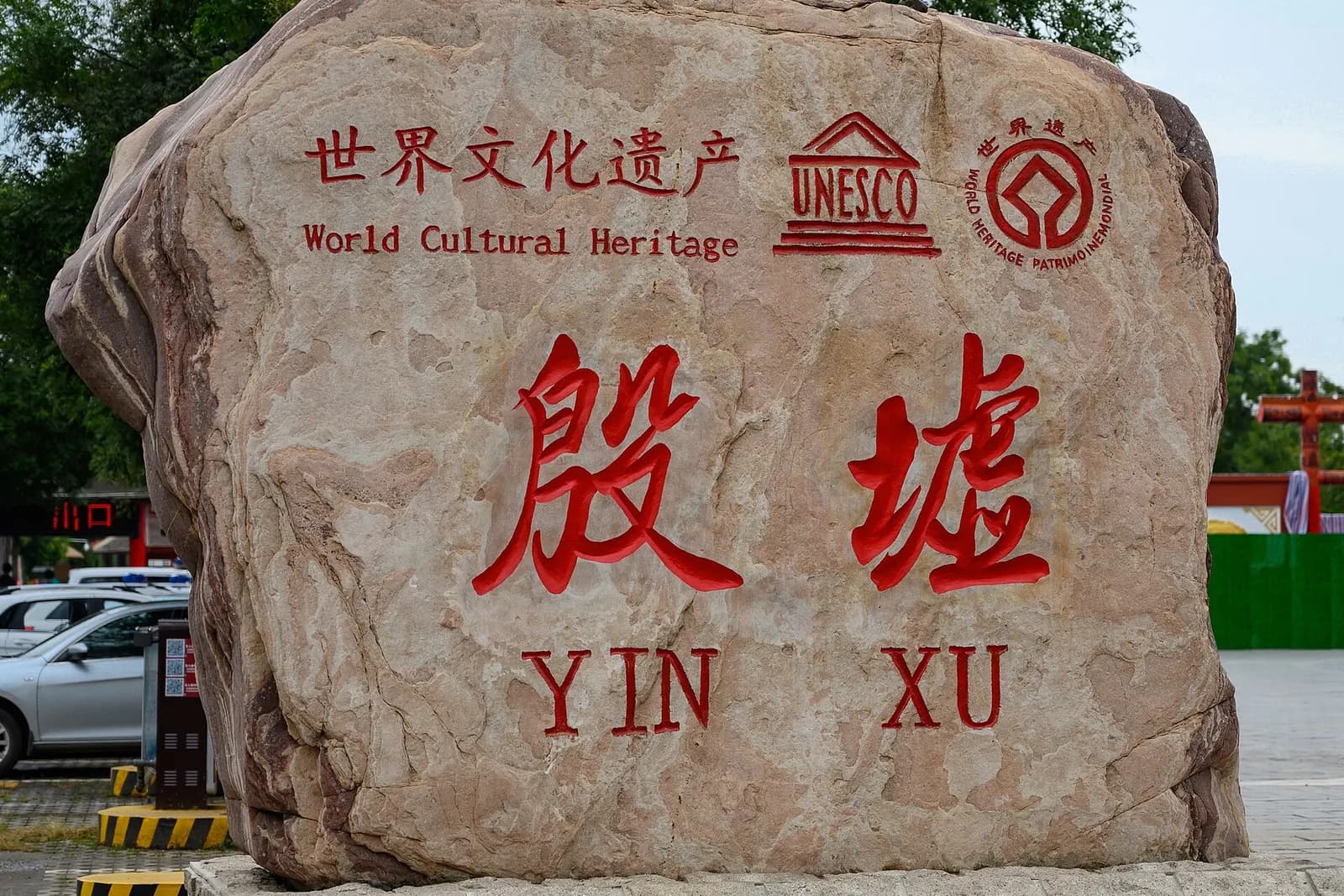
The Yinxu marker stone
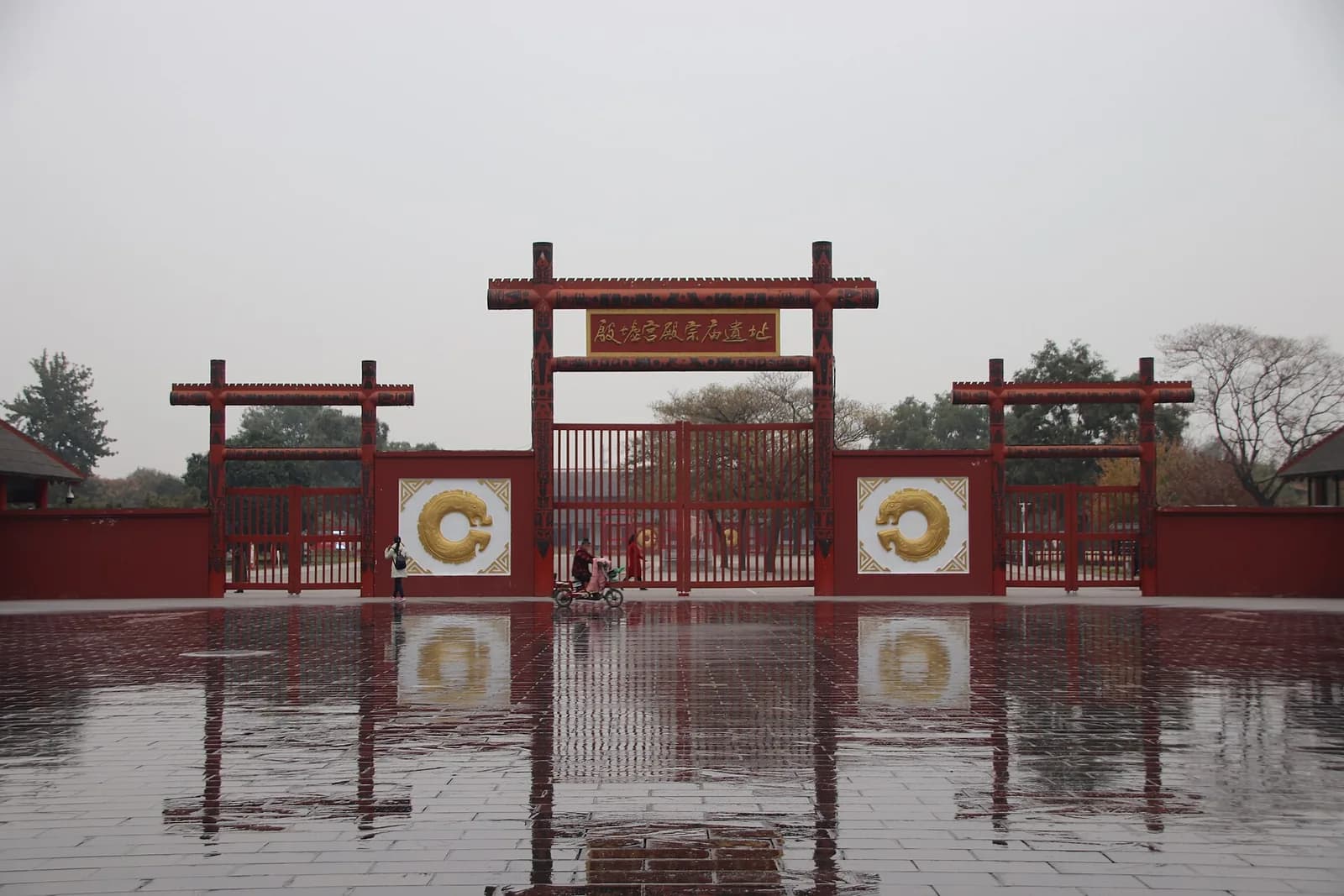
Entrance to the palace and temple site
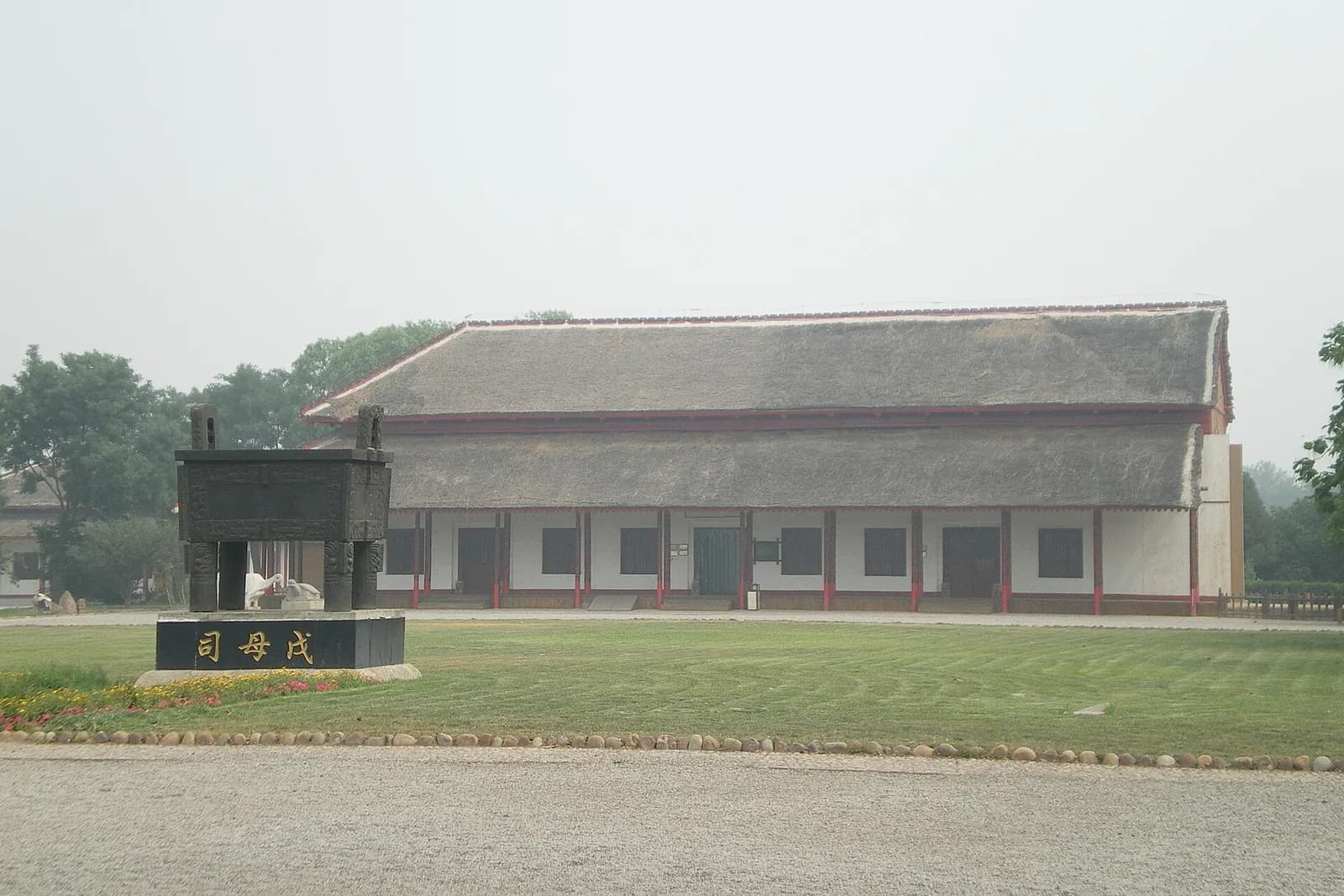
A reconstructed hall on the site
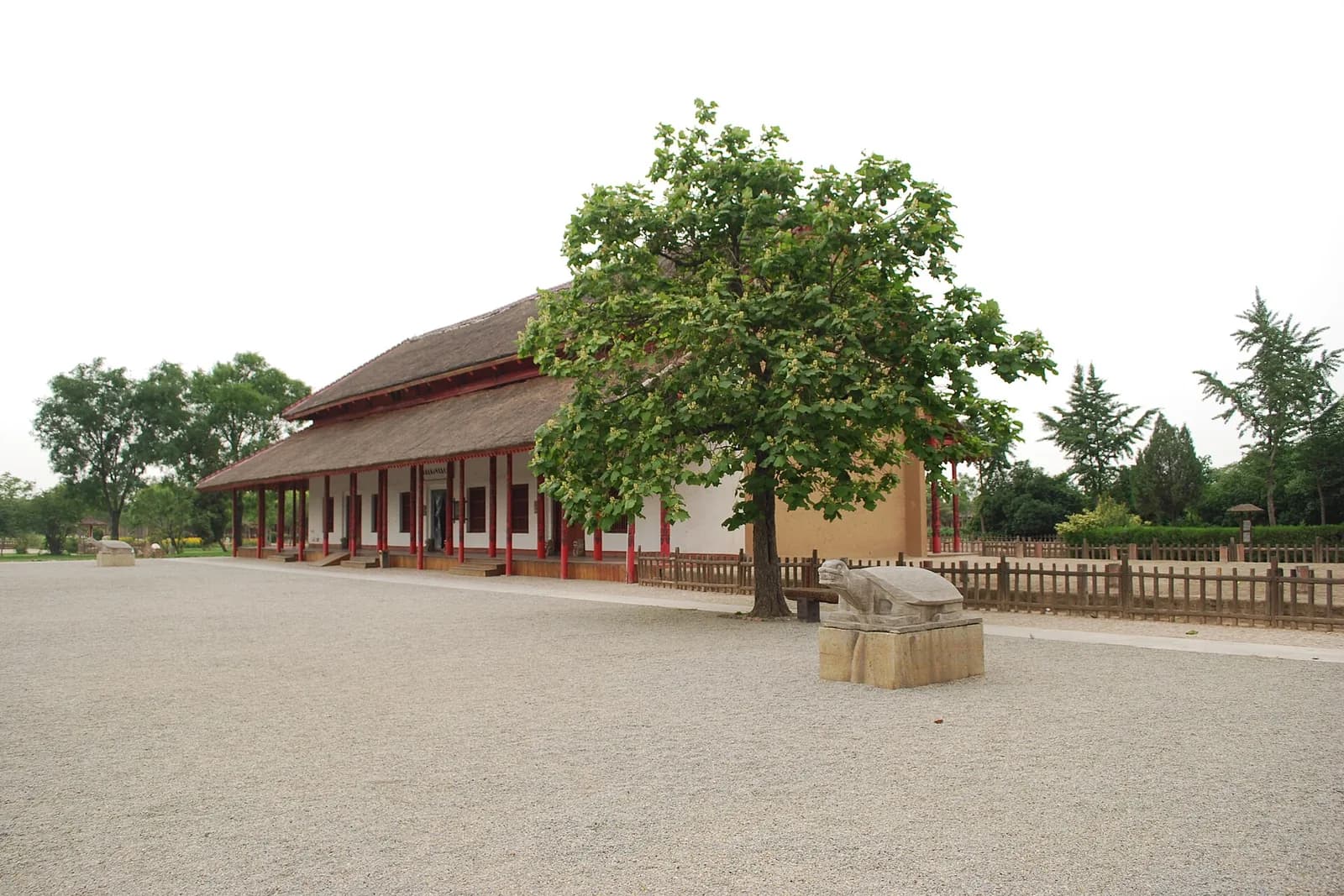
The reconstructed Yi-20 Shang hall
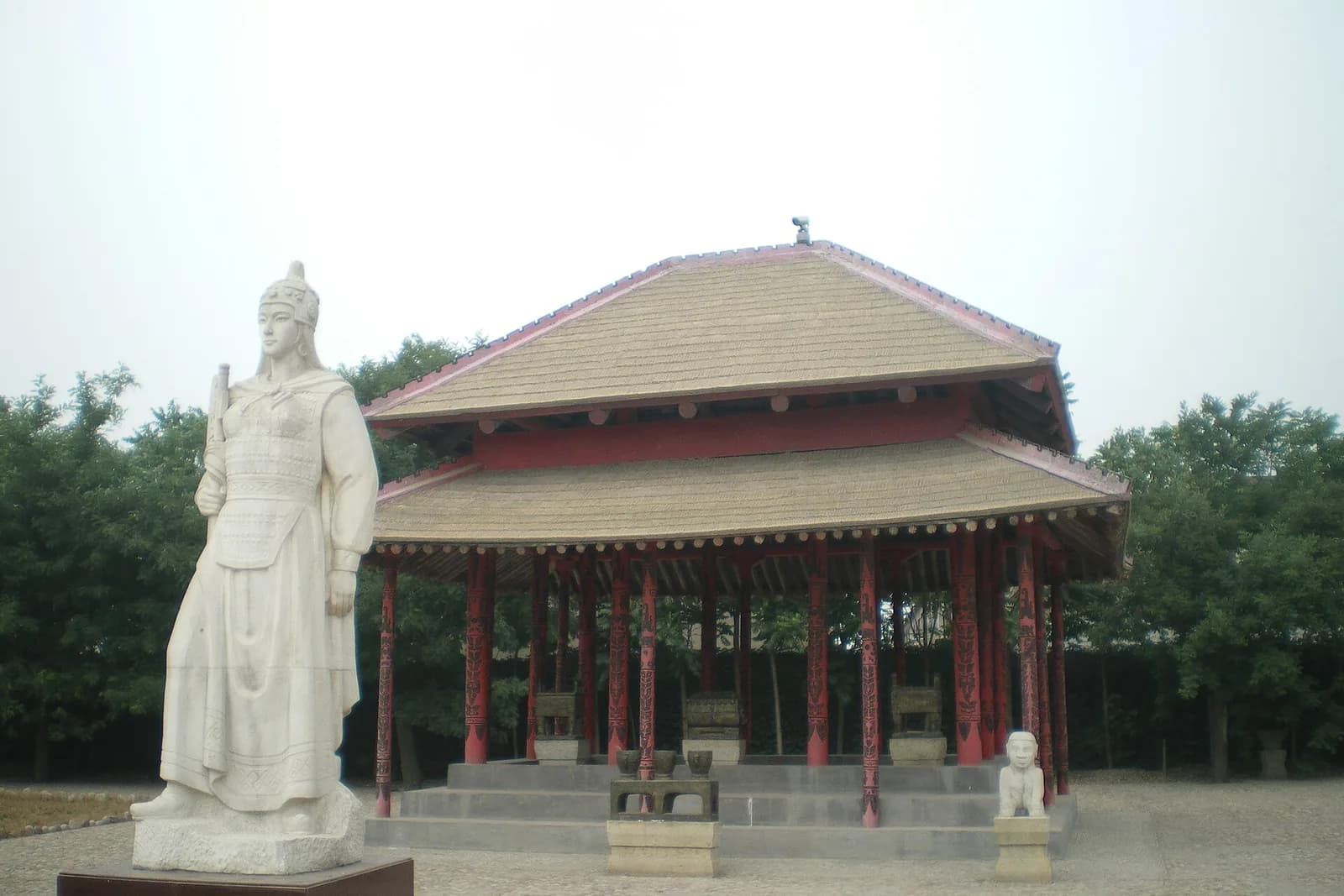
The statue of Fu Hao before a hall
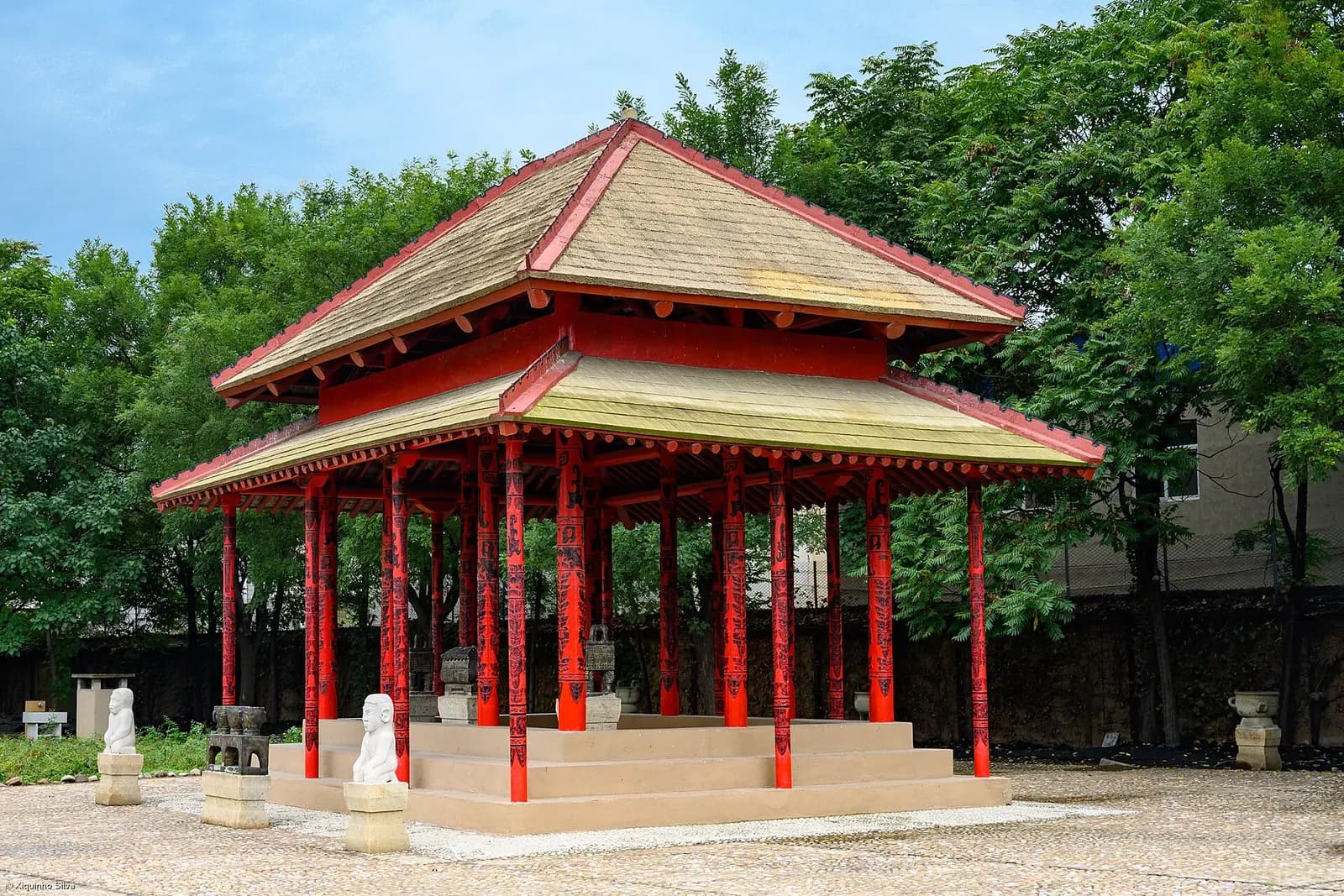
A reconstructed pavilion at the royal tombs
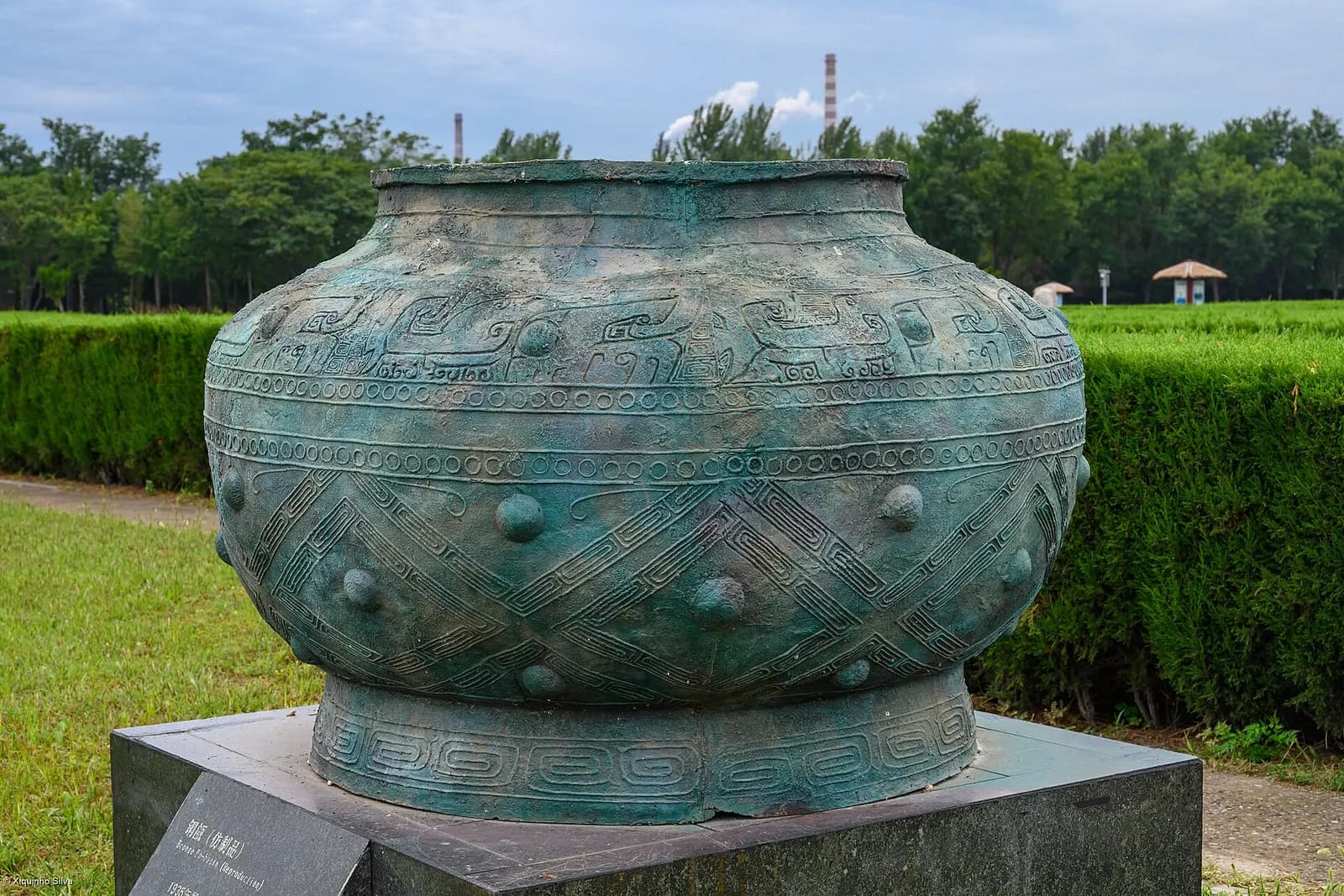
A bronze replica at the royal tombs
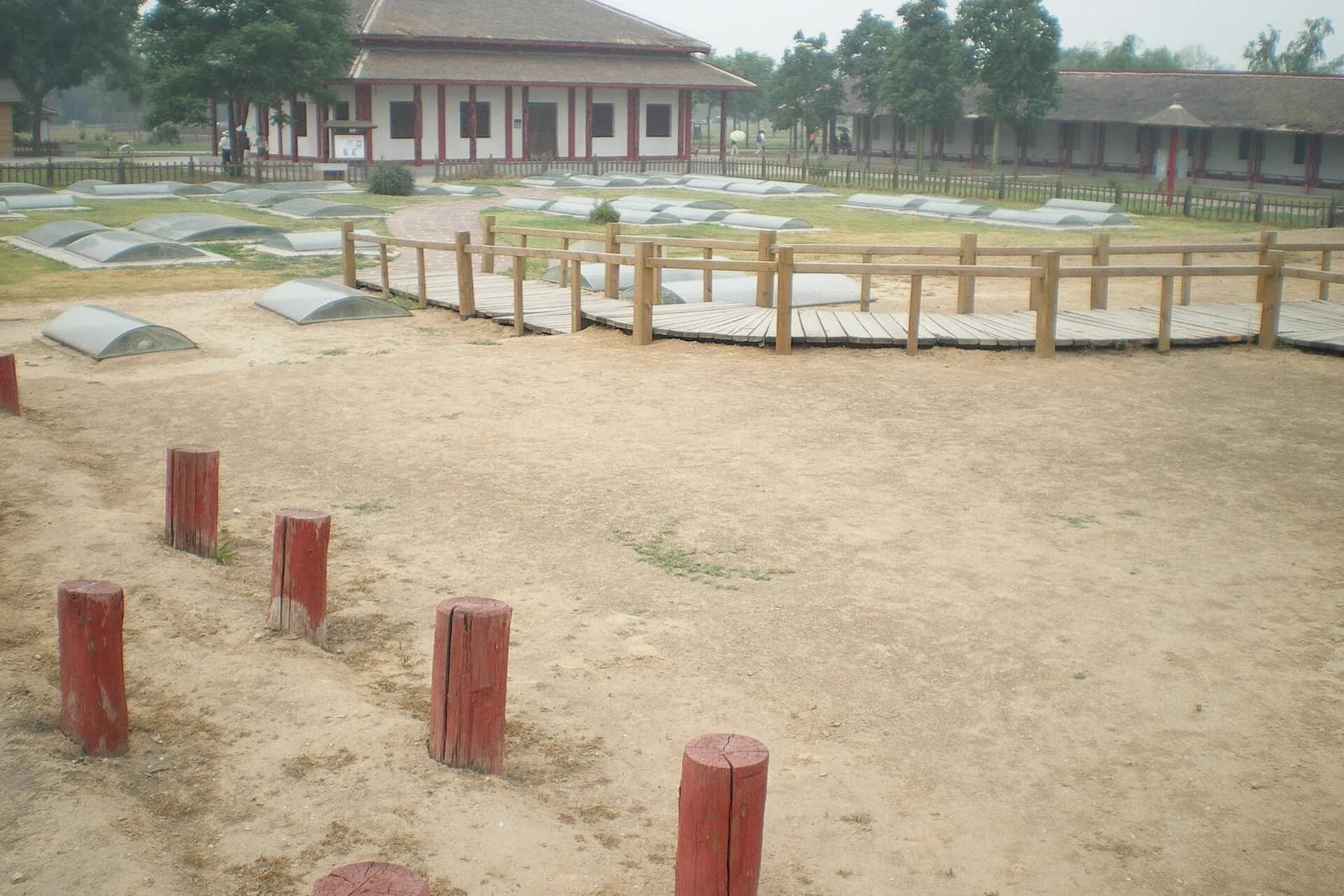
Palace foundations
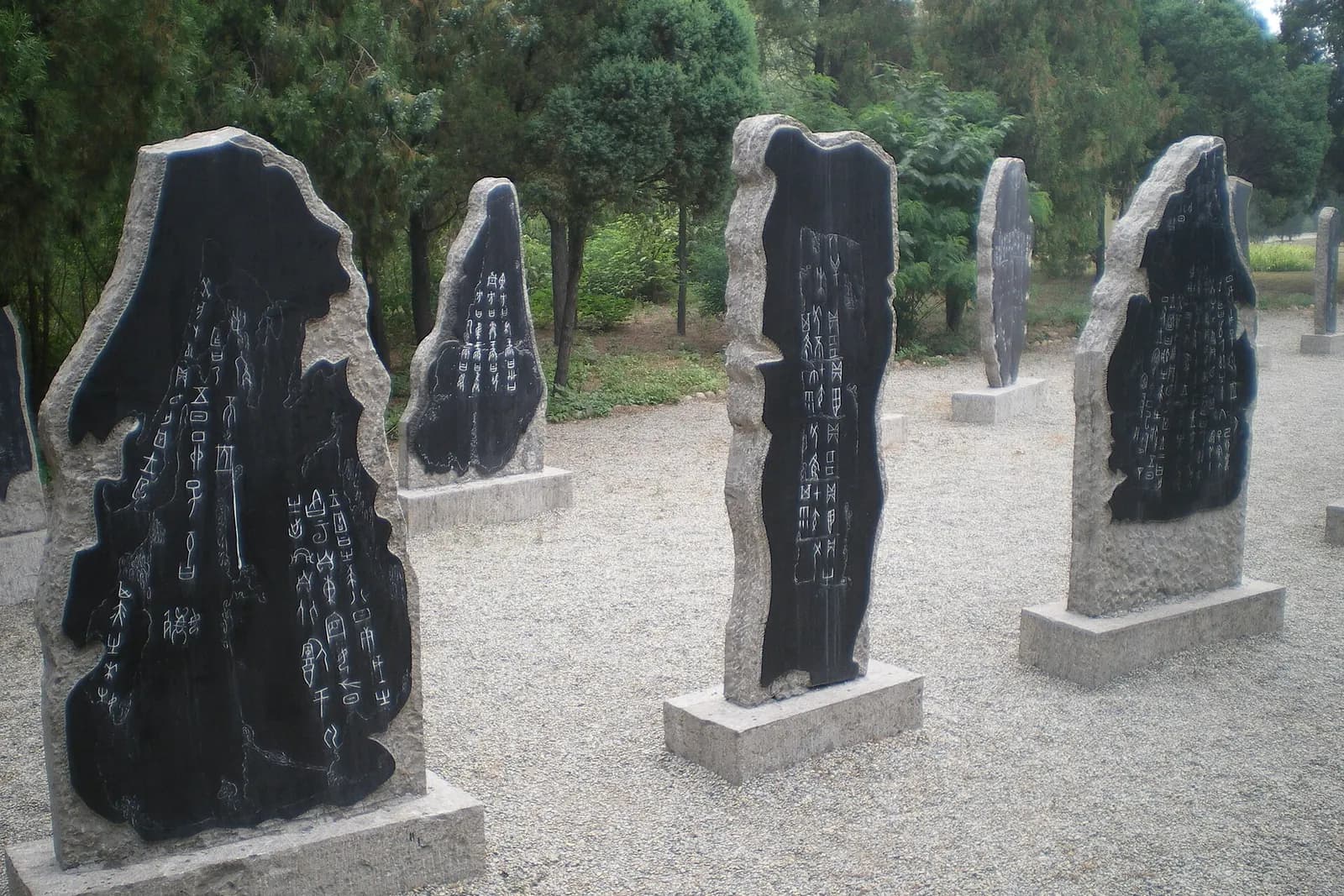
Inscribed steles
عاصمة أواخر عهد شانغ. من نحو ١٣٠٠ ق.م، حين نقل بانغ قنغ البلاط إلى يين، وحتى سقوط السلالة، حكم من هنا ثمانية أجيال واثنا عشر ملكًا على مدى ٢٥٤ عامًا. في هذا الموقع اكتُشفت كتابة عظام التنبؤ، ومنه وُلد علم الآثار الصيني الحديث. أُدرج على قائمة التراث العالمي لليونسكو عام ٢٠٠٦.
ما تراه
- منطقة القصور ومعابد الأجداد: عشرات منصات المباني الطينية المدكوكة المكتشفة.
- قبر فو هاو، المكتشف عام ١٩٧٦ — وهو القبر الملكي الوحيد من عهد شانغ في الموقع الذي لم يُنهب، وضم أكثر من ١٩٠٠ قطعة جنائزية.
- حفرة عظام التنبؤ YH127 التي أنتجت أكثر من ١٧٠٠٠ قطعة في حفرية واحدة.
- متحف يين الجديد، المفتوح عام ٢٠٢٤: ابدأ به ثم اذهب إلى الآثار.
ملاحظات عملية
المنطقة الأثرية واسعة وتتكون أساسًا من منصات طينية مدكوكة وعلامات أرضية. والبدء بالمتحف يجعل الموقع أوضح بكثير. الظل قليل صيفًا. القطارات السريعة بين آنيانغ وتشنغتشو متكررة، لذا تصلح كرحلة يوم واحد.