
دينغفنغ، تشنغتشو
معبد شاولين وجبل سونغ
- من تشنغتشو
- نحو ١٫٥ ساعة بالسيارة
- الوقت المطلوب
- يوم كامل
- أفضل موسم
- أبريل–يونيو، سبتمبر–نوفمبر
من الموقع الرسمي
الموقع السياحي يعرّف بنفسه عبر موقعه الرسمي
منقول من الموقع الرسمي للمشغّل مع تاريخ اطّلاعنا عليه، ومستقل عن الوصف أعلاه الذي كتبناه بأنفسنا.
Shaolin Temple stands on the southern slope of Taishi Mountain northwest of Dengfeng, facing Shaoshi Mountain and backed by Wuru Peak; it takes its name from the dense forest on Shaoshi's shaded side. It was founded in 496 (the twentieth year of Taihe, Northern Wei) by the Indian monk Buddhabhadra, and in 527 the South Indian monk Bodhidharma arrived and began teaching Chan to a growing body of followers. The temple rose and fell repeatedly, prospered from the early Tang, peaked in the Ming and declined after the Qing. It comprises the Kernel Compound, the Pagoda Forest, Chuzu Temple, Erzu Temple, Bodhidharma Cave, the Sweet Dew Terrace and scattered tomb pagodas and carvings — the cradle of Chinese Chan Buddhism and of Shaolin martial arts.
- Location
- Northwest of Dengfeng, Henan; southern slope of Taishi Mountain, shaded side of Shaoshi Mountain
- Founded
- 496 CE (twentieth year of Taihe, Northern Wei)
- Chan Buddhism
- 527 CE: Bodhidharma arrived and taught Chan
- Main complex
- The Kernel Compound runs south to north: gate, Tianwang Hall, Mahavira Hall, Dharma Hall, abbot's quarters, Lixue Pavilion, Thousand Buddha Hall, with bell and drum towers, meditation halls and the Sixth Patriarch Hall to either side
- Holdings
- 245 steles from Northern Qi to the Republic; Ming-dynasty polychrome murals of the five hundred arhats; over a hundred plaques, couplets and metal objects from Jin to Qing
- Heritage status
- Seventh batch of Major Historical and Cultural Sites Protected at the National Level; World Heritage, as part of the Historic Monuments of Dengfeng
أبرز المعالم
The Kernel Compound
The temple's main body and the place where its monks have always conducted services, on a seven-courtyard axis.
The Pagoda Forest
The tomb pagodas of successive generations of senior monks, west of the temple.
Chuzu Temple
Built in memory of Bodhidharma, the first Chan patriarch, northwest of the temple.
Bodhidharma Cave and Sweet Dew Terrace
Chan sites in the temple's surroundings.
The temple's holdings
The polychrome arhat murals and the steles dating back to the Northern Qi are the direct evidence of the temple's historical and artistic standing.
الصور
These photographs are openly licensed for commercial use (from Wikimedia Commons: CC0, CC BY, CC BY-SA or public domain) and are not the attraction's own gallery. Each photo is credited below with its author and licence, linked to the original file.
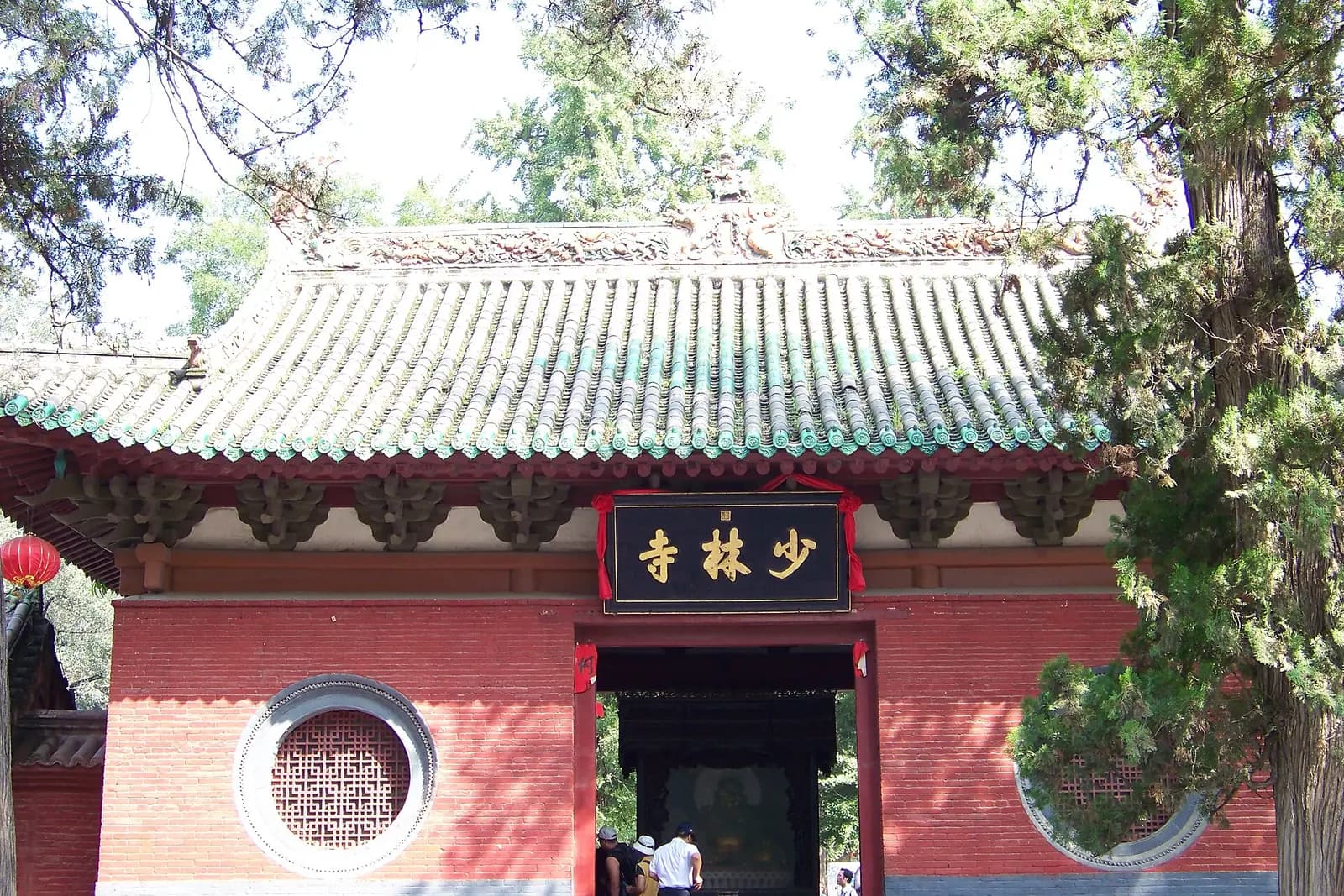
The main gate of Shaolin Temple
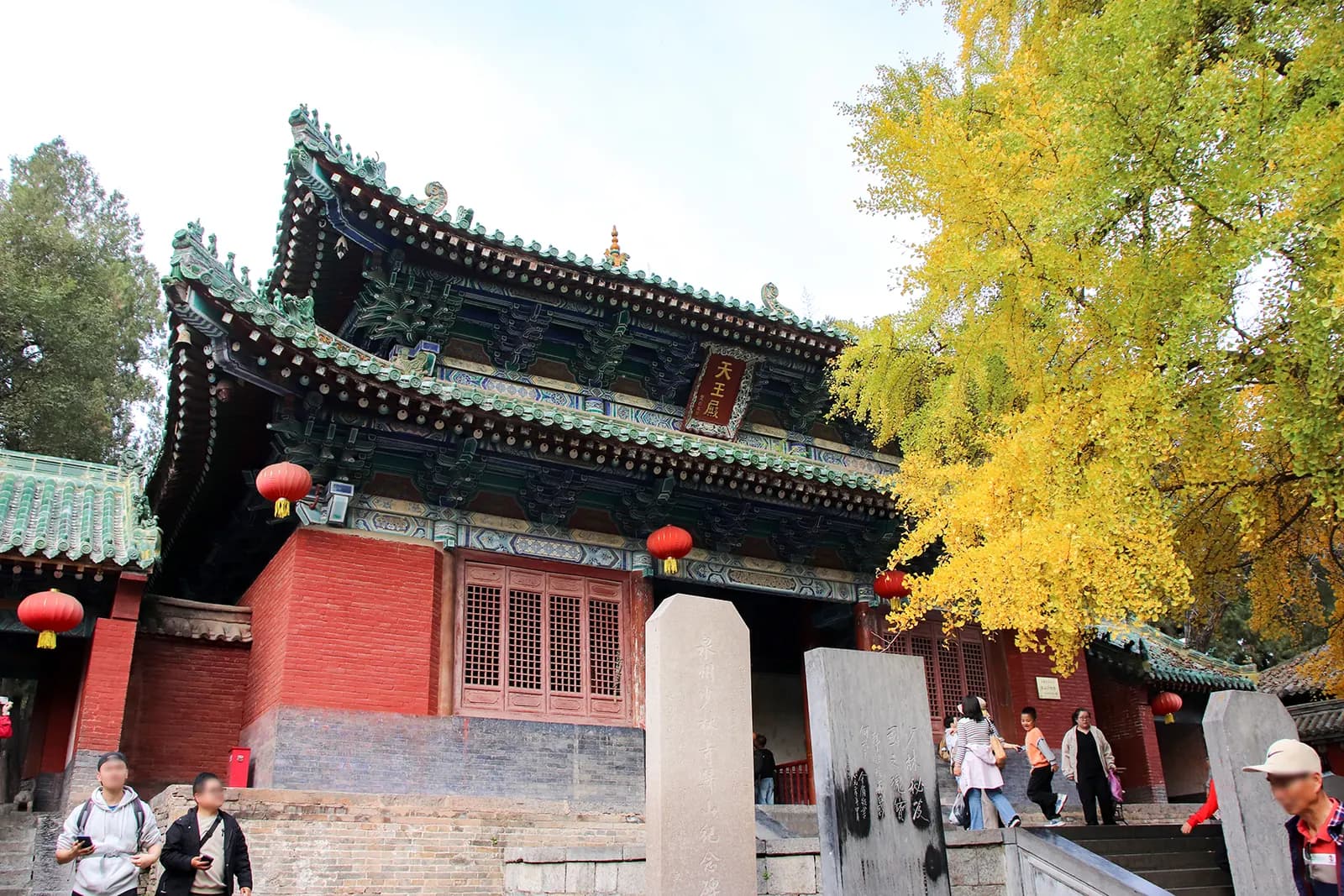
The Hall of Heavenly Kings
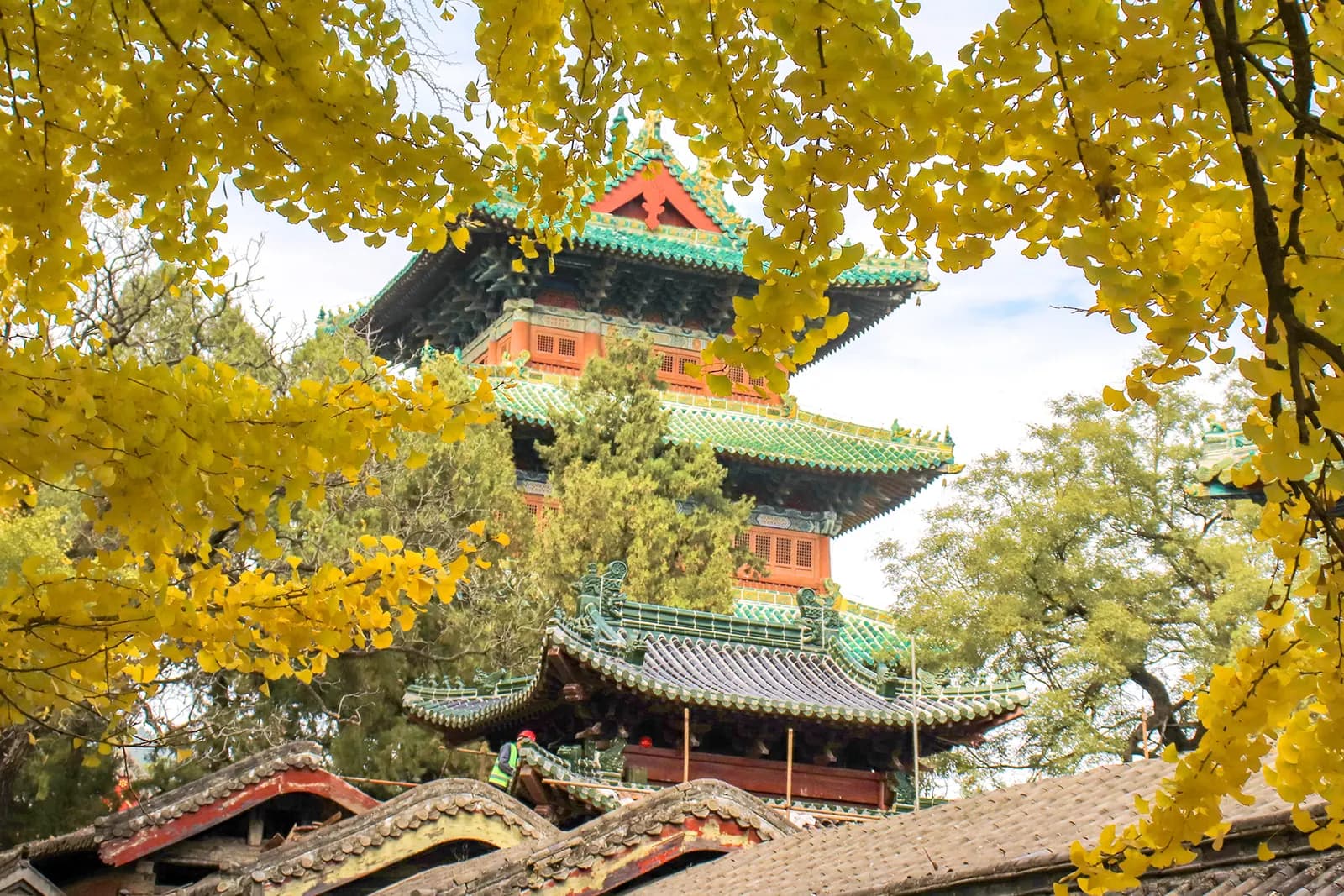
The bell tower behind a ginkgo
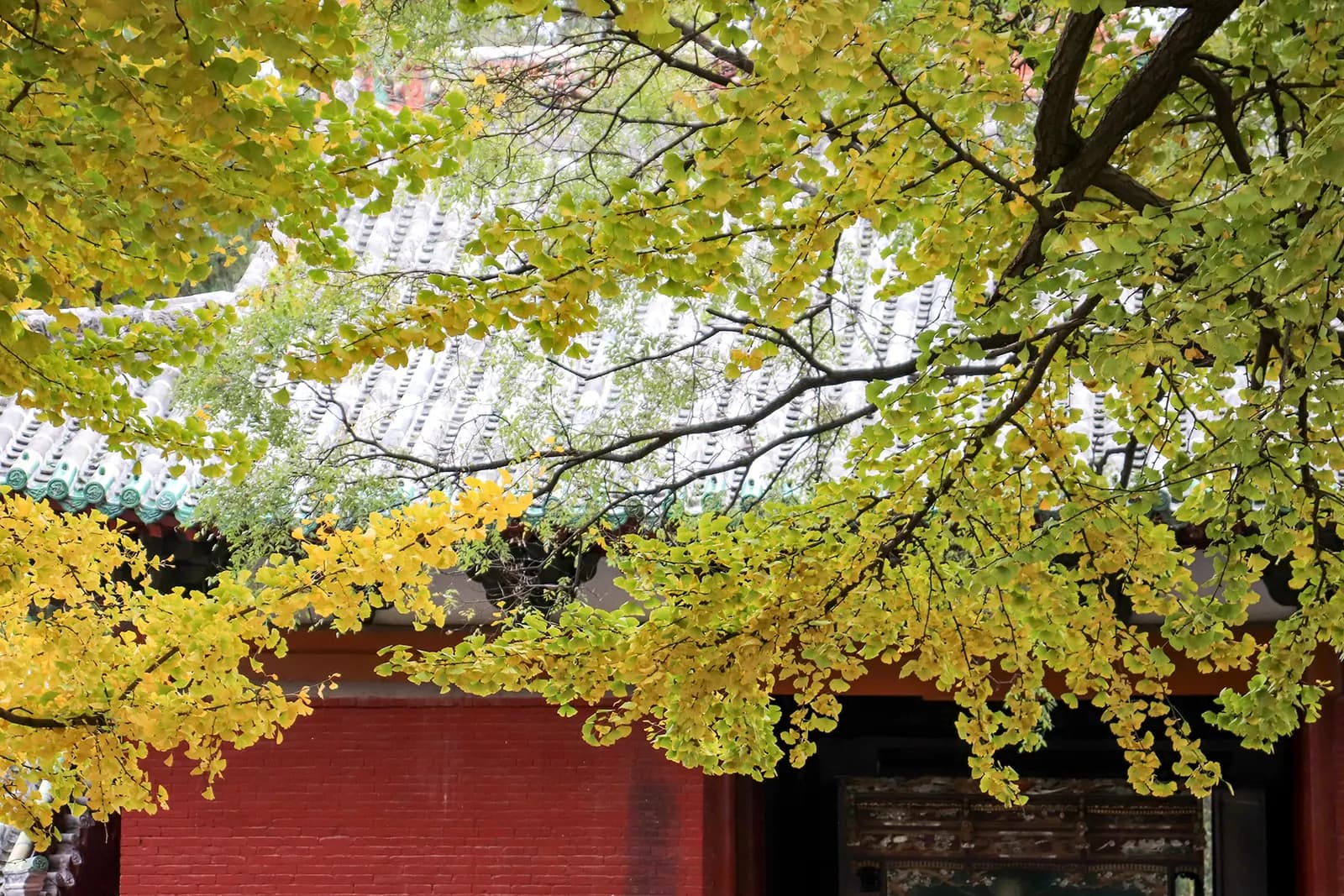
A courtyard of autumn ginkgo
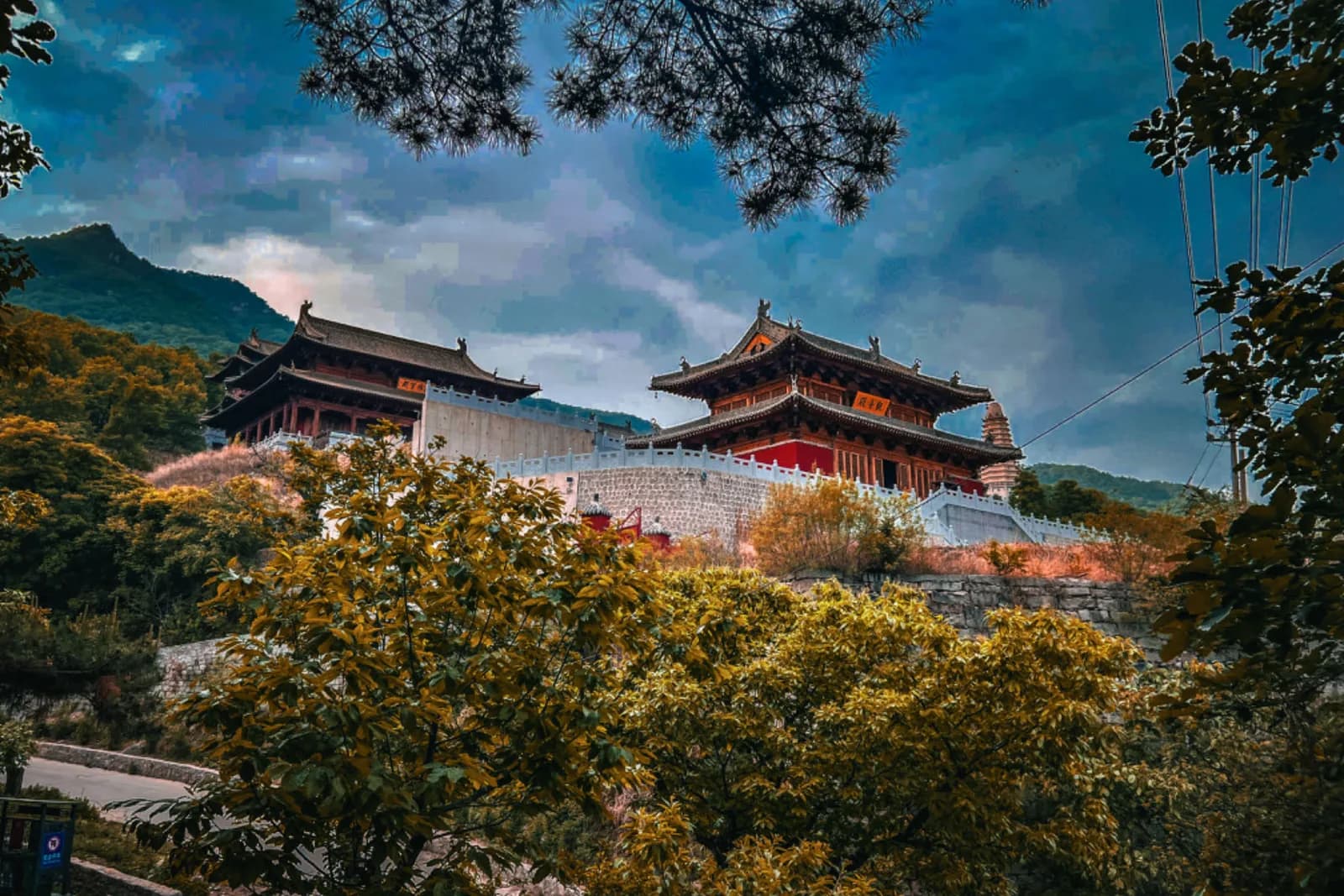
Temple halls framed by trees
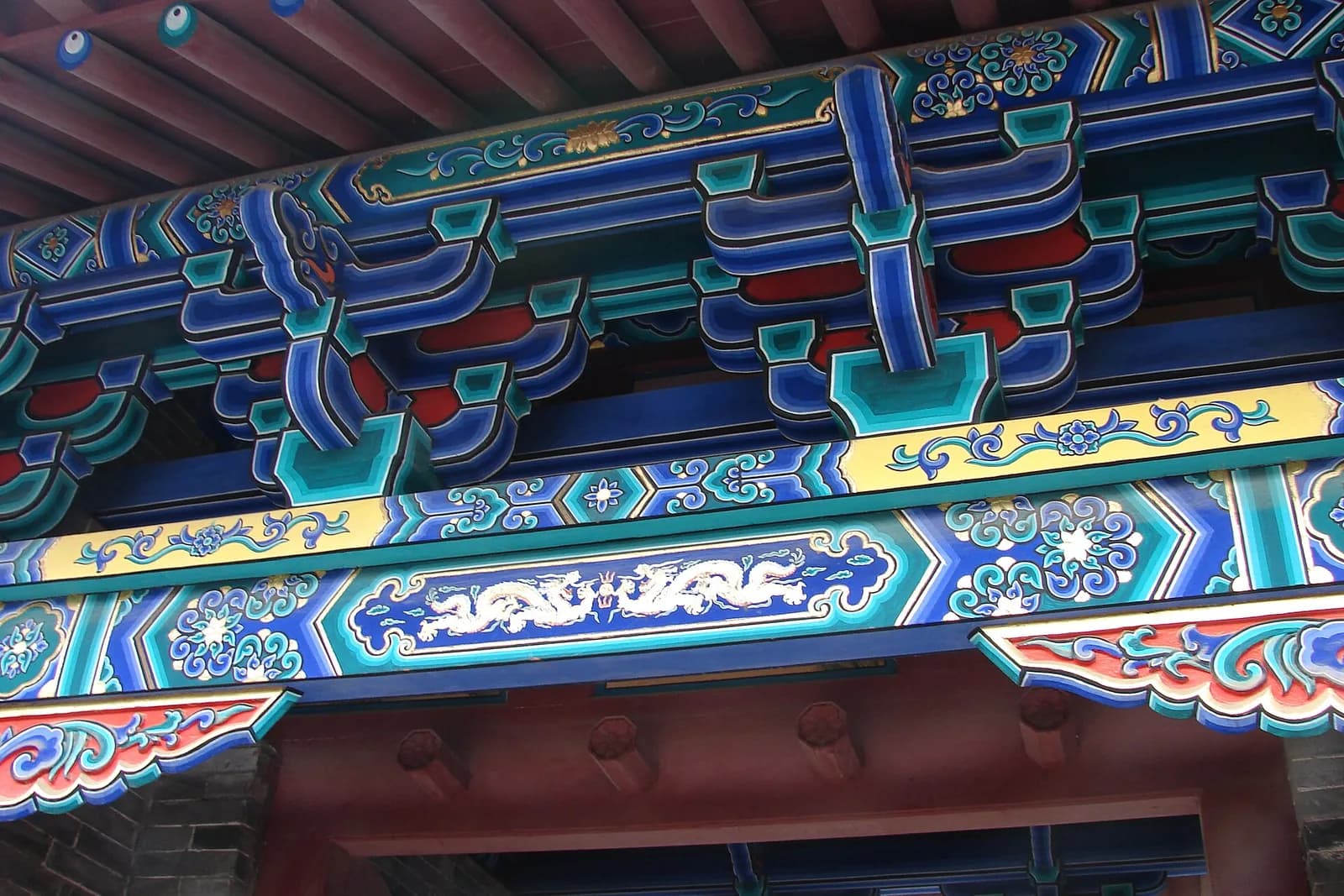
Painted eaves of a temple hall
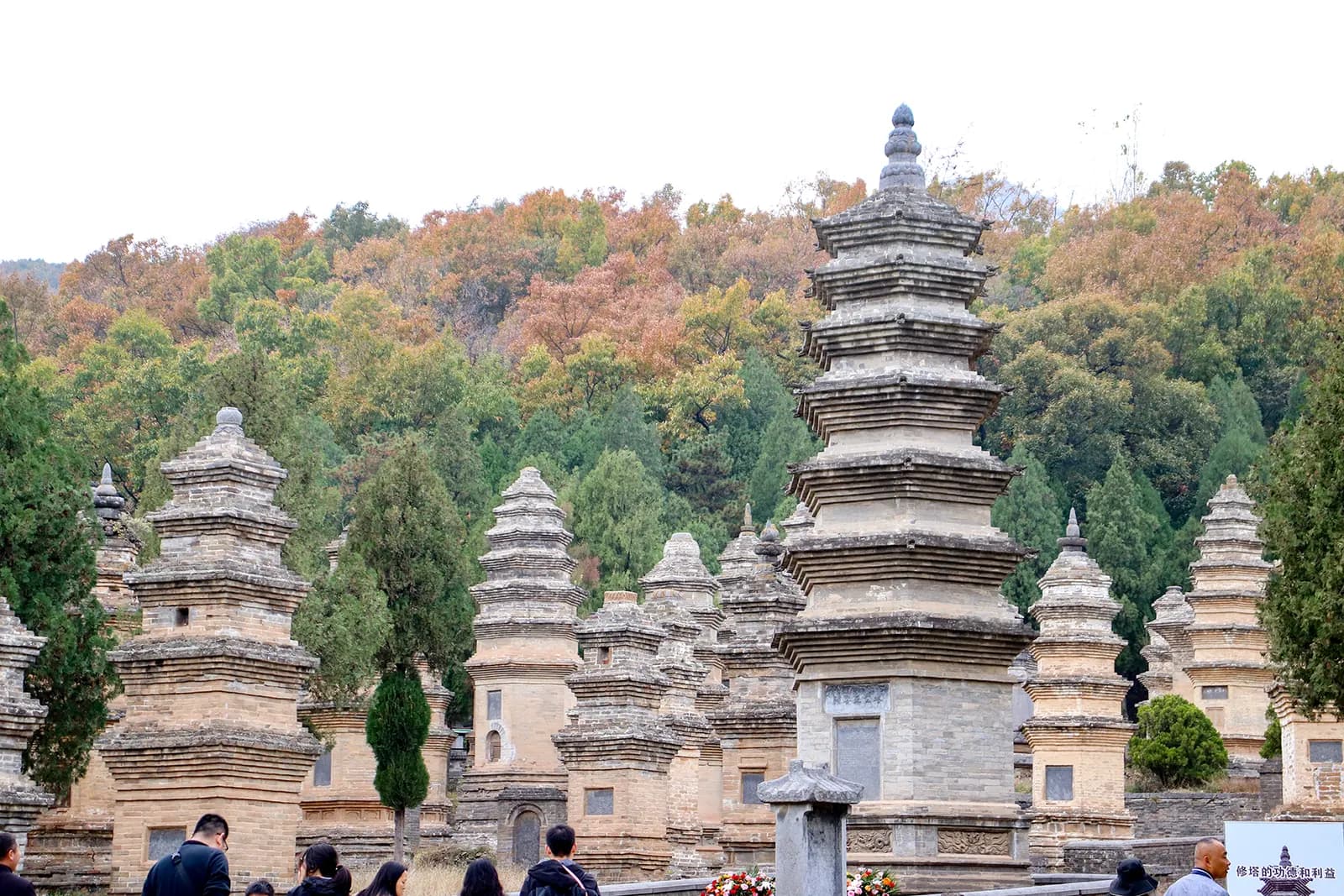
The Pagoda Forest
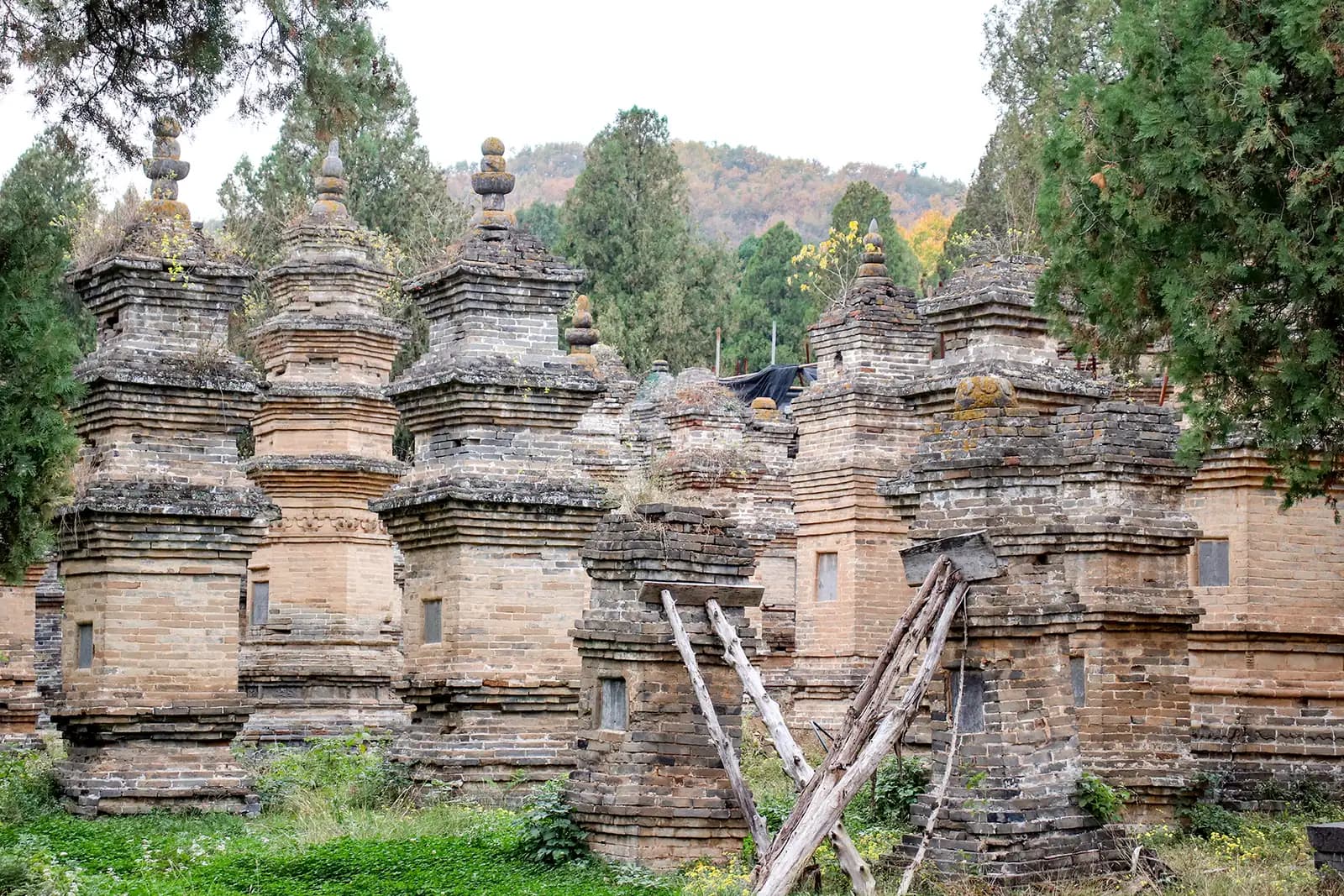
Brick pagodas in the Pagoda Forest
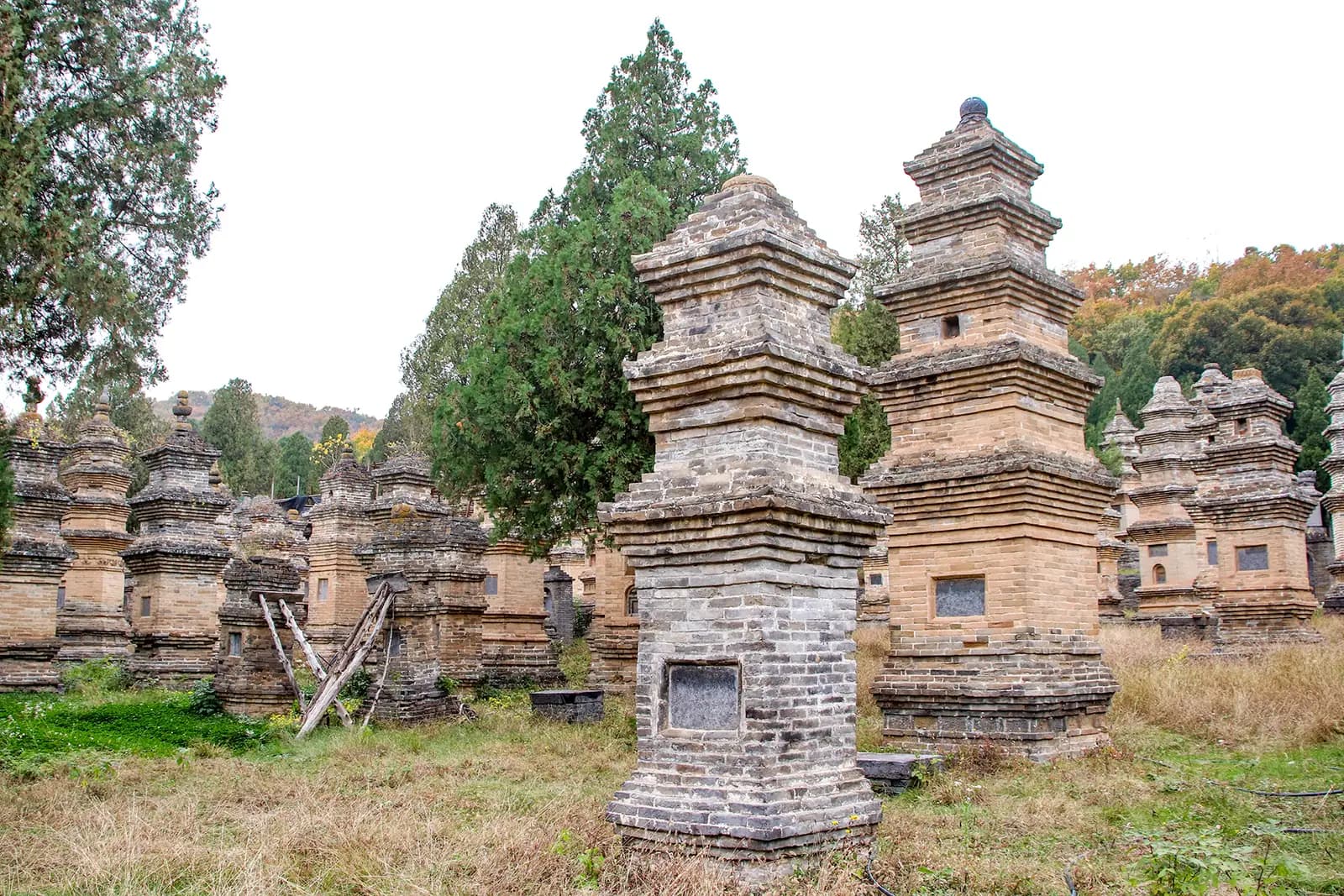
Old pagodas in the Pagoda Forest
تأسس معبد شاولين عام 495 ميلادية في عهد أسرة وي الشمالية، وهو المعبد الأم لبوذية تشان ومهد فنون شاولين القتالية. أُدرجت مجموعة «مركز السماء والأرض» في قائمة التراث العالمي لليونسكو عام 2010.
ما تراه
- المعبد الرئيسي: البوابة، وقاعة ملوك السماء، وقاعة ماهافيرا، وقاعة الألف بوذا على محور واحد.
- غابة الباغودا: أكثر من 240 باغودا من الطوب والحجر من عهد تانغ إلى تشينغ.
- فنون شاولين القتالية: عروض يومية، ويمكن ترتيب جلسات تعريفية مسبقًا.
- سان هوانغ تشاي: مسار جبلي على السفح الغربي، ويستحق يومًا منفصلًا.
ملاحظات عملية
المعبد مكان عبادة فعّال: بنطال طويل ولباس محتشم، ويُمنع التصوير داخل القاعات. الزيارة مزدحمة في نهاية الأسبوع؛ ابدأ قبل الثامنة صباحًا. تستغرق زيارة المعبد وغابة الباغودا نحو ثلاث إلى أربع ساعات سيرًا.